A New Mexico Mystery Review: Jemez Spring by Rudolfo Anaya

I wish I could say that Jemez Spring was as good as the rest of the series, but it’s not. I had to finish it because it wraps up the Sonny Baca series, but it doesn’t do the story cycle justice. Even Sonny himself is not as strong a character. He becomes something between a caricature and an archetype. I almost stopped reading early on, when Sonny—a private investigator—and a police detective are in the presence of the murder victim who died in a hot spring bath at Jemez Springs, and they derisively discuss the size of the dead man’s penis. At that point, I no longer liked Sonny. I thought, why is this episode here?

His girlfriend, Rita, was always simply an archetypal female ideal with no depth. None of the women in this book have any dimensionality except Naomi, the Jemez Pueblo potter. She has a personality. She’s original. I love it when she gets in Sonny’s truck and says, “You got spirits in this truck?” (One of the strongest characters is the ghost of Sonny’s late neighbor don Eliseo, riding in Sonny’s truck and giving him advice.) But like other women in the book, Naomi is an object of desire. The power players are all men, unless I slept through a scene that breaks that pattern

Between each important event, there are often three pages of digression on New Mexico politics, history, culture, and food, beautiful descriptions of the land, excessive backstory, discussions of whether or not dogs dream, and reflections on mythology. These side trips are masterful word craft and some could make good essays collected outside of a novel, but keeping track of the plot took patience.

The final confrontation between Sonny and Raven is in an intriguing setting and has some mystical moments, but it’s also full of philosophical discussion at a point when it deflates the tension instead of escalating it.

The outcome of the ongoing threat with the bomb made me feel as if the author had written himself into a corner and couldn’t get out of it, so he wrote it away into a trick. That’s almost as bad as “it was all a dream.”  I found flashes of delight in certain settings, good lines, and the few good characters, like the Green Indians, but I’m still disappointed in this work by an author whose books I normally love.


Book Ten Progress Report

I’ve been so busy writing the next book that I’ve neglected to write any blog posts. So, what have I accomplished?

I finished the first draft of Mae Martin Book 10 and have completed the first stage of revision—reading without making changes yet, taking notes as if I were critiquing for another writer. This is challenging. I see things I want to change right away, but why fix it if I might end up cutting it?

I grasped the importance of a theme I had doubts about I while I was writing, a theme relating to Mae, to Jamie, and non-ordinary spiritual experiences. It’s funny, but writing a paranormal mystery series, I sometimes pull back and ask myself, “Was that too paranormal?” But then I read through the work in progress and think, “That’s the best part.”

The book doesn’t have a title yet, but I’m leaning toward Wounded Healer. Here’s my first draft of the blurb:

Birdwatching, blackmail, and out-of-body travel.

A letter from Nashville gives Mae Martin hope that it’s safe to recover her psychic gift. The healing process is precarious and strange, but it’s also urgent. A friend’s two elderly dogs are lost, and another friend’s former lover has vanished. Spirit medium Azure Skye hasn’t seen her son’s father for twenty-one years. Then she hears his voice. Only the dead speak to her that way.

To learn his fate, Mae pushes her limits as a healer and seer, entering aspects of the spirit world she never knew existed—some beautiful, some dangerous. Will she find the missing man alive? What will his enemies do to stop her? And what will the effort cost?

*****

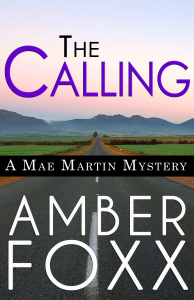
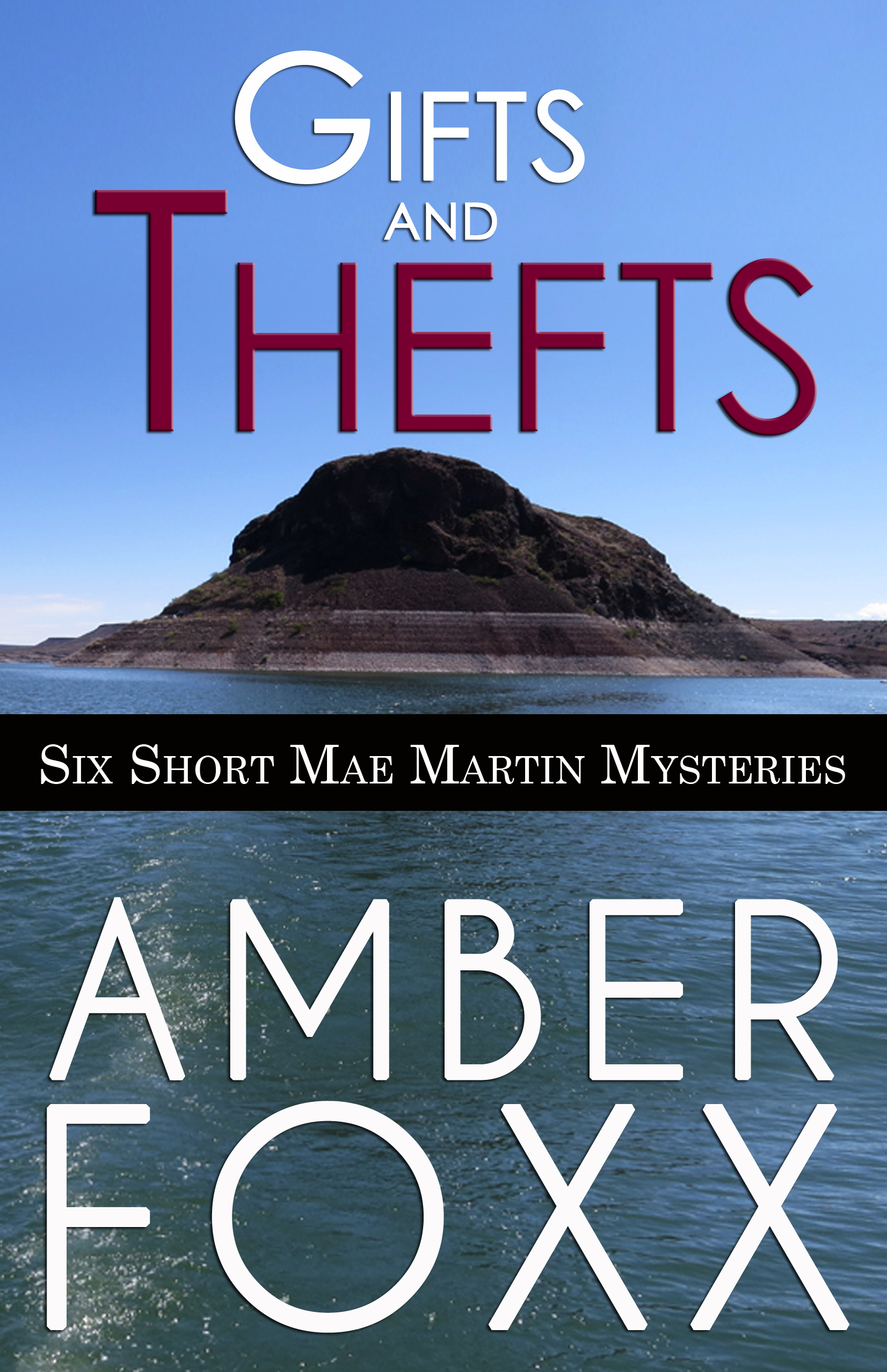
Prices on the whole series remain low on all e-book retailers. The Calling and Gifts and Thefts are $2.99 each, and the other books $3.99.

A New Mexico History Review: The Villista Prisoners by James W. Hurst

The great strength of this book is its emphasis on the ordinary people involved in the international incident at Columbus, New Mexico in 1916. The book is not about Pancho Villa. It’s not about General Pershing. It’s about the men who were captured during Villa’s raid on the small town on the border of New Mexico and Old Mexico. One of the Villistas captured was a twelve-year-old boy. Their stories—how they came to be in Villa’s army, whether or not they knew they were in the United States, whether they wanted to be doing what they were doing—were matters of controversy at the time.

The author is an excellent historical detective, learning everything about these men that he could. Many of were illiterate conscripts who had been forced into Villa’s army; others had joined because they feared the army of his opponent, Mexican President Carranza. They didn’t want to be at war at all, though, and this issue came up in their trials, as did other questions Could the governor of New Mexico pardon them? Shouldn’t unwilling, illiterate conscripts be considered innocent? But there was a precedent set in both the United States and in Scotland that a soldier who follows an illegal order is still guilty of a crime.

I will not tell you how everything turned out them through the twists and turns of their of their trials. The book starts with the raid, not from the point of view of the leaders, but of the town’s people. And it ends with the fate of equally ordinary people entangled in international and national matters. I recommend this book if you have an interest in history and like to understand not only what happened and why, but who was involved and how they were affected.


The Back Room at Black Cat Books

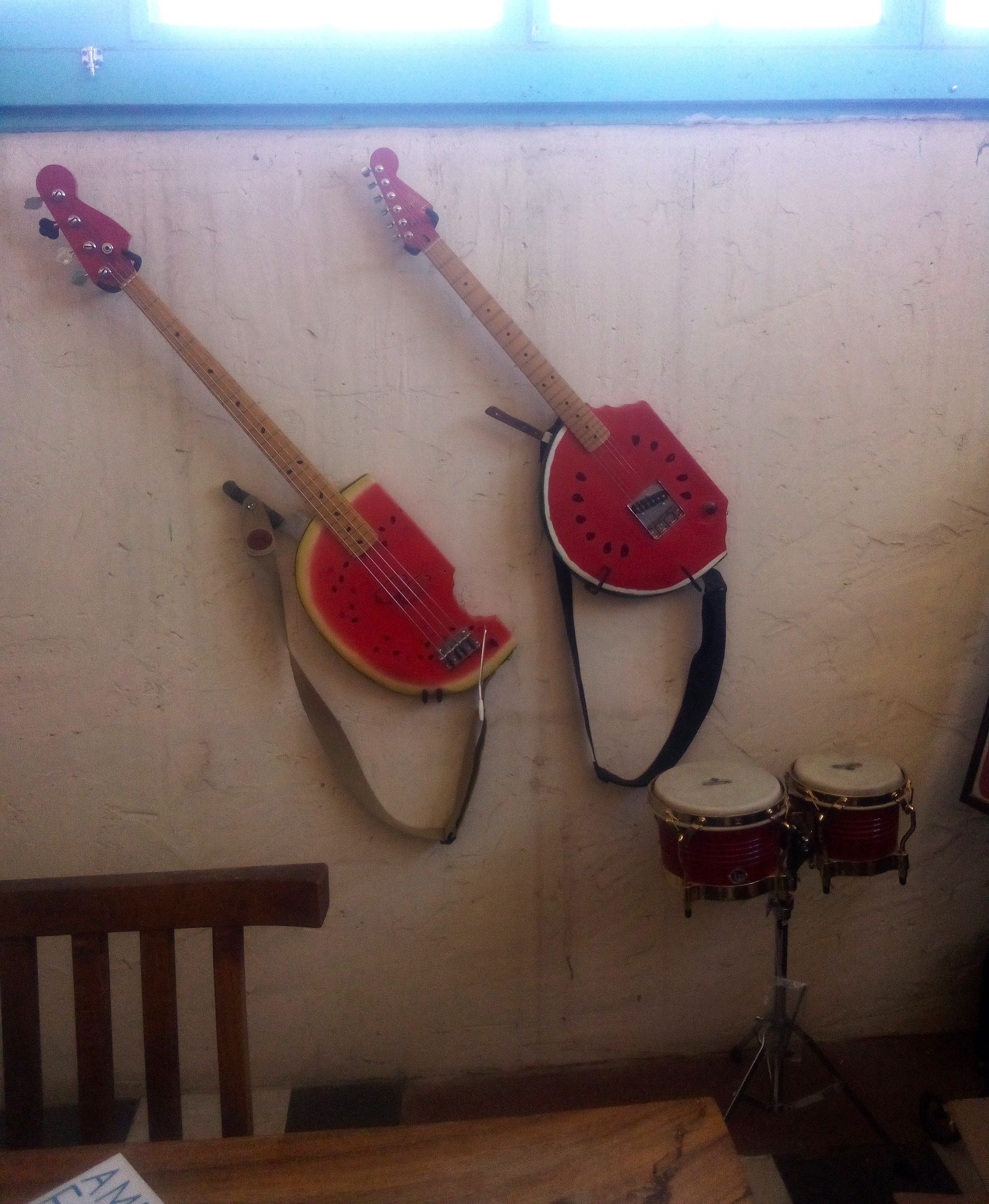
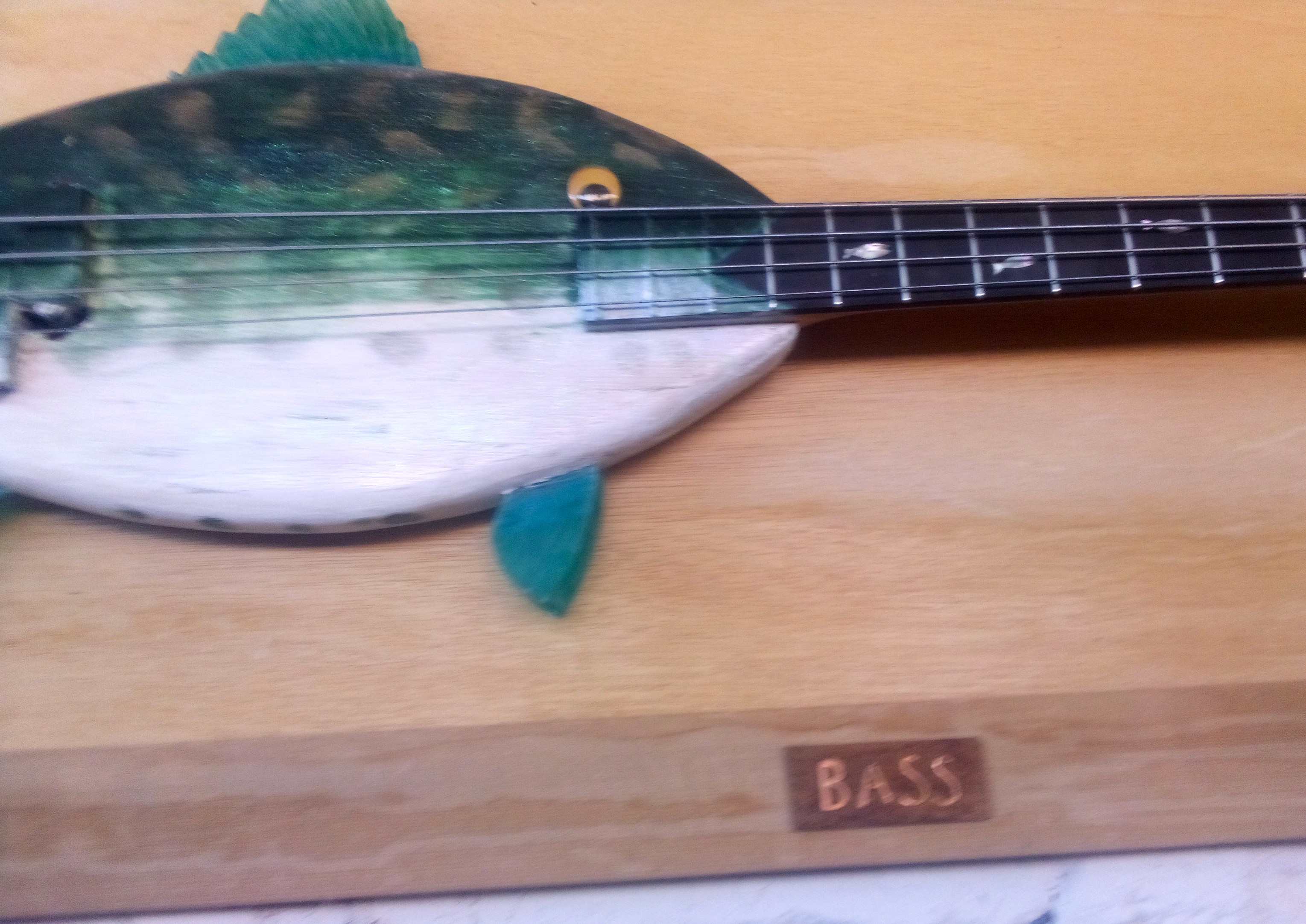
On April 26, Independent Bookstore Day, I had the pleasure of doing a reading and signing at Black Cat Books and Coffee in Truth or Consequences. There were fresh flowers on the table where I was set up in the back room. To my surprise, the room was like a museum honoring a beloved Sierra County musician and luthier, the late Bill Bussman. He and his wife lived out in the middle of nowhere beyond Hillsborough, one of our living ghost towns, but people throughout this area and all over the country knew him because of his musicianship and the instruments he created. He was truly an original—warm and funny with irresistible charm. To learn more, read this article about him and this thread of posts from other musicians acknowledging his passing and sharing their memories of him. One of them mentions him playing the stand-up bass that had an Elvis head and a little red sneaker on its foot that tapped in time to the music. I heard him play that bass many times over the years. The bass wasn’t at Black Cat with me, but a number of his quirkiest creations were: the red chiles, the watermelons, and the bass bass. (Note the knives in the watermelons.)
While I was there, I had the pleasure of meeting fascinating people. Some were buying my books. Some of were there to talk—about my writing, about their writing, about their travels and families, and more. A retired New Age pastor told me about the life she left behind in California and some behind-the-scenes tales of famous spiritual teachers—a bit like something out of one of my books. When people tell me stories, it helps me write stories. And surely, the spirit of Bill Bussman lent light and delight to us all.

Whole Series Price Drop


Book one in the Mae Martin Mystery Series, The Calling, is now $2.99, and the other books are now $3.99. Buy from your favorite store and stock up your e-reader.

Need to keep track of your place in the series? Here’s a guide to the dates and settings and sequence. Follow psychic and healer Mae Martin from North Carolina, where she first discovers her gifts, to her new life in New Mexico. Happy reading!

A New Mexico Mystery Review: Lost Birds by Anne Hillerman

The title refers to Navajo children who were adopted out of the tribe and raised without knowledge of their culture. Joe Leaphorn is hired as a private investigator by such a woman who hopes to find her Navajo family. Another lost bird is a woman nicknamed Songbird, not a lost bird in the sense of an adoptee, but a missing person. She is Leaphorn’s other case, as he’s been hired by her husband. And at the same time, the school where the woman was a music teacher and the husband works as a custodian is struck with an explosion. Bernadette Manuelito is brought in to help investigate.

The weaving of plot threads in this book is extraordinary. Navajo rugs and weaving play an important part—a rug found in the car of the missing woman along with the body of someone who might be her, and a rug in an old photograph that’s a clue to the lost bird, Stella’s, family history.

My sense of the whole book is of a masterpiece of weaving, of stories within the story. There’s the story of Cecil, the custodian, who narrowly escapes the explosion, fearing that someone did it to attack him. He has a terrifying experience, pursued by people to whom he owes money. Then there’s the story of Leaphorn’s beloved friend Louisa and her troubled adult son. When Leaphorn and retired Captain Largo race to be on time for a rescue, I couldn’t stop reading. It’s one of the most intense scenes in a mystery I’ve ever come across.

Though this book is layered with mysteries, chases, and moments of danger, it has none of the clichés, none of the tired tropes, of the mystery genre. It is entirely original.

The characters are, as always, portrayed with great depth. Navajo culture also portrayed with depth and knowledge. The family stories are woven fully into the plot, so you never feel like you’ve gone on a digression. The scenes at a trading post as Leaphorn discovers rugs that may be connected with his client’s Navajo family are quiet but profound and beautiful and just as absorbing as the more intense sections.

I was stunned by the end. I never would have thought that particular person had done that particular crime, and yet, as with any good mystery, it all makes sense.

It was a pleasure to spend so much time with Joe Leaphorn. He’s a character that Tony Hillerman wrote with insight, and Anne Hillerman has gotten to know Leaphorn equally well. I look forward to the next book in the series.

It’s back! Santa Claus Checks in at The Fat Buddha Spa

This short story used to be an annual tradition, but I haven’t shared it for quite a few years. It’s an interlude that takes place “offstage” during Snake Face, book three in the Mae Martin series, while Mae is in northeastern North Carolina over the holidays.

Santa Claus Checks in at the Fat Buddha Spa

             Mae Martin raced her twin stepdaughters to the pasture fence and almost let them win, making it a three-way tie. The llamas looked up from grazing on the dry winter grass, blinking their long lashes. Taking walks to visit the neighbors’ animals had been a favorite pastime for Mae and girls when she’d lived with them. Now, on her first holiday visit after separating from their father, she was trying to keep everything as normal as possible. As the six-year-old girls clambered onto the fence, Brook shouted. “That’s what I want for Christmas. A llama.”

“Are you sure?” Mae picked up a small purple glove from the weeds and put it in her pocket. The late December day was growing warm and both girls had taken off their gloves and hats. “I thought y’all wanted a tarantula.”

“We do, but Miss Jen is scared of spiders.”

Their father’s new girlfriend didn’t share Mae’s appreciation for crawly critters. “She might think a llama was cuter, but I don’t think anybody can afford one right now. You do know your presents come from family, right? Your daddy said y’all don’t believe in Santa anymore.”

“Yeah. We figured it out.” Stream perched on the top rail, swinging her legs. “We watched this TV show with Grampa Jim and Granma Sally about these people who have reindeer in some place near the North Pole.”

“Lapland?”

“Yeah. And those things are big. There’s no way they can fly.”

“What about magic?”

Brook sat beside her sister. They studied Mae as if they felt sorry for her. Poor mama. She’s not caught up with us yet. “Magic is for little kids who can’t figure things out. We’re gonna be bug scientists when we grow up—”

“Nun-uh.” Stream wriggled and sat straighter. “That’s your job. I’m gonna be a race car driver.”

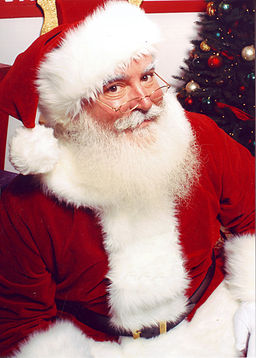
Mae walked up and placed her hands on their knees. She loved their independence and eccentricity, but they could be tactless about how smart they were—like her ex-mother-law—and she needed to take that attitude down a notch. Gently. “Now what in the world is Santa Claus gonna do if all these kids don’t believe in him?”Santa_Claus

Brook frowned, saying he couldn’t do anything if he wasn’t real, but Stream started to laugh. “He’ll pop like a bubble.”

Mae did her best to act serious. “Did you tell your friends there’s no Santa?”

The girls exchanged glances. Brook said, “We got in trouble for it at school. It made some kids cry.”

“It might be hard on ol’ Santa, too. Popping like a bubble. Before you tell any more kids he’s not real, I think I’d better give him a call and see how he’s feeling.” Mae took her cell phone from her jacket pocket and pretended to make a call. She rolled her eyes and sighed as if waiting a long time for an answer.

The girls poked each other and giggled. Stream whispered to her sister, “She can’t call him. She’s making believe.”

Mae raised her eyebrows, giving them the oh yeah? look, and then a triumphant smile as if she’d finally heard a voice. “Well hey, Santa buddy. What’s up? You know Summer Stream and Autumn Brook Ridley don’t believe in you anymore? … Oh. Of course. I can’t surprise you. You know who’s naughty and nice. “

Brook protested, “We weren’t naughty. We told the truth.”

“But did you tell it nice?” Mae turned away, lowering her voice to resume her conversation with Santa. “I hope they didn’t hurt your feelings. They told half the kids in Bertie County, North Carolina—You’re kidding! … So what are you doing now? … Really? Shut up! I live there. I just left for my vacation.” She put her hand over the phone. “You won’t believe it. He’s checked into a spa back in Truth or Consequences, New Mexico. So many kids stopped believing in him, he’s taking this Christmas off.”sign_-_new_mexico_-_truth_or_consequences_-_exit_4892943477

“What’s a spa?”

“It’s sort of like a motel with extra stuff. The ones where I live have hot springs and massages. People go there to relax and get healthy.” She got back to Santa Claus. “Which one? You at the Charles? La Paloma? … I never heard of that one. The Fat Buddha? … Oh. Reckon I wouldn’t see it.”

She explained to the girls, “He’s at a spa for supernatural beings. Regular folks can’t see it.”

Both girls frowned, and Brook asked, “A spa for what?”

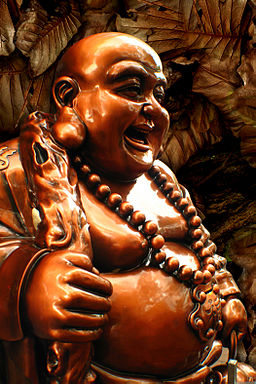
The_Laughing_&_Lucky_Buddha!_A_stroke_of_Luck!_(413428647)    “Supernatural beings. Kinda like ghosts or angels, but not exactly. It’s run by a big fat Buddha. You know who he is?”

Stream nodded. “Granma Sally has his statue on her desk. She says he helps her stay calm when she does taxes.”

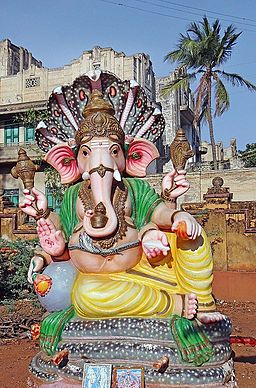
“He’s helping Santa, too. And they’re hanging out with another fat supernatural, Ganesh. He’s this Hindu god with an elephant head.”

“An elephant head?” Stream whooped.

Brook asked, “How come they’re all fat?”Ganesh_2

Mae repeated the question to Santa and listened while she worked on an answer.

“He says it’s because they’re supernatural. They don’t have to be in shape to be healthy. Ganesh …” She had to stop and think again. Her neighbors in T or C were into yoga and they had a Ganesh poster in their living room. Finding it strange but beautiful, she’d asked Kenny to explain it. “Ganesh is fat but he’s big and strong, too. People call him the remover of obstacles. Like an elephant can pull a fallen tree off a road but a human can’t.”

Stream looked skeptical. “Do people believe in the elephant-head guy? Like they believe in Santa?”

“Some do, but a lot of people just believe in what they all stand for. Like being generous and happy and enjoying life. Santa says they’re hanging out in the hot spring together and these other guys helped him with something he was worried about. So, you did him a favor, giving him a vacation, but he wants to go back to work next year, and he’ll need kids to believe in him again.”

“We can’t make them.”

“No—but you can keep it to yourselves if some new believers come along. You know why he wants to go back to work?”

Brook asked, “Does he get paid a lot?”

“No—he does it to be kind. And this is what those other fat dudes at the spa told him. He’s been too generous. See, they don’t get as carried away with their roles as he does. They help people by changing their lives, not giving stuff. He’s been giving people way too much expensive stuff, and they’re starting to think Christmas is about getting big, fancy gifts. So next year, he’s gonna cut back. Give stuff that means more and costs less.”

Mae took a deep breath and let it out. She hadn’t known she was going to say that. But as a college student with a part-time job and not much cash, she’d had to buy small gifts this year—child-sized team T-shirts for the College of the Rio Grande Tarantulas and a pair of stuffed toy versions of the mascot. She’d wanted to do more, but the trip east had cost all she could spare, and yet she didn’t want the girls to think she loved them less because she didn’t live with them anymore.

“Like when we make you presents,” Brook said.

“Exactly.” Mae smiled in relief.

“Good,” said Stream, “because we—”

Brook dug a fist into her sister’s arm. “Sh. You can’t tell her.”

“That’s right.” Mae put her phone in her jacket pocket. “Being surprised is part of the fun.”

The girls stared at her pocket. “Mama,” Brook said, “That was rude. You hung up on Santa without saying goodbye.”

“Oops. Look like I’ve been naughty, too. Good thing he’s taking the year off.”

*****

Book one in the Mae Martin Series, The Calling, is on sale for 99 cents through the end of December.

A New Mexico History Review: Deming, New Mexico’s Camp Cody, a World War One Training Camp

This history is detailed and yet never dull. Jim Eckles is a great storyteller, bringing the camp and the town to life through the unique experiences of individuals who trained there. The eventual demolition—the complete vanishing—of this camp in Deming is as interesting as how it came into being. When I told an old friend, a Korean War veteran, about this book, he said that his father—from upstate New York— had trained at Camp Cody when he volunteered for WWI. In numerous visits to Deming. I’d never heard of the camp, so I was intrigued when I found this volume at my local bookstore. As a New Mexico history buff, I thoroughly enjoyed every page. The characters make it worth reading, as well as insights I gained about our country’s entry into World War One through this particular aspect of it in a small New Mexico town. Since his father had been at Camp Cody, I passed the book along to Bob, and he said he was surprised how engaging it was. He couldn’t put it down.

Mae Martin Mysteries Sequence and Settings: A Quick Guide to the Series

When reading a long series, it’s helpful to have a list of the titles in order, and reminders of the years and places in which they’re set.

1. The Calling Winter 2009 – Spring 2010 Bertie County, NC and Norfolk and Virginia Beach, VA
2. Shaman’s Blues August 2010 Truth or Consequences and Santa Fe, NM
3. Snake Face December 2010 Las Cruces and Truth or Consequences, NM and a road trip
4. Soul Loss Spring 2011 Elephant Butte, Hatch, Truth or Consequences, and Santa Fe, NM
5. Ghost Sickness Summer 2011 Truth or Consequences and Mescalero, NM
6. Death Omen August – October 2011 Truth or Consequences and Santa Fe, NM and a road trip
7. Shadow Family December 2011 – January 2012 Truth or Consequences and Santa Fe, NM, Bertie County, NC, and a road trip
7.5 Gifts and Thefts Summer 2012 – Spring 2013 Santa Fe, Las Cruces, Truth or Consequences, Mescalero, and Elephant Butte, NM
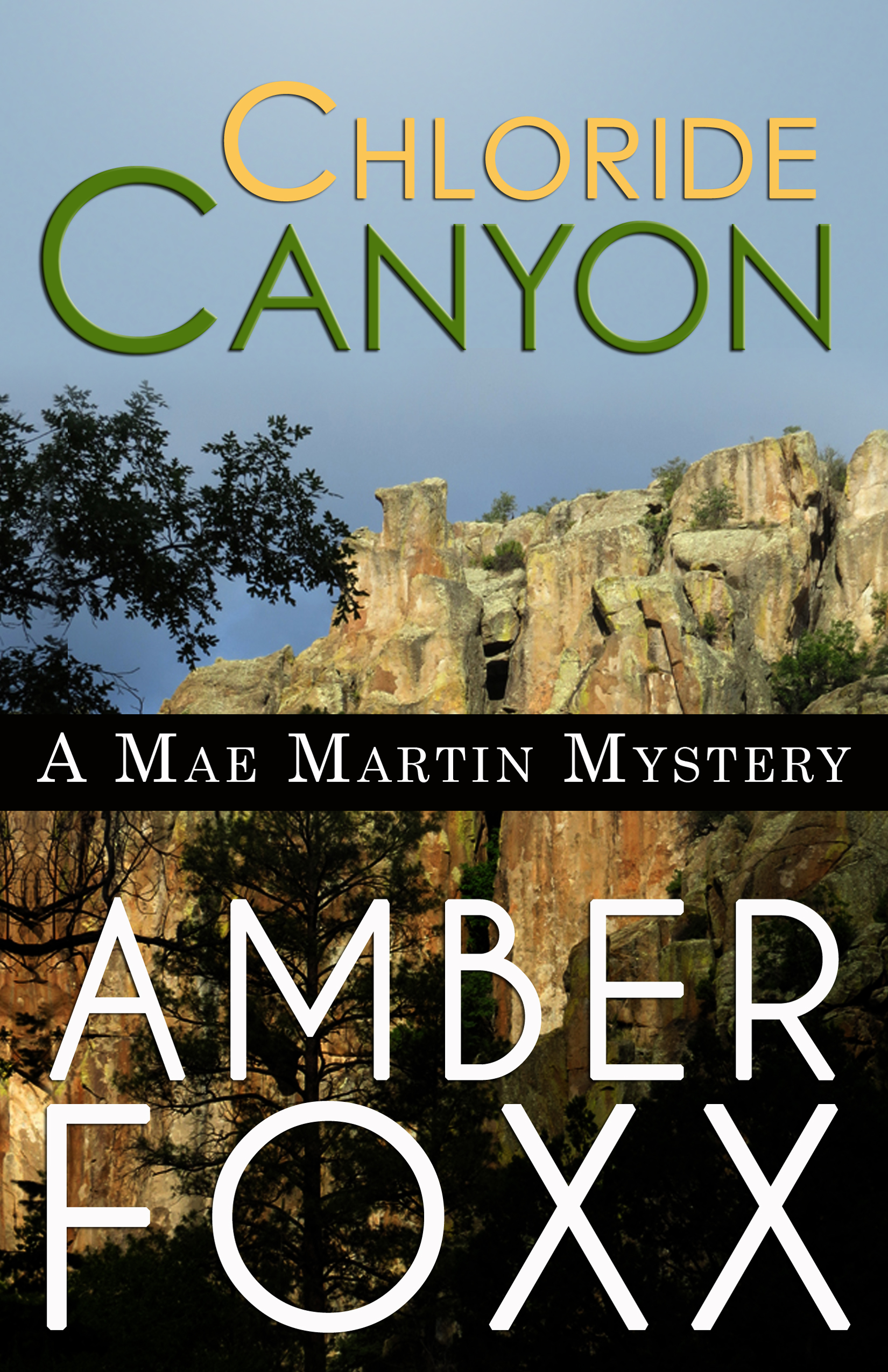
8. Chloride Canyon June 2013 Las Cruces, Truth or Consequences, and Chloride, NM
9. Smoking Mirror August 2013 Truth or Consequences and Santa Fe, NM and coastal Maine

The Miracle of Reading

When I was recently visiting my friend Bob at the New Mexico Veterans’ Home, we found ourselves talking about reading. Not only about the book I’d brought him and why I thought he’d like it, but about reading itself, how amazing it was when we first learned to read as children. He’s eighty-nine and I’m seventy, but we both remember the experience. We marveled at how the transition took place from puzzling over words to reading so fluidly we instantly visualize the story, unaware of looking at little figures on a page and translating them into meaning something.

He recalled being very young, excited to read, and bothering all the adults and older siblings around him, running around with a book asking “What’s that word? What does that word mean?” And I remembered not being able to read yet, and my sister pretending she could read by turning the pages of one of our favorite books and reciting the story from memory. Because we wanted to read. To pass through the gateway to stories.

And yet so many people don’t read. According to a Washington Post article, 46% of Americans didn’t read even one book last year. What they’re missing! For those of us who do read, it’s a daily miracle. If I couldn’t read, I don’t know what I would do with myself. I rely on books for information, for escape, for experience, for insight. I think of a wonderful poem by Truth or Consequences poet Beverly Manley called Why I Read Fiction, written to explain to a friend who didn’t understand. If you can find or order her book, Seasons of the Soul, I recommend it, not only for that poem, but for all of them. The last two lines:
“I read to open my heart, my eyes, my mind
I read to feel connection with all mankind.”