Help Me Pick the Cover Picture

Mae Martin book ten is now with my editor. I’ve even written the back cover copy.

Wounded Healer

The tenth Mae Martin Psychic Mystery

Blackmail, birdwatching, and out-of-body-travel.

A letter from Nashville gives Mae Martin hope that it’s safe to recover her psychic gift. The healing process is precarious, but it’s also urgent. A friend’s two elderly dogs are lost. Another friend’s former lover has vanished. The police think he left intentionally, but would a birder leave without his binoculars? His family fears the worst.

To learn his fate, Mae pushes her limits as a healer and seer, entering aspects of the spirit world she never knew existed—some beautiful, some dangerous. Will she find the missing man alive? Can she stop his enemies from finding him first? And what will the effort cost?

The Mae Martin Series

No murder, just mystery. Every life hides a secret, and love is the deepest mystery of all.

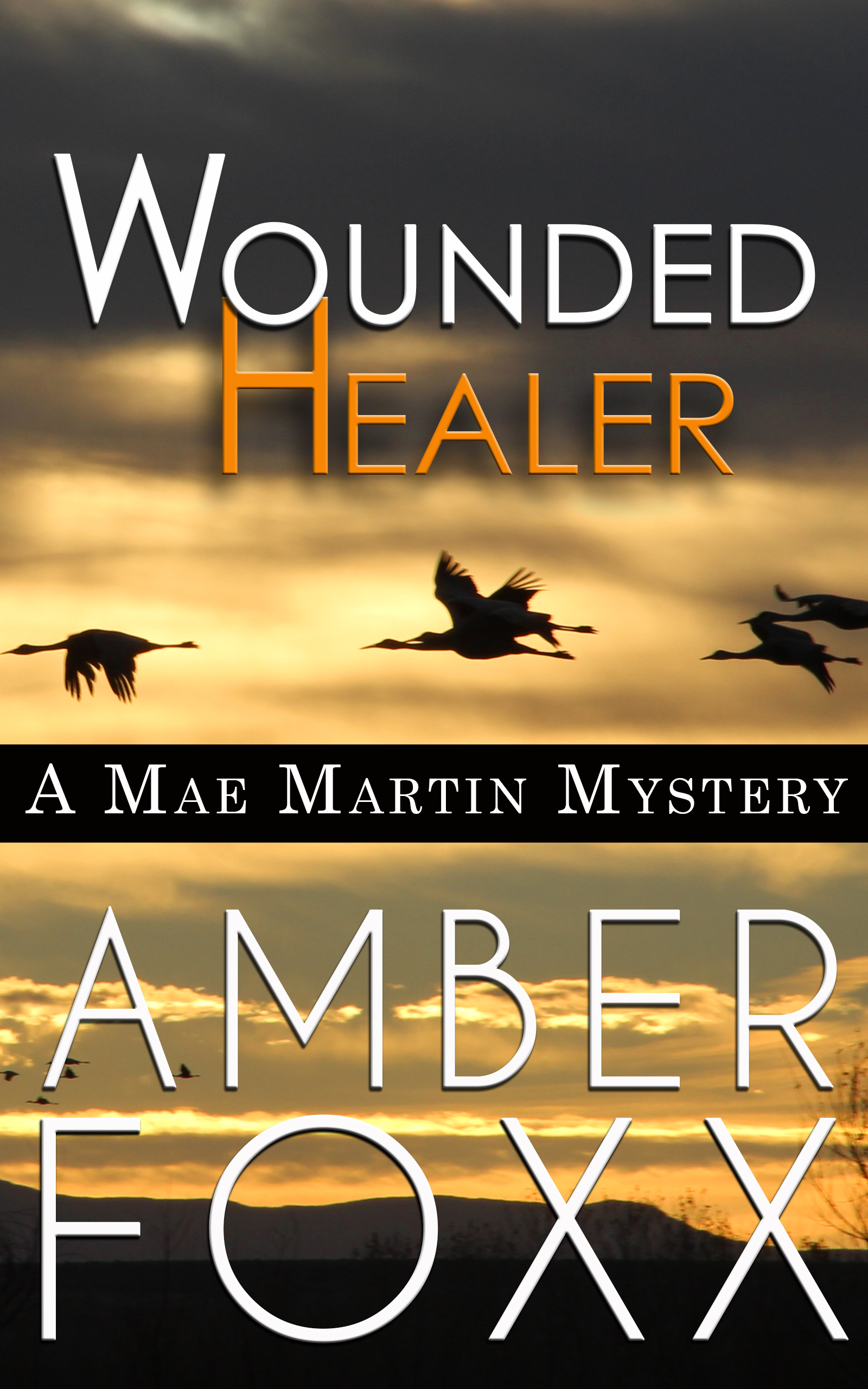
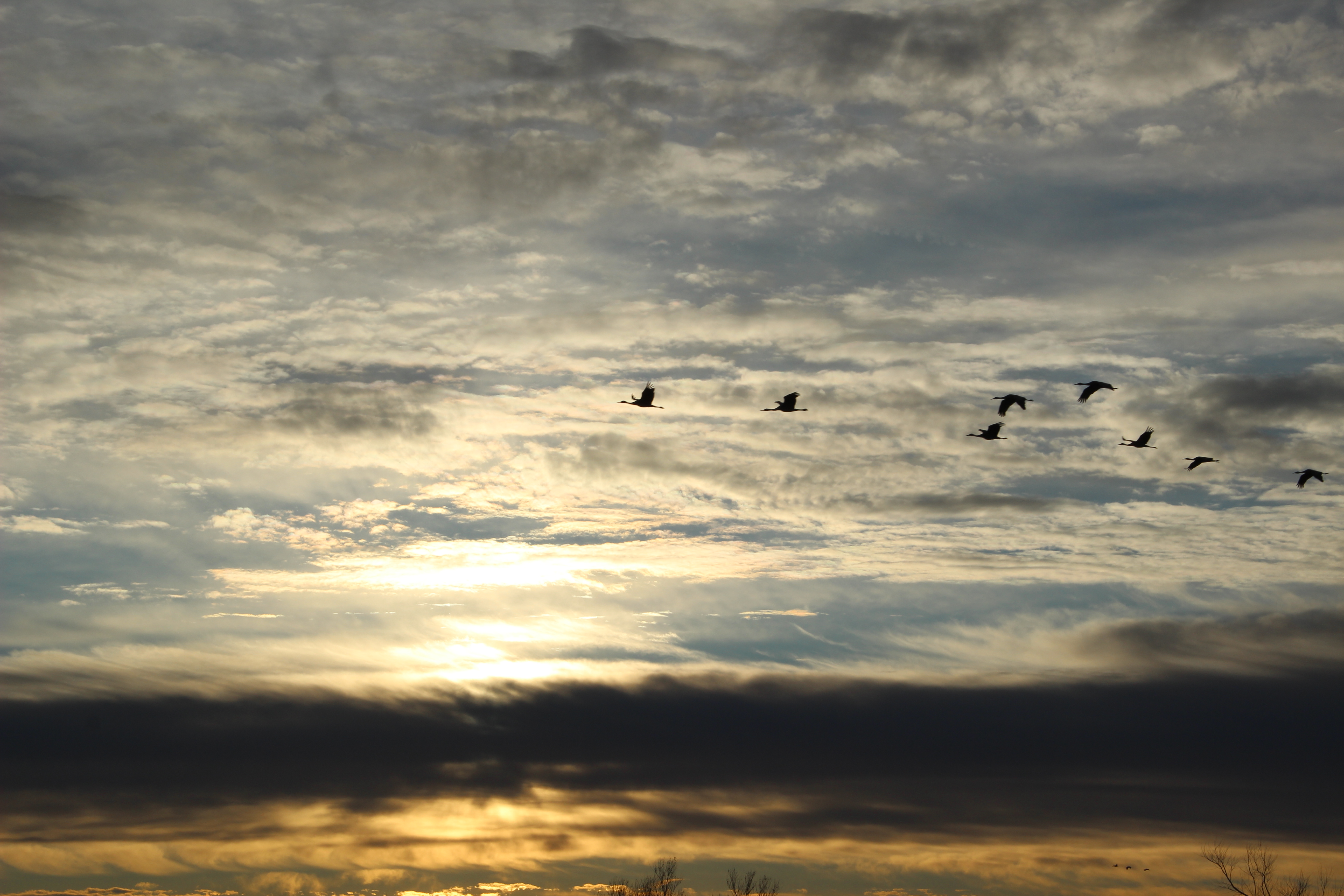
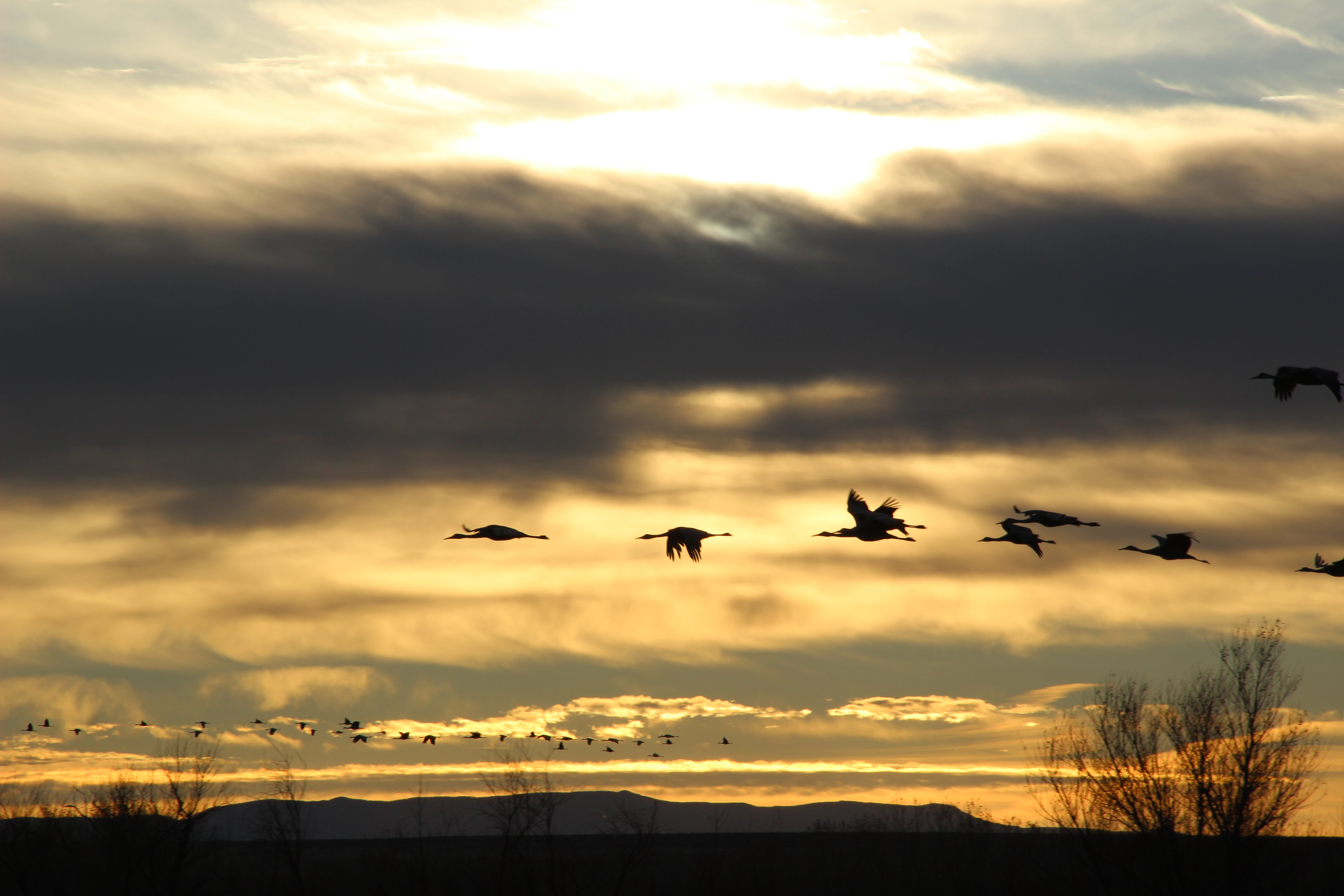
Now, it’s time to choose the cover. I’m fortunate to have a friend who does beautiful photography, Donna Catterick. Her moody shot of Turtleback Mountain graces Shadow Family, her picture of the elephant-shaped formation in Elephant Butte Lake is on the cover of Gifts and Thefts, and the cover of Chloride Canyon is a picture she took in that location. For this book, I needed a scene at the Bosque del Apache Wildlife Refuge, and I needed birds.

I’ve narrowed my options down to these two. Imagine the whole thing wrapping as a paperback cover, and part of it cropped for an eBook. Which image do you prefer? Vote in the comments.

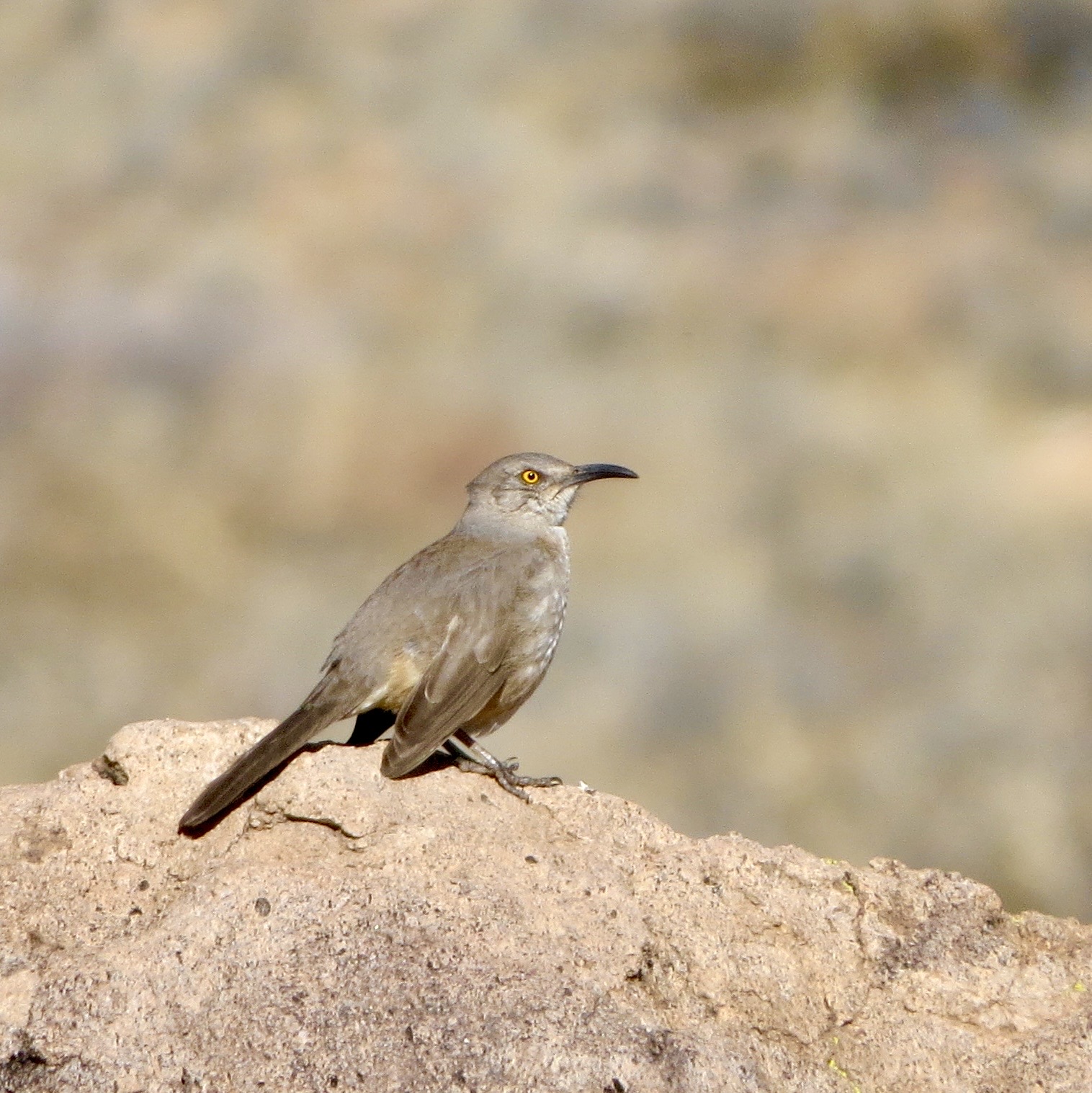
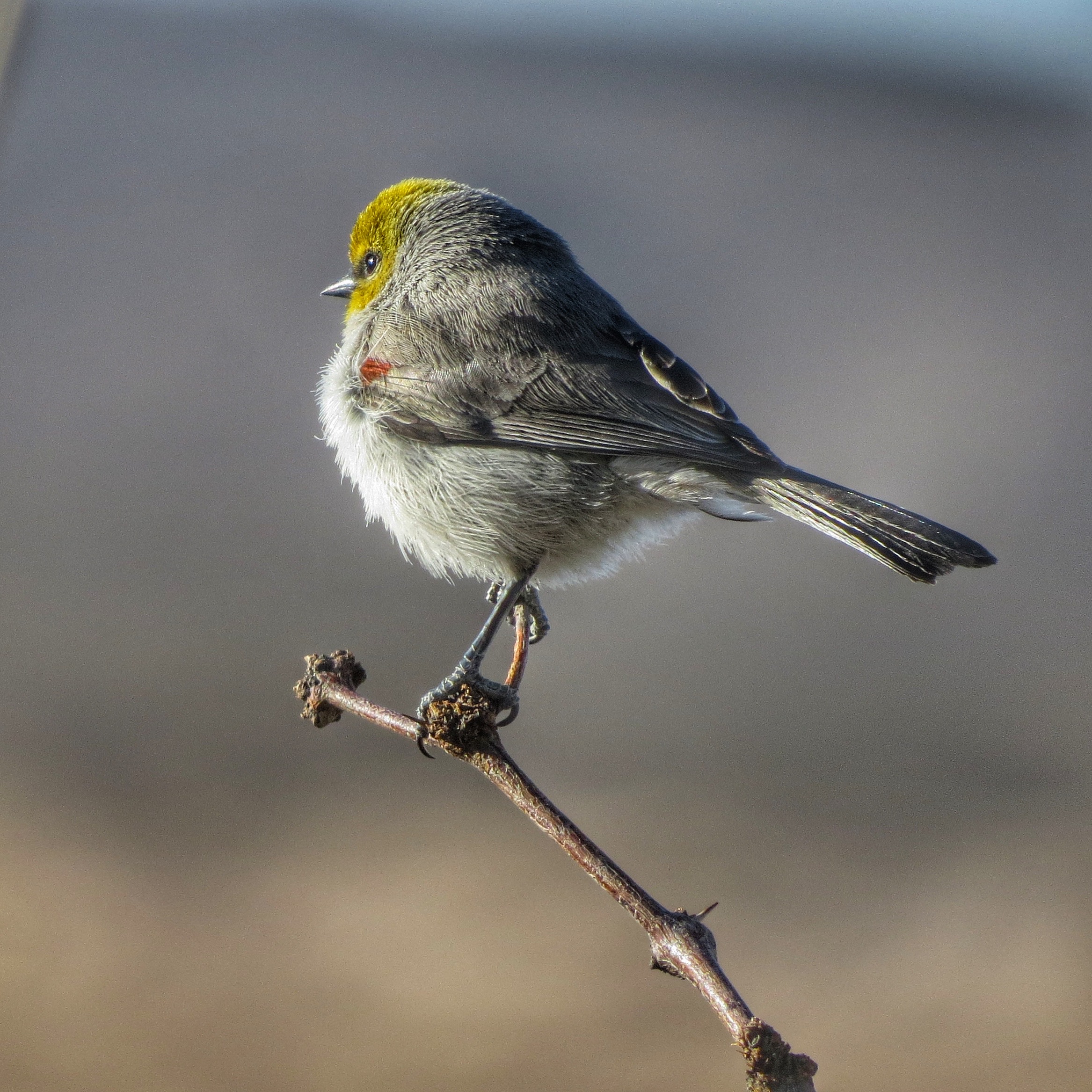
These next pics are bonus material, birds who have roles in the book. The cute little verdin has a cameo, while the curve-billed thrasher gets an action scene.

If you like Donna’s work, follow her photography blog Always Backroads. Before we met, I’d been following it, and she’d been reading my books. If you read my books, you know what Kenny would say. “The Universe lines things up.”


Stillness

The water in Elephant Butte Lake is low. It scarcely resembles a lake. Rattlesnake Island isn’t an island anymore. As you enter the park, the big overhead sign cautions visitors: Low water, put in at your own risk. Not needed—no one is boating. Very few are camping.

Running on my favorite trail felt to strange and hyper-real the other day. I was exquisitely aware of the desert, its wildlife, its scraggly plant life, and rain tracks from a brief monsoon. The land itself it seemed more present to me. Then I realized why. No motors. No radios. No noise. But no joyful human sounds either—no conversations at campsites or children on the playground.

Low water. High temperatures. High gas prices. I cherish the silence, but it also makes me feel a bit like the protagonist in Mary Shelley’s The Last Man wandering through the empty cities of Europe alone, immersed in beauty and wonder in the midst of loss.


On Being a Story Teller

That which is pleasant to live through doesn’t always make a good story. That which is terrible to live through often does. I think I’ve observed on this before, paraphrasing Tolkien’s narrator voice in The Lord of the Rings when he skims over a great deal of pleasant time and moves on to more dangerous adventures.

I was visiting my friend Bob at the New Mexico State Veterans Home. We went out to look at the flowers and the birds on the campus, and a nurse who used to work on his unit came up and hugged him on her way to her car.  Melinda, like Bob, is a raconteur, he enjoyed her turn to tell the tales. As a travel nurse, she’s had some misadventures moving from one job to another.

In one incident in Utah. there was no one else on the road when she hit black ice where she could have gone off the highway into a canyon. Her car spun, hit a guard rail, and all she got was a dent in the car and whiplash in her neck. After she got her car righted and started driving again, other cars suddenly appeared on the highway, and she realized that if she had hit the ice when they were there, all of them would have crashed with her. She said, “I have angels.”

Another time, a semitruck didn’t signal a turn, and she had to turn with it and go off the road into a ravine or get hit and dragged. She bumped around in the ravine, the car didn’t flip, and she drove back out. The trucker didn’t check to see if she was okay, maybe never realizing  what he had done. Horrible to live through. And Bob and I were in rapt attention.

His greatest narratives are war stories. The first time he was in combat. Guarding the DMZ during the early days of the armistice, a nineteen-year-old afraid to make a mistake that could restart the war.  He’s able to create tension and humor in the same moment. The U.S. troops had been instructed not to engage, not to start anything, but to shoot if someone came at them. A few North Korean solders had learned enough English to holler to the Americans, though. Hearing. “What the fuck you doing, Yankee?” followed by giggles made Bob see them as just young guys like him. People he hoped he wouldn’t have to shoot.

Good stories make you worry about the characters, even if you know they survived. Until the end, you don’t know how much damage or loss they endured, and they, of course, didn’t know they would live to tell the tales.

Lost in a Book

After the usual two years of work, I’ve finished the fifth complete draft of the next Mae Martin mystery, tentatively titled Wounded Healer. The mystery centers around a missing birder. The bird in the picture, the desert cardinal, plays a role in the story.

I’m currently going through the manuscript for words I use too often. Most can be cut. Some require revision. I’ve analyzed the plot, the level of tension, the variety in types of scenes, the pacing, the sensory detail, my characters’ process of solving the mystery, and how the red herrings are working. Next, I need to complete the cleanup and send it to my beta readers. They will notice problems and make suggestions, and then I’ll revise it and clean it up yet again. And that’s the status of the book. I’m so fixated on getting it finished that I haven’t been blogging, despite many inspirations for posts. I’ll get around to them once the book is with my betas!


Beauty Sneaks Up on Me

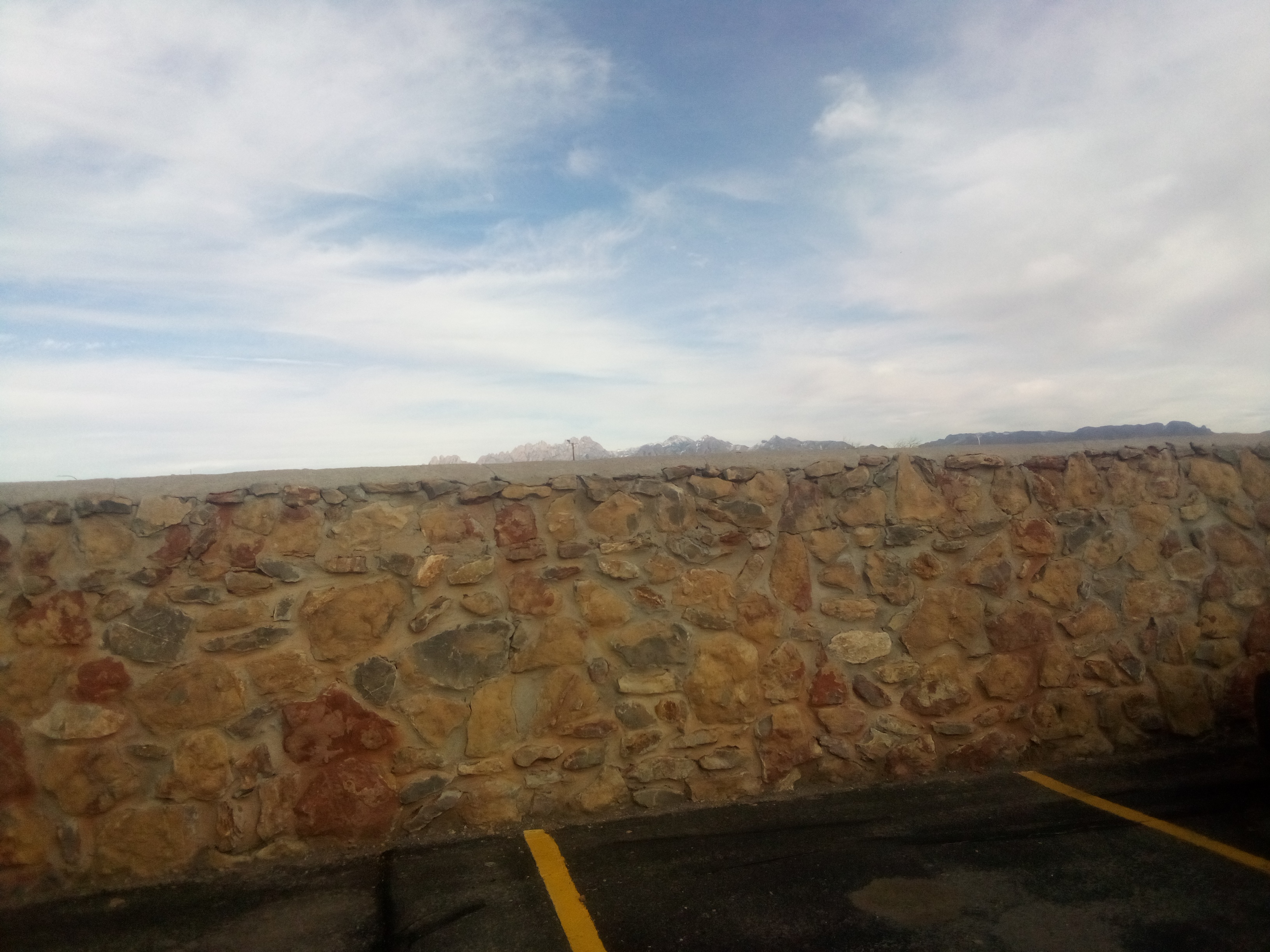
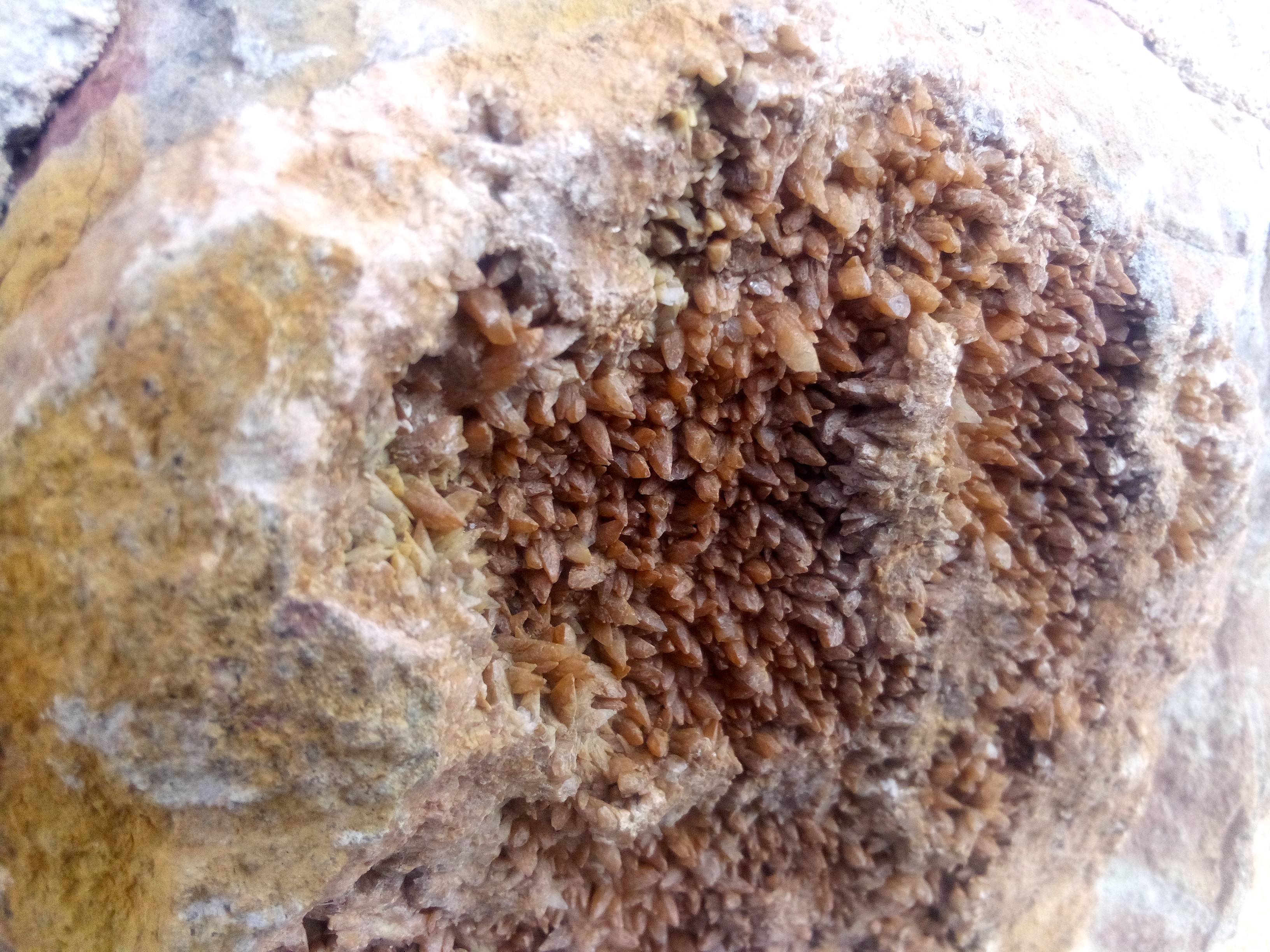
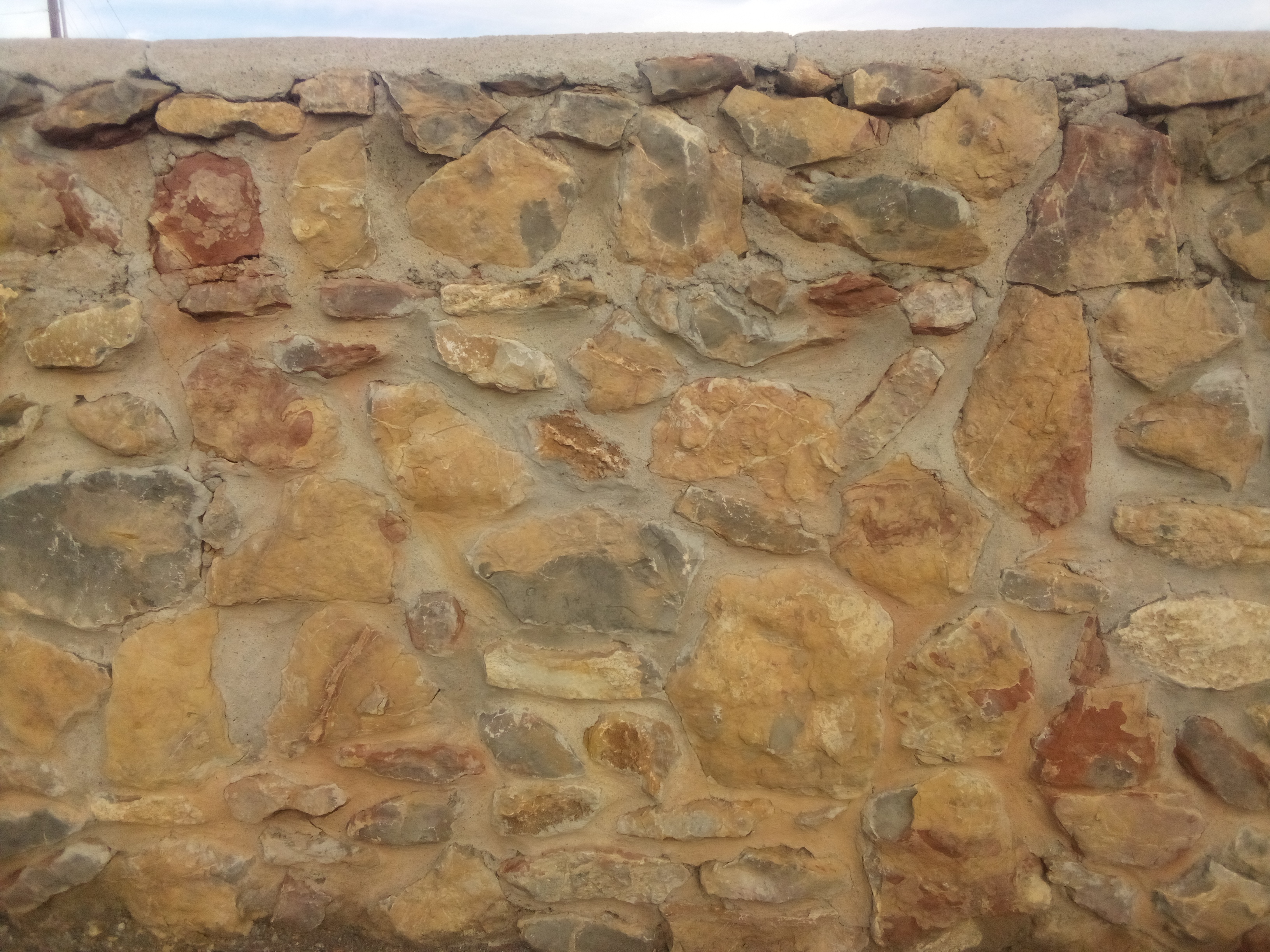
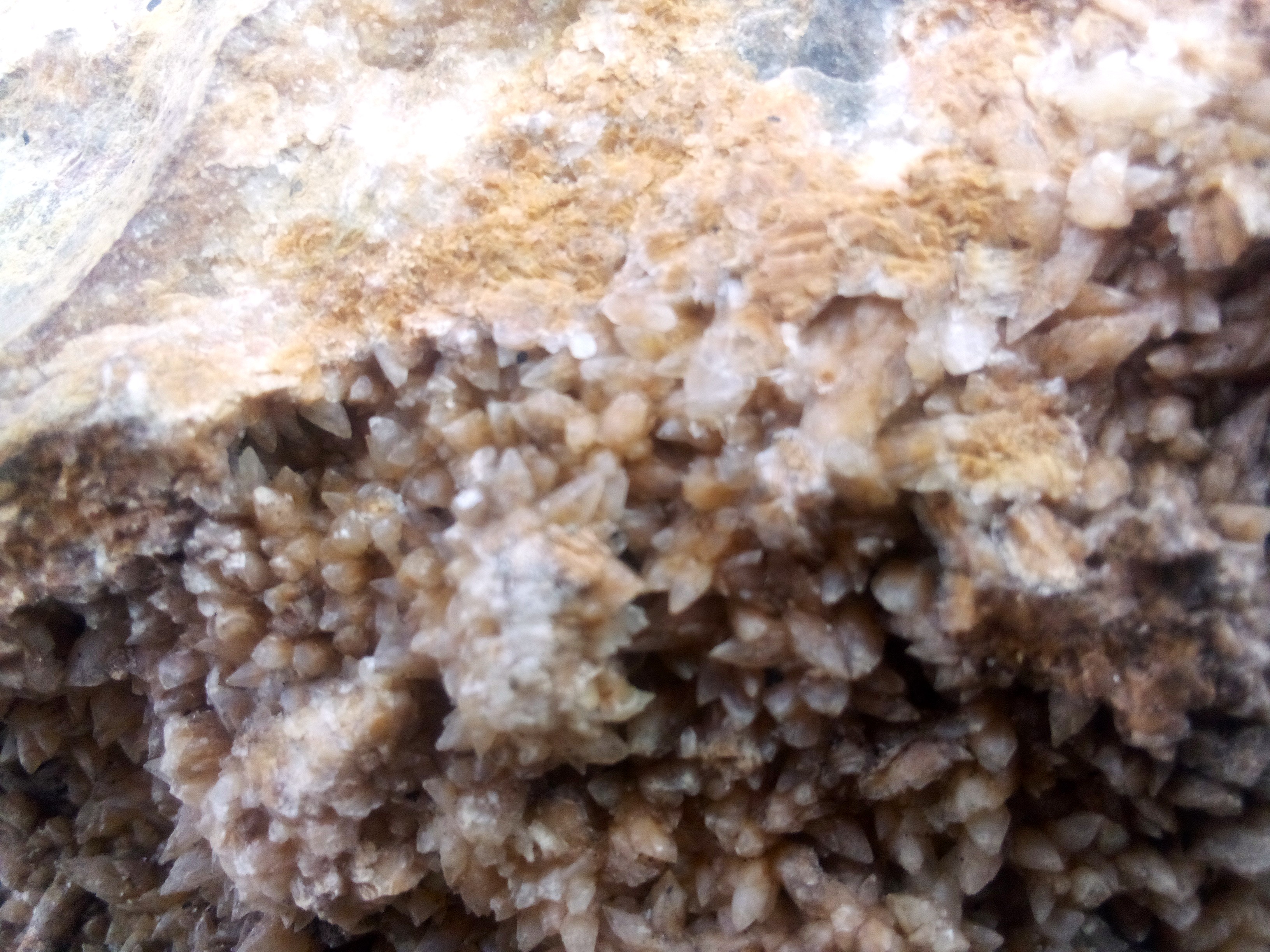
While I waited for my car to have routine maintenance done, I escaped the noise in the waiting room and did my yoga practice next to the stone wall at the far end of the dealership parking lot. The wall gave me the illusion of privacy. I’ve always considered it an ugly wall—cement and random rocks. Then I noticed that some of those random rocks, up close, were full of tiny crystals.

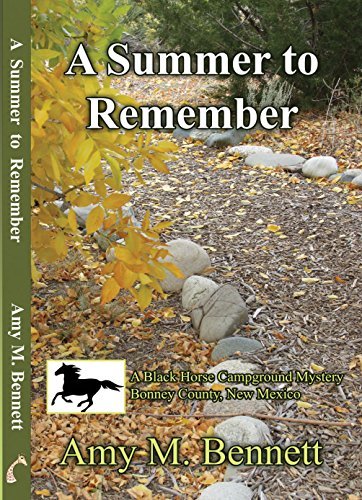
A New Mexico Mystery Author Interview: Amy M. Bennett

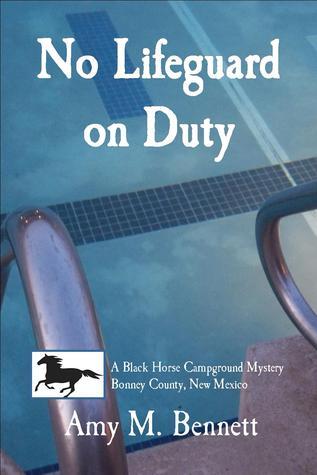
Last week, I reviewed No Lifeguard on Duty, and today I have the pleasure of welcoming the author for an interview.

Bio: Amy M. Bennett, author of the Black Horse Campground mystery series, has worked as a cake decorator, vino-slinger, and retail worker in preparation for writing murder mysteries. She consumes way too much coffee, New Mexico wine, and true crime documentaries to be considered normal, but her husband and son love her anyway. She lives in Bent, New Mexico, and is always thinking about, if not actively writing, the next book.

AF: Were you always a mystery writer, or did you start with another genre? I ask because you have such a knack for the romantic elements in a mystery.

AMB: I have always loved mysteries, ever since I was a kid and grew up reading… The Three Investigators! Yes, you probably thought I was going to say Nancy Drew, but she was unrelatable to me, an awkward pre-teen with no illusions about being a pulled-together “titian-haired” 18-year-old with her own convertible! But three young teenage boys with a secret junkyard headquarters and the use of a vintage limo they won in a jellybean guessing contest? Okay, maybe still far-fetched, but more relatable to me! That’s what I’ve always wanted to do: create characters that are relatable. I tried to write mainstream romance, was even encouraged to write for Harlequin, but the mystery-lover in me kept going back to my roots.

AF: I may be able to guess the answer, but I’d like to hear it from you. Why did you choose a campground as the setting? Your background as professional cake decorator and your work at a winery offer more conventional cozy setting possibilities.

AMB: There are SOOOO many mystery series that are centered around food and wine (restaurants, cafes, bakeries, wineries, etc.) that I wanted to think of some setting that wasn’t overdone. After a camping trip with my husband and son to Silver City (NM) where we stayed in a very well-run KOA Campground, I realized I had my setting. I took a lot of notes on that trip and any subsequent vacation we took where we stayed in a campground. Also, my concern about having “Cabot Cove syndrome” was dispelled in part by the fact that campgrounds allowed my characters to interact with strangers from other places instead of the people they encountered in their day-to-day life, so a wider range of suspects and victims. (Incidentally, I’d have been eyeing Jessica Fletcher with a lot more suspicion with all the bodies dropping dead in Cabot Cove and she being the common denominator!)

AF: Do you have connections in local law enforcement in your area? If so, what did you learn from them? The scenes with the sheriff and deputies feel authentic and natural. You seem comfortable writing about them. If this is all from research, it’s good research.

AMB: I know a few police officers but, believe it or not, I’ve never taken advantage of them to do a “ride along” or an interview or anything like that. Back when NaNoWriMo was in its prime, they had a few forums where experts—law enforcement, legal, medical, etc.—would offer to answer questions about almost everything you could think of, so I did ask a lot of questions there. I also did a lot of research online about questions pertaining specifically to New Mexico law enforcement. Having a very small-town setting helps, because law enforcement is a lot more likely to be involved with the locals than in a big city.

AF: Where do you start when writing a book? Do you begin with a plot premise? A situation into which you put your characters to see what they do? A blank page and inspiration? Something else?

AMB: I started my series with a setting and a vague idea of who my characters were. That, and I knew I wanted to write a mystery! Now that I’ve established my setting and characters, I just say, “Okay, guys, now what?” Sometimes, when in the midst of a book, I get an idea that really doesn’t fit in the story I’m writing, I set it aside for a future book. Then I tell myself to throw that situation at my characters and see where it goes.

AF: What is the greatest challenge for you in writing a series, and what is the greatest satisfaction?

AMB: I had so many people tell me, at first, that they HATED love triangles in a mystery because the reasons were always so dumb. I think I was able to pull off the love triangle in a believable manner but I also knew when it was time to settle it and move on. The challenge is in coming up with a mystery that isn’t too easy to solve but also not so difficult that it confuses the reader. I also have to do better at keeping notes … I’m always having to revise names I’ve already used in previous stories!

AF: Is there anything I should have asked you that I didn’t think of? Answer that missing question.

AMB: I do have a story I love to share, and it has to do with getting recognition for my writing in a most unexpected way! I work for a local winery, Noisy Water, based out of Ruidoso. One of their best-selling and best known wines is a sweet white blend called Jo Mamma’s White. One time, my husband and I were working a wine festival in Tularosa and our booth had big banners advertising our wines and one of them had the Jo Mamma’s label printed on it. A woman was walking up to us excitedly and she said, “Oh, my gosh, IT’S REAL! I can’t believe it’s real! There really IS a Jo Mamma’s wine!” She went on to say, “I read a mystery book where the main character drank a wine called ‘Jo Mamma’s White’ and I honestly thought it was made up! I can’t believe there really is a Jo Mamma’s White!” Well, when I told her that I was the author of the book she read, she got so excited, she bought a bottle of the wine and asked me to sign it for her! I think that was the first time I and my books were better known than my workplace and their wines!

AF: Thank you for a delightful interview!

*****

To learn more about Amy’s books, go to

https://www.amymbennettbooks.com/books


The Holiday Short Story

Here it is! I hope you enjoy it, whether it’s for the first time or the tenth. Happy holidays!

Santa Claus Checks in at the Fat Buddha Spa


A Tail and a Tale: Bob Can Talk His Way Out of Anything

There’s a lot of wildlife we don’t see. The Rio Grande is low right now, making it easy to cross from the empty desert land on the other side. Tracks in the mud from recent rain showed small hooves trotting around on the mesa near Healing Waters Trail where I was running. I’ve never seen a javelina up there, but those were their little pointy feet. No surprise. We expect them around here. A friend sometimes has them in her yard.

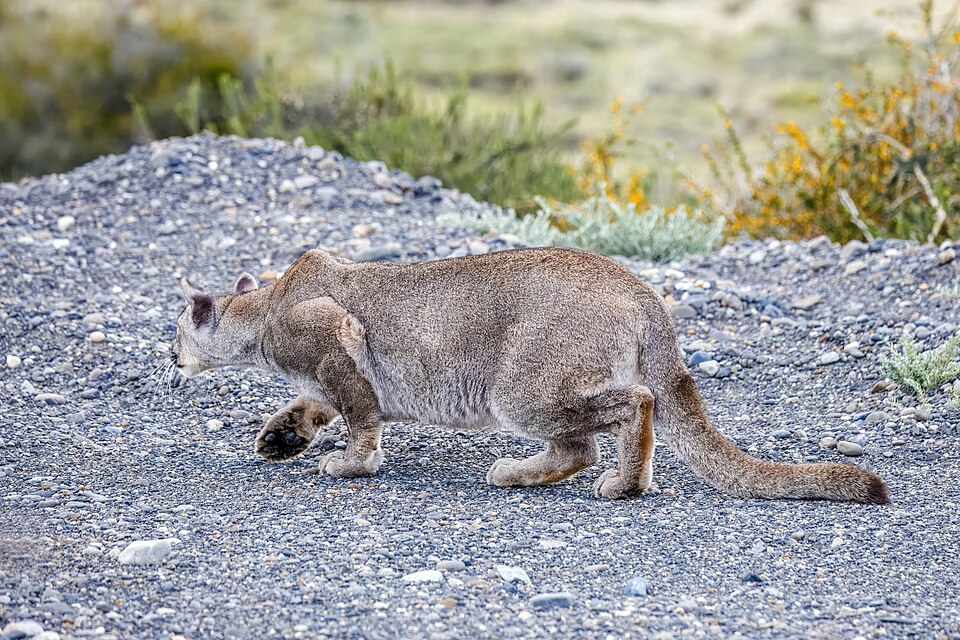
But I never expected to encounter a mountain lion. Its tail was toward me and it was sniffing the ground on the far end of the trail where it gets narrow and steep near the Veterans’ Home—my destination—so I didn’t get a good look at its head. I didn’t need to. Nothing else is that big, that color, and has a tail like that.

About a year ago, my friend Bob told me he’d looked out his window at night and seen a mountain lion. His bedroom window faces the mesa, not the rest of the Veterans’ Home campus. I detoured away from the animal and took an alternate route to go visit Bob. I told him about the sighting. Of course, he had a story.

He was much younger, hiking alone in upstate New York. He loved the woods and often spent hours exploring, but this was the only time he met a mountain lion. They met suddenly, practically face to face, and close enough that the cat could have reached him in a few bounds. Bob didn’t want to back away and look like prey, and he knew better than to approach. Feeling stuck, he improvised. He took his knife from his belt, held it up, and started talking.

“I know you probably want to eat me for lunch, and you could take me if you tried, but I’m warning you, you’re gonna get very scratched up in the process.”

The cat didn’t move, so Bob kept talking. It looked at him as if it was taking in every word. Finally, he took a step back, still holding the knife. Then another slow step. And they went their separate ways.


Undefeated, the flowers came back.


Perhaps you remember my post about a man squirting weedkiller on unwanted plants. He explained that if they weren’t eradicated, they would take over. I’m happy to report they have done exactly that—only a few weeks after their apparent demise. Welcome back!

A New Mexico Mystery Review: Jemez Spring by Rudolfo Anaya

I wish I could say that Jemez Spring was as good as the rest of the series, but it’s not. I had to finish it because it wraps up the Sonny Baca series, but it doesn’t do the story cycle justice. Even Sonny himself is not as strong a character. He becomes something between a caricature and an archetype. I almost stopped reading early on, when Sonny—a private investigator—and a police detective are in the presence of the murder victim who died in a hot spring bath at Jemez Springs, and they derisively discuss the size of the dead man’s penis. At that point, I no longer liked Sonny. I thought, why is this episode here?

His girlfriend, Rita, was always simply an archetypal female ideal with no depth. None of the women in this book have any dimensionality except Naomi, the Jemez Pueblo potter. She has a personality. She’s original. I love it when she gets in Sonny’s truck and says, “You got spirits in this truck?” (One of the strongest characters is the ghost of Sonny’s late neighbor don Eliseo, riding in Sonny’s truck and giving him advice.) But like other women in the book, Naomi is an object of desire. The power players are all men, unless I slept through a scene that breaks that pattern

Between each important event, there are often three pages of digression on New Mexico politics, history, culture, and food, beautiful descriptions of the land, excessive backstory, discussions of whether or not dogs dream, and reflections on mythology. These side trips are masterful word craft and some could make good essays collected outside of a novel, but keeping track of the plot took patience.

The final confrontation between Sonny and Raven is in an intriguing setting and has some mystical moments, but it’s also full of philosophical discussion at a point when it deflates the tension instead of escalating it.

The outcome of the ongoing threat with the bomb made me feel as if the author had written himself into a corner and couldn’t get out of it, so he wrote it away into a trick. That’s almost as bad as “it was all a dream.”  I found flashes of delight in certain settings, good lines, and the few good characters, like the Green Indians, but I’m still disappointed in this work by an author whose books I normally love.