Boxed Set Sale, Book Club Discussion Questions, and Work in Progress

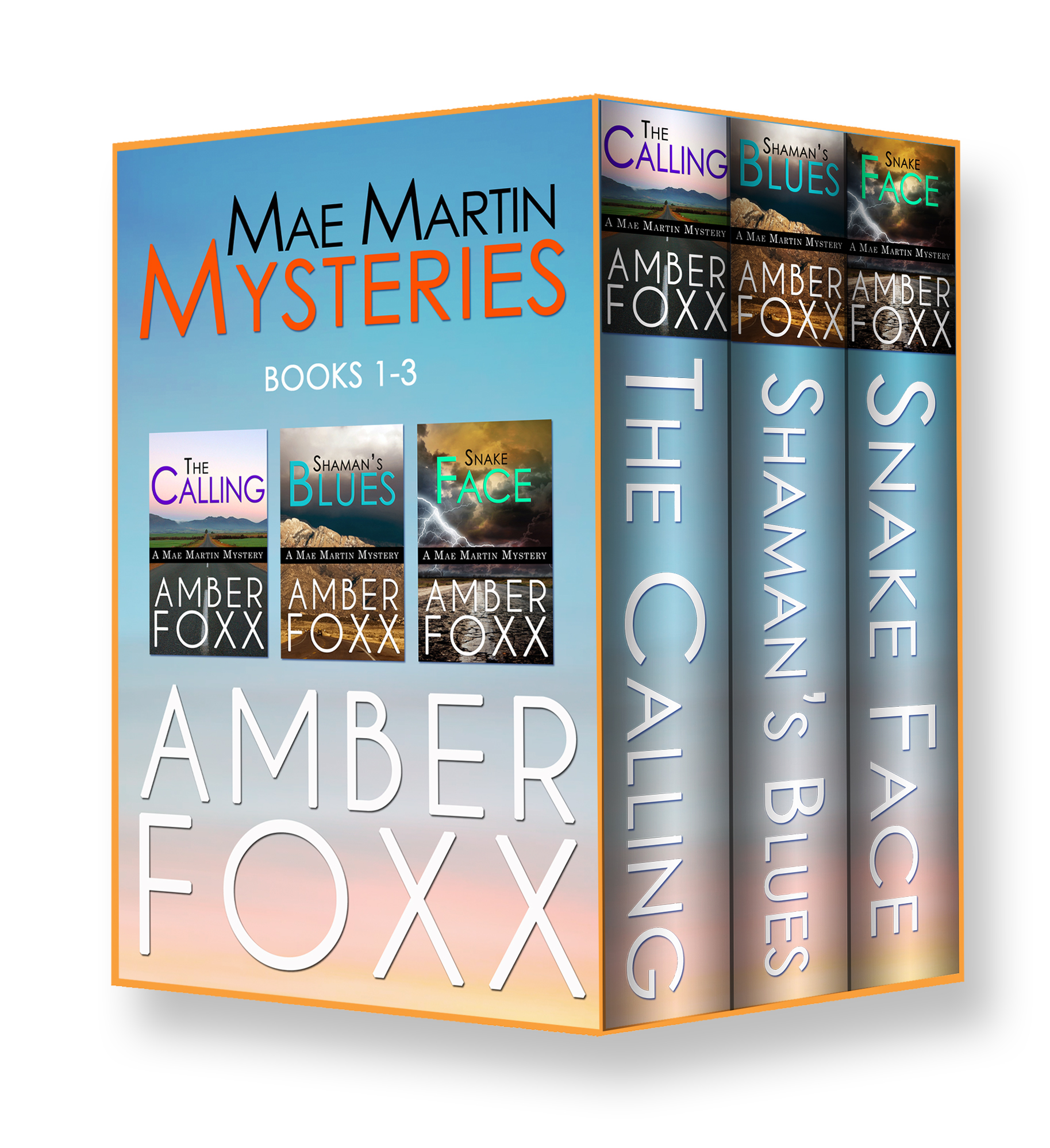
The boxed set of the first three Mae Martin Psychic Mysteries is on sale for $2.99 through April 26th.

Is your book club reading either The Calling or Shaman’s Blues? These have become book club choices, I think, because of their genre-spanning qualities, with elements of women’s fiction, mystery, and the mystical/paranormal. After discovering how much my book club likes using the suggested questions for books, I’ve created a Book Club Discussion Question page on my web site. (I’ll eventually get around to adding the link to the end matter of the books. So far, I’ve added the task to my to-do list.)

Book nine in the Mae Martin series is in progress. I’m a slow writer, so it will probably take another year to bring it to its final form. Using the almost-finished first draft and an earlier, unfinished half draft as foundations, I’m creating anew while revising and recycling the earlier material. Always an adventure—following where the characters lead me.

Writers Don’t Work Alone

My first completed manuscript was awful. I’ve saved it, but shared it with no one. It was an exercise is completing a plot and proving to myself I could do it. My second completed manuscript was awful, too, but I thought it was better, and I shared it with my first writing critique partners, fellow members of the Guppies (Great Unpublished) subgroup of Sisters in Crime.

I was so lucky. One person hated it and didn’t finish it, and her harsh critique was pretty accurate. The other found the strengths in the mess, the gems in the muck, and supported me. She loved my characters so much she took an incredible amount of time to graciously point out my beginner writing mistakes and to explain why they were mistakes. She was under no obligation to work that hard for no pay. Yet she did. She was more experienced, and she saw promise in this beginner.

My first book, The Calling, emerged from that manuscript a few years later. It has many of the same characters. It has the same theme. But not the same plot. My style and structure improved. I read books on writing, took classes on writing, and worked with additional critique partners. With all that the help over the years of revision and polishing, I crafted a solid, favorably-reviewed book.

This week, I finished a critique of a first-time novelist’s manuscript. I’ve read three versions of it, investing in this book the way my early critique partner invested in mine. The author is gifted. She made newbie errors, but I could see the gems beneath them, as could her other beta readers. She had an original idea, fascinating characters, and outstanding research. I’ve been a published author for going on ten years now. It felt good to “pay it forward.” I may be alone at my desk tonight, but not a single book I’ve published has truly been written alone.

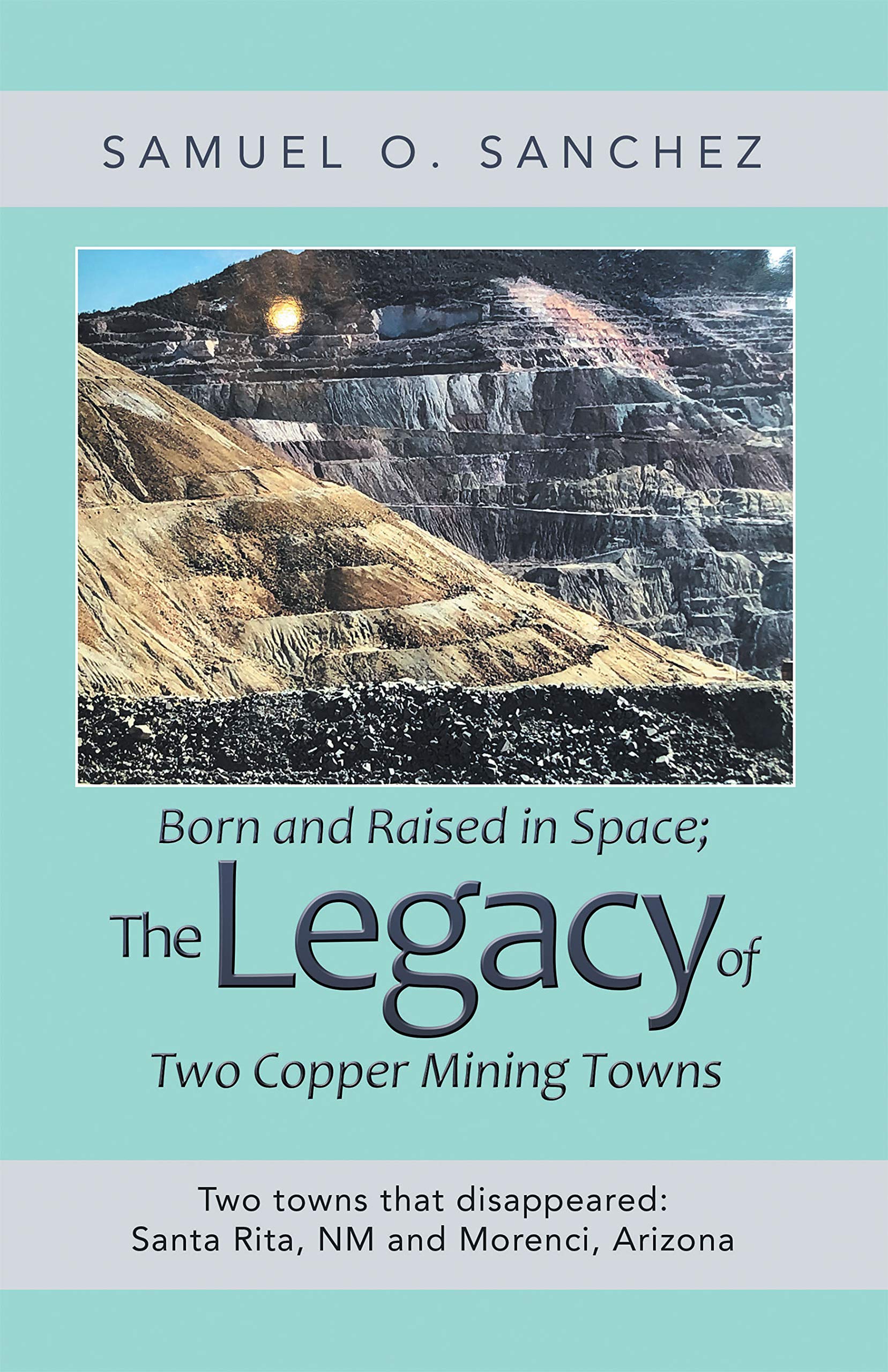
Review: Born and Raised in Space; the Legacy of Two Copper Mining Towns : Two Towns That Disappeared, Santa Rita NM and Morenci AZ

This memoir, told in short vignettes with often humorous lessons at the end of each, is an adventure as well as an intimate exploration of a man’s life from childhood to his elder years. The author portrays the mining towns where he grew up, Santa Rita NM and Morenci AZ, vividly. History is made up the lives of ordinary people, and such a close look at one life makes it clear that no one, really, is ordinary. Regular folks are colorful, original, and unique. This personal history also reminded me how much the world and the state of New Mexico have changed in one lifetime, how different the mid twentieth century was from the early twenty-first century, culturally, socially, and technologically.

Sanchez is fearlessly honest and impressively resilient. If he did something foolish as a boy or as a college student, he tells you. If his career or his love life went well—or not—he tells you. Reading this book is like hanging out with a great raconteur, a man with a long life, a sharp memory, and a willingness to take chances. An electrical engineer, he defies any stereotype of engineers as being on the boring side. I carried this story with me as my EV charging station read, so I was often reading it in public places and laughing out loud.

The author and his wife had the table across from mine at an event for local authors in Las Cruces, NM, and the subtitles and the cover picture on his book fascinated me so much I forgot to ask about the main title. I wish I had, because I don’t know what it means. Born and raised in space? Oh well. If you read the book and figure this out, let me know.

Flimflam, Thimblerig, and Bunko—Don’t Let Them Happen to You.

Every unpublished author wants to be published. Smart people can be persuaded by schemes designed to exploit that desire when they don’t know what to look out for in order to protect themselves,

The first and most important step in avoiding such missteps is to join a professional organization for writers, preferably one for your genre. I joined Sisters in Crime, an organization for mystery writers, before I finished my first book. I spent five years working on it while getting acquainted (online) with established authors, both traditionally published and self-published, as well as other newbies. Through SinC’s Guppies group (The Great Unpublished), I joined critique groups and did manuscript swaps. Many successful authors stay in the Guppies to mentor newcomers and give guidance. I found my editor and my cover designer through the group. And I learned much that enabled me to avoid trouble on the path to bringing the first book out.

This article examines areas where trouble may lurk and also where it can be avoided: Publishers, Agents, Self-Publishing, and Contests and Anthologies

Publishers:

Characteristics of legitimate, traditional publishers

This type of publisher doesn’t charge you anything. They make money selling your book. Most pay advances, and most require submission from agents. A few small presses take direct submissions, and some don’t pay advances. But they don’t charge the author any fees. A traditional publisher is selective and invests in you. They take care of editing, cover design, and marketing—though you’ll probably have to supplement the marketing.

Read the fine print in a contract with a traditional publisher. When do the rights to a book revert to you? If it goes out of print or is never published, do you get it back? You can sign with a great small press, do well with them, and then they close their doors. Find out what would happen in that case. A number of currently self-published authors were formerly trad pub and got their rights back after their publisher dropped their series or went out of business.

Characteristics of questionable publishers

Any of the following can be a red flag: They require you to buy or to presell a contracted number of copies of your book before you can earn royalties, or you only earn royalties after X number of books have sold—despite being paid no advance. They charge for editing, formatting, cover design, or other work that would be provided by a traditional publisher. You are pressured to buy add-ons such as marketing services. They run ads or send emails inviting you to submit your work and become a published author.

These publishers make money off author fees, not book sales. They often do no marketing. In some cases, you never even get the copies of your book they required you to purchase.

If you do get them, it can be hard to sell fifty—or two hundred—copies of a paperback by an unknown author. Chain stores get their stock from distributors which carry books that are predicted to sell. Small, independent stores have more flexibility, but if they choose to carry your books, most will take them on consignment, not buy them from you. Best case scenario: a store buys a few from you and then sells them.

Vanity Presses

These publishers will produce books such as a memoir to share with family or a poetry collection for your local poetry club to sell for charity. There’s no pretense of creating something for stores or for national sales. This is a reasonable business model, as long as you know you’re dealing with a vanity press. If all you want is small number of books for family and friends, and the prices are moderate, a vanity press may be suitable. Problems occur when businesses operate like vanity presses and try to pass for traditional publishers.

Agents

They are go-betweens who work to get a traditional publishing house to consider your book. The agent only earns a commission if they sell your book. They don’t charge upfront fees. Like traditional publishers, literary agents are highly selective. It takes time and effort to get one to represent you. Some flimflammers have been impersonating well-known literary agents and soliciting authors’ business. Make sure you’re working with a reputable agent who has a record of selling books, and that they are who they say they are.

Self-Published Authors: what you do and don’t need

What you need: an editor—possibly a structural or developmental editor— and definitely a line editor, a proofreader, a cover artist, and several critique partners or beta readers.

Get recommendations for all of the above from the author group you joined. Don’t pick someone from Goodreads or from an ad. I’ve read books by indie authors who’d paid $2,000 to an “editor” who did nothing more than fix the typos. Proofreading is not editing. It’s done after editing.

Wide distribution is in your long-term best interest: Most of your sales will be eBooks. You set the prices, decide when to offer discounts, or when to give away an eBook for free, etc. It’s best to distribute and publish to all eBook platforms, not just Amazon. Don’t put all your eggs in that one basket. While Amazon generally sells more books, their customer service for authors is limited, and if you accidentally trigger some rule that gets your book unpublished or your reviews removed, you don’t want to vanish entirely. Also, I’ve had months when my sales on Apple exceeded my sales on Amazon. Some authors will put a book in KDP Select and Kindle Unlimited for three months in order to get reviews and then distribute widely. You can upload a book directly to Kobo, Barnes and Noble, and Apple or go through an aggregator like Draft2Digital. (They merged with Smashwords, which used to be the other option for distribution and still has its own eBook store.) Draft2Digital/Smashwords will distribute to library services like Overdrive, Hoopla and others, as well Kobo, Barnes and Noble, Apple, Scribd, and a number of international eBook stores.

What you don’t need and why:

A stock of hundreds of paperbacks. Paperback sales in stores are minimal for authors who aren’t traditionally published, as noted above. KDP Print, Ingram Spark, and Draft2Digital Print are POD (print on demand). You only need to keep a few copies of each book on hand for local sales and books signings.

 A marketing service. You don’t need a professional helper to purchase ads. Paid advertising is one of the simpler things you’ll do. Your social media accounts and your newsletter should be in your own voice. Marketing services may claim to offer search engine optimization or make other dubious promises like a Bookbub Featured Deal. Learn to do the marketing yourself. Read a book on how to do it. Subscribe to newsletters from David Gaughran, https://davidgaughran.com Dave Chesson https://kindlepreneur.com , and others who give free advice (as well as sell books or products). Read the Bookbub blog and the Kobo Writing Life blog. Learn from fellow authors in that group you joined.

A formatter. If you self-publish the way most authors do, you only have to do some basic things related to font size and white space to set up a Word document that Draft2Digital /Smashwords can format. There’s no charge for formatting. If you use them to distribute your eBooks (and/or publish paperbacks), they take a small commission from your royalties for all the services they provide. Even if you upload directly to Amazon or some other stores, you’ll probably want D2D /Smashwords for library distribution, so you might as well format there as well. Then upload your formatted book elsewhere as needed.

A fee-based full-scale self-publishing service. There are services that package the needs of self-publishing, such as editing, cover design, formatting, printing, and distribution. They’re likely to cost more than DIY indie publishing, and you may have less control over your choice of an editor or cover designer than if you hire your own. Everything the self-pub service company does for you can be done for the same or lower costs with more control when you hire free-lance. Shop around. Get recommendations from that group you joined. If you do everything yourself instead of through a self-pub service, you’ll be ready and able when you want to update anything from the backmatter to the cover to correcting two typos an alert reader told you about.

Contests, Awards, and Anthologies

Many contests are money-makers for those who run them, but of little to no benefit to those who enter. If you have to pay more than twenty dollars to enter a contest or be considered for an award, if you lose the rights to your short story or essay even if it’s never published or goes into an obscure volume that’s never marketed, or if you have to buy copies of the anthology in which it’s published, don’t enter.

The Ultimate Resource: Writer Beware

This web site will give you far more detail than I can. Click on every link and read in depth.

https://www.sfwa.org/other-resources/for-authors/writer-beware/

A good article from an author’s blog, one of the best blogs for writers to follow:

https://annerallen.com/2015/12/5-scams-target-new-writers-spot/

Pirate Flags in the Book World

A member of my book club asked how she could tell if a web site was offering pirated books. If such an avid reader didn’t know, it’s likely that she’s not alone. So here’s a brief summary of eBook pirate flags. For your safety, steer clear when you see them.

If you find a site that offers eBooks and PDFs of books free, and nothing but free, you have probably found a pirate site. If they offer best sellers and new releases free, you can be sure it’s not legit. If they have only a few of the books in a long series, that’s also a pirate flag. (They have not succeeded in stealing all seven or eight.) A real online bookstore will usually carry the whole series. And if later books in a series are free, not just the first one, that’s almost certainly a sign of piracy.

Pirates steal book files and cover images, or in some cases only excerpts of books. Pirates sometimes don’t really have the books at all. If the grammar and sentence structure on the web page seem a tad off, as if the site’s creator is working in English as a second language, that can be a hint that this site is housed in a country like Russia that tolerates cyber criminals. Think about it. What profit is there is giving away pirated books? There has to be an angle. That angle is exploiting the “customer” through credit card info theft, multiple types of malware, and email harvesting.

Some people share book files, thinking it’s like giving a friend a paperback after you’ve read it, but a paperback can’t reproduce forever, and there’s a risk in participating: malware. Instead of file-sharing, use the lending option on legitimate eBook platforms. I’ve known people who have two e-readers to loan one out so a friend can read what’s on it.

I found my three of my books—including the one that’s free in genuine online stores—on two pirate sites. My McAfee anti-virus program identified the sites as risky, so anyone who goes there may run into cyber trouble. If you’re an author, be careful as you check to see if your work is pirated. Just search, don’t click on links.

Pirates make it very hard to contact them or send a Digital Millennial Copyright Act take-down notice without clicking on a potentially risky link. To get around this, some authors go to the trouble of contacting the web host or asking Google to stop indexing the site in search results. If you do contact the pirate sites by email, keep in mind they may simply be harvesting email addresses to sell to spammers who will then try to sell you dubious products like paid reviews.

If you want to buy books safely, buy from legitimate, reputable outlets such as Amazon, Kobo, Barnes and Noble, Apple, and Smashwords. If you can’t afford even low-priced $3.99 and $4.99 indie titles, go the free and 99 cent sections on eBook retail sites. I’ve shopped for free Nook books that way on B&N and found a large—and safe—selection. You can also check out an eBook from your library if they have Hoopla or Overdrive or another such system. Authors deserve to get paid. And readers need to avoid risky web sites.

The Annual Whole Series Sale

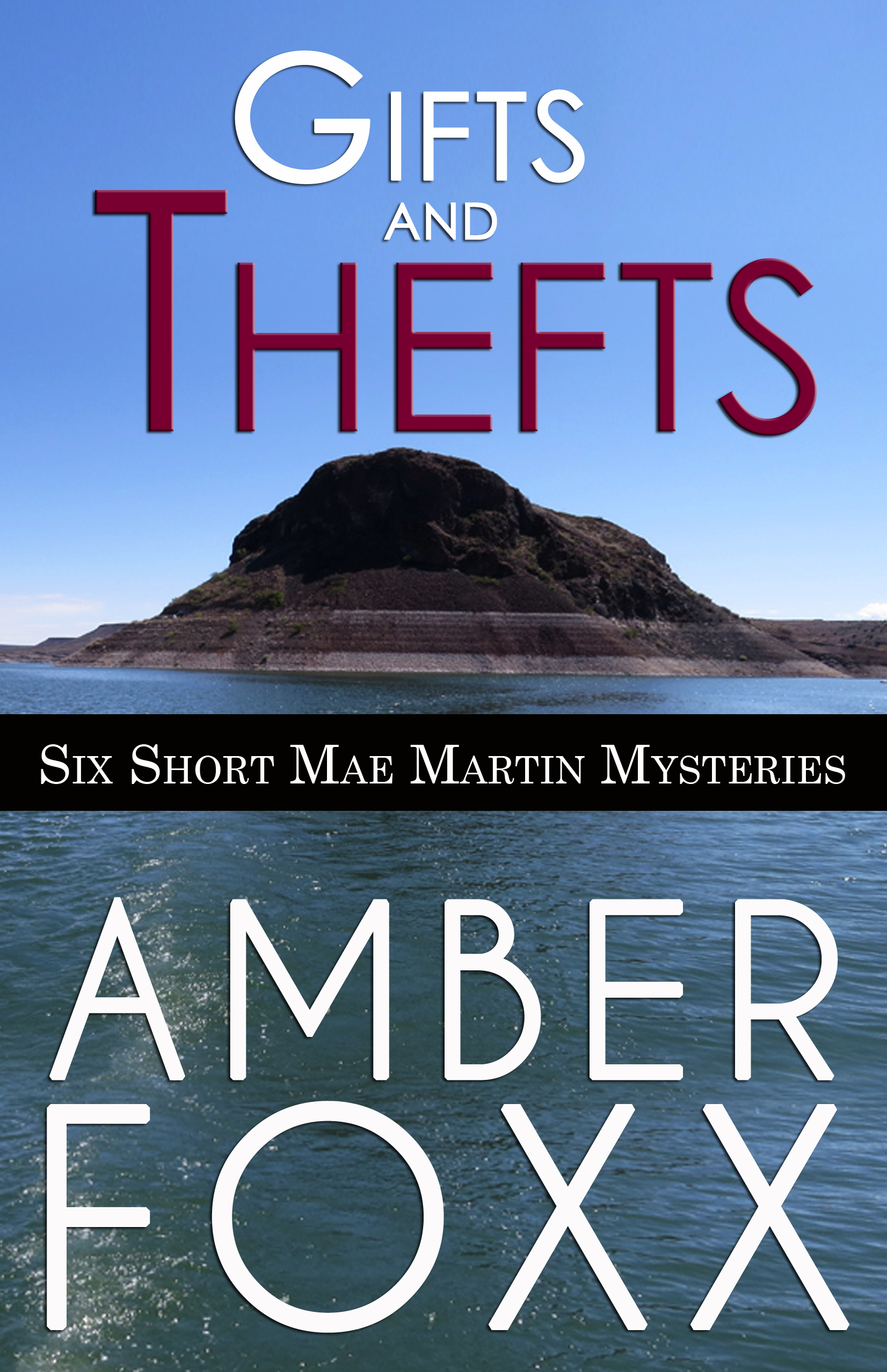
All books in the Mae Martin Series are discounted through the end of January, on sale for $3.99 each .  Book one, The Calling, is free. The prequel, The Outlaw Women, is 99 cents, and book 7.5, the short story suite Gifts and Thefts, is $2.99. No murder, just mystery. No inflation, either. Available through all major eBook stores.


The Smashwords Sale

In addition to all the other e-book stores, my books are now available in the Smashwords store, the largest indie bookstore on the internet, and they will all be half price (or free!) as part of the Smashwords 2022 End of Year Sale.

You’ll find big discounts on thousands of indie titles throughout December. Discover your next favorite book at https://smashwords.com/shelves/promos

#SmashwordsEOYSale #smashwords #ebook #sale #books2read #indiebooks

Anna

She passed on in February. I still think of her. Still miss her.

We were critique partners, writers who appreciated each other’s work. Though we knew each other’s real names, we connected and communicated by pen names, Anna Castle and Amber Foxx. We never met. Our friendship, though we shared other interests and agreed on some major issues, was centered on writing. Sharing your work in progress with another writer takes trust and respect. She critiqued my short story suite, Gifts and Thefts. She followed and appreciated my blog post essays. I was honored to critique Anna’s Francis Bacon mysteries, to become a beta reader when I was already a fan of the first books in the series. I love the characters, the historical depth, the wit, the originality, the settings—I could go on and on. To be able to contribute to her next work in any way, when the work was as good as hers was, meant a lot to me. I miss that partnership.

I also miss the social media interactions, the humorous exchanges, even the updates on the progress of the grass paths in her garden. I believe her fictional characters miss her, too. She told me how the Bacon series would progress, what would happen in future books. Books that will never be written. The real Francis Bacon went through difficult periods in his life which were going to make their way into the series. Perhaps the fictional Francis is spared those challenges, but Tom Clarady will never complete one of his great life goals. Perhaps in the world the characters inhabit, they carry on—and he does. Anna planned that he should.

Elizabethan healer and herbalist Jane Moone must miss her author, too. I had an inkling where the Cunning Woman series was going, and was eager to see its fulfillment. These historical paranormal cozies set in a village where magic is real are as fully researched as the Bacon books. I admit the Moriarty series didn’t hook me, simply because I’m not fond of the Victorian period, but the one story I read was as brilliantly crafted as the rest of her work. Her cozies set in Lost Hat, Texas were her only modern mysteries, and I delighted in those.

I may always miss our exchange of creativity as writers. The trust with each other’s words.

This isn’t an anniversary of anything. It’s just something I needed to say, and have needed to say since February. I was prompted by a post on the blog Pleated Stories about friends we meet online and friends we lose.

Note: Alas, Anna’s web site address seems to have been taken over by some strange, rather frantic entity in a language I don’t speak. Her Goodreads page is still there, though. If you have not yet discovered her books, I encourage you to explore. Honor her memory through her characters. They live on.

A New Mexico Mystery Review: Stargazer by Anne Hillerman

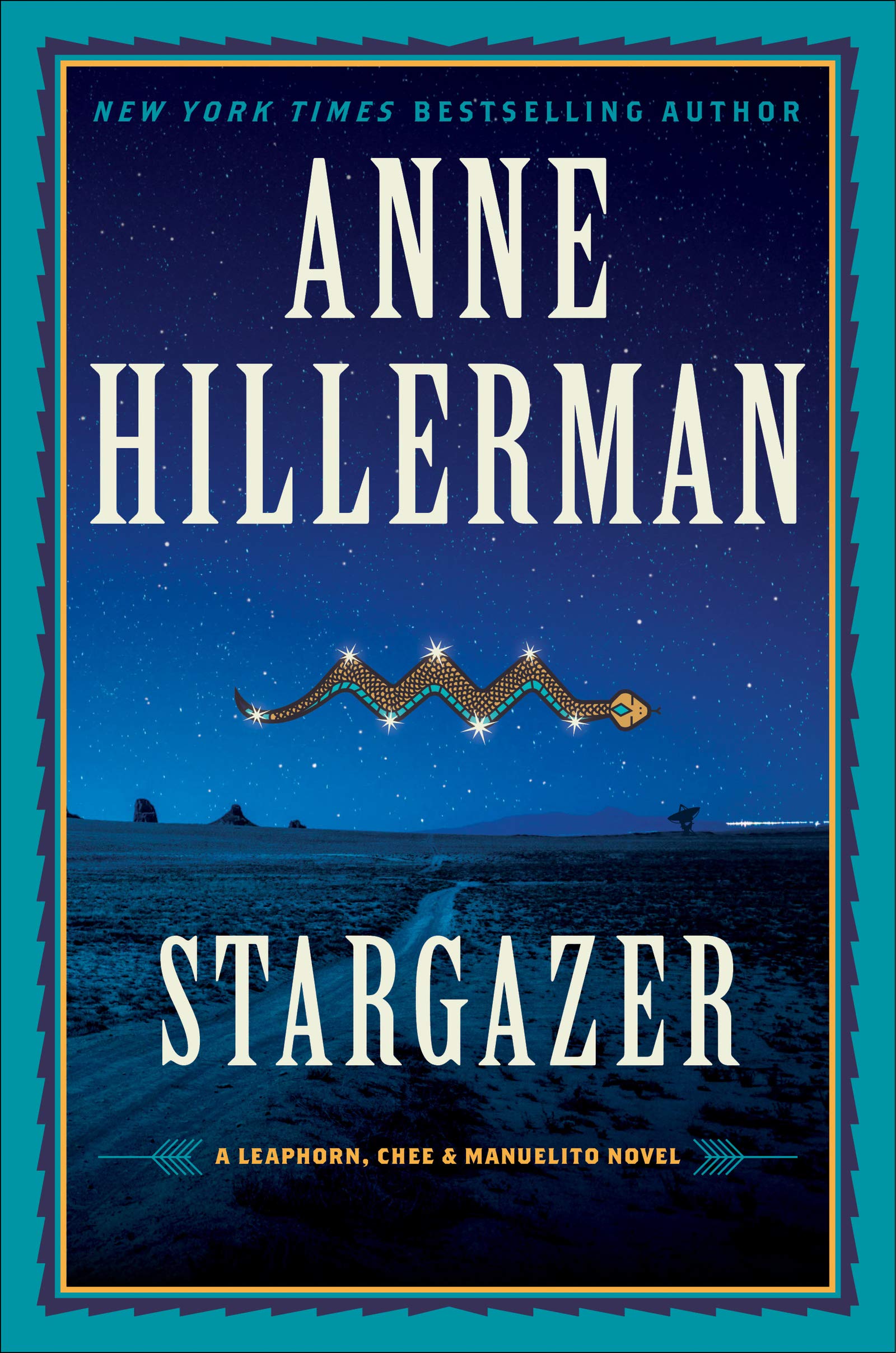
The protagonists have kept this series strong for years. Hillerman develops them further with each book. As an elder, Joe Leaphorn is still growing and learning. Bernie Manuelito and Jim Chee navigate the challenges of their police work and their marriage. And the new characters are memorable and deep. The multiple suspects in the crime were all plausible, and I was never sure who was responsible until near the end. The settings are intriguing. The Alamo Navajo Reservation near Socorro, New Mexico is a lesser known section of the Navajo Nation, yet still part of the nation and its culture. Also near Socorro is the Very Large Array, the site of high tech studies of the stars. The victim, a scientist who worked there—the star gazer of the title—is revealed in depth as a person.

Anne Hillerman has knack for creating colorful, utterly real, and very regional people as minor characters, also. Bernie’s attempt to serve a warrant on Melvin Shorty presents one of these gems. And how Shorty behaves in the end is true to the way he and Bernie met as human beings, not just as officer and law breaker.

Hillerman gives realistic complexity to the characters’ lives. Leaphorn, Chee and Manuelito are never dealing with just one case. There’s a primary mystery plot, but there are other demands on their professional time as well, including a painfully sad case Bernie stumbles across while attempting to deal with stray cattle. The leads’ private lives are not neglected by the author or the characters. I like having fully functional sleuths. They attend to their relationships and friendships, not just their work.

The author’s prior writing career in nonfiction serves her well. She integrates research  fluidly as needed, resulting in a poetic balance between the science at the Very Large Array and Bernie’s Navajo view of the stars and constellations.

The ending is satisfying. Major issues are wrapped up, yet the reader is left thinking about the characters’ future plans.

No spoilers, but Joe Leaphorn’s encounter with a child who is traveling alone is wonderful. And if you read the author’s notes at the end, that scene gets even better. Hillerman’s notes are as good as the story, as she shares more about the Very Large Array, Navajo cosmology, and her writing process.


A New Mexico Mystery Review: The Treasure of Victoria Peak

This true story would make a great movie, featuring a hidden treasure and a huge cast of characters trying to get hold of it despite the claim of the stubborn widow of the original finder, Doc Noss.

Doc, a Cheyenne foot doctor of no known medical credentials, had an office in what was then Hot Springs, now Truth or Consequences. He was reputed to be skilled in treating foot ailments, whether or not he was real doctor. Once he found treasure while out deer hunting, his life changed, and not for the better. He had a lot to worry about—more gold and ancient Spanish artifacts than he could remove from the cavern in Victorio Peak. (The mountain is named after Victorio, the Apache war chief. I’m not sure how or why Koury or perhaps his publisher renamed it Victoria.)

The book chronicles Doc Noss’s adventures, his sudden and dramatic death, court case after court case, subsequent treasure searches, and Ova Noss’s years of fighting to retain her right to the treasure and get permission to dig it up. Once the peak was made part of the White Sands Missile Range, Mrs. Noss had to go up against everyone from the U.S. military and F. Lee Bailey to the woman who claimed to be her late husband’s other widow.

Attorney for Mrs. Noss Phil H. Koury has a penchant for detail. As you might expect, he tells his story with an emphasis on the legal battles, but it’s never dull or confusing, and he has a humorous flair. He recounts the treasure hunt scenes he witnessed with apt observations of character and settings. The process of solving this mystery during a time when communication was slower increases the suspense. I rooted for Mrs. Noss all the way. Since this is a true story, the plot doesn’t necessarily turn the way a work of fiction would, but that makes it no less compelling.