 I was puzzled when a stranger knocked on my door and asked if I had any coffee grounds. To my mind, coffee grounds are the wet, used-up stuff left in the filter. I asked if he needed them for his compost, but no, he had run out of coffee. My next question: Why he didn’t buy some? The grocery story is quite close, he had walked from wherever he lived, and he was apparently fit and healthy, a lean man in his late forties or early fifties, clean, sober and normal—or as normal as T or C residents get. “I’m poor,” he said, cheerful and unembarrassed. What could I say? In a neighborhood of retirees, artists, musicians, and low-wage workers, most people are kind of poor.
He’d tried neighbors he knew first, but no one was home, so he progressed further down the street. Since he knew my former landlady, he explained, he felt all right trying for coffee here. Deciding this made him reasonably okay, I ground some beans, and he hunkered down in the yard. At 2:20 in the afternoon, he was wearing a T-shirt and pajama pants and had only now discovered that he’d run out of both cash and coffee. Had he just woken up? I sleep pretty late, since I write until two or three a.m., but it is still morning when I get up. Perhaps he was an artist, so he might keep late hours, too, and occasionally run out money. I gave him a zip lock bag full of freshly ground coffee and told him to go get caffeinated, he thanked me and left, and that was that. But while I ground the coffee, I was aware of the presence of an unfamiliar man outside my door. Though he seemed safe, my guard stayed up.
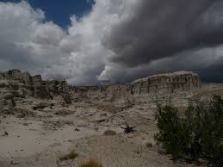
The next day, I got caught in a thunderstorm. Weather is unpredictable here in the monsoon season. A big blue-gray cloud could hover and do nothing or explode with lightning, thunder and rain. Tiny storms sail through like one slender woman in a long gray dress sweeping through a crowd of larger women in short skirts, only hers touching the earth as she dances past. A tumultuous-looking sky isn’t a reason to stay in. But one patch of clouds got productive while I was running, and I was on the midpoint of the loop of the trail. There was no shorter route back unless I cut through the desert off-trail, dodging thorny plants and various critters’ holes. So, I sped up.
At first, I was fast and attuned to the storm. Then, on the last little uphill stretch, I realized I had gotten so used to the thunder that I’d relaxed my pace as if I couldn’t hear all that rumbling. Funny how the mind works.
Warnings are useful, yet we can get so accustomed to them we stop reacting. With a stranger at my door for five minutes, I stayed alert. With a storm all around me for a longer time, though, I got comfortable. When alarm signals begin to feel normal—alarms about public or private behavior, the state of the planet, or feedback from our own minds and bodies that we need to change—the situation gets more dangerous.

 Yes, I’m writing about rain again. Rain in the desert. I never tire of miracles.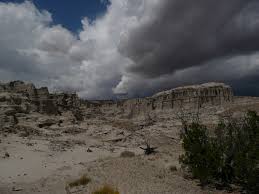
 Amber Foxx Mysteries