Look up!

I had my eyes on the sky. The rim of the blue bowl was pink in the east and gold in the west, a cloudless pastel sunset. After a spell of September monsoons, the evenings are cooler, and the Truth or Consequences bats have been keeping normal bat hours again rather than sleeping in until long after sunset like they did in July or trickling out a few at time like they did in August. I walked to the bats’ home, an empty building with a mural on the back next to one of the art galleries. Right on the cusp of sunset, they poured out, the entire corps de ballet taking the stage at once, flowing from the open roof of the old building, dancing toward the Rio Grande.

Two women sitting at an outdoor table at Riverbend Hot Springs across the street kept talking, not looking up. Two men walking a dog remained deep in conversation as they passed the mural, not looking up.

While hundreds of tiny bats passed over their heads. The show was over in less than five minutes.

How to Rescue a Gecko Stuck in a Roach Trap

I’m posting this as a public service to anyone who may in the future find a gecko stuck in a roach motel. You may think you don’t need this information, but next year or five years from now, you might. And you’ll remember. And a gecko may live to hunt bugs for another day.

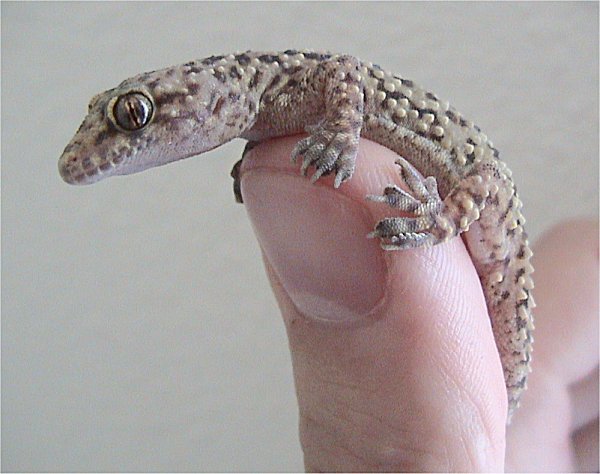
If you live in a warm climate, especially in a city with aging infrastructure like Truth or Consequences, no matter how clean your home is or how diligent your exterminators, roaches sometimes sneak in under door. Hot places also have lizards, including cute little Mediterranean house geckos that eat roaches. Technically, they’re an invasive species in New Mexico, but the bugs seem more like invaders. A tiny nocturnal lizard that dines on the enemy is a good neighbor. I like house geckos. They have important cameos in several of my books, especially the geckos on the window screen at the end of Soul Loss.

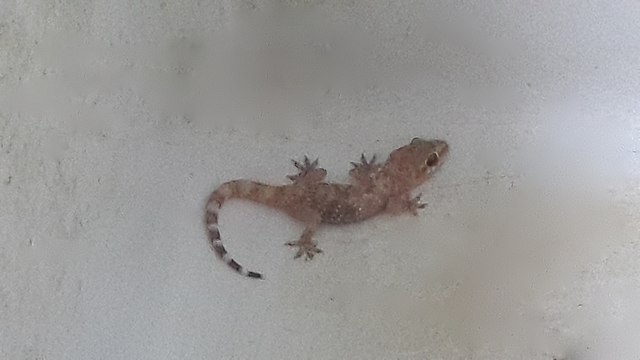
The other day, I opened the door to my apartment, and a gecko dashed inside. It was pink with red spots, enormous eyes, and a long slender black-and-white striped tail. A perfect tail. The sign of a sheltered life. No close encounters with predators had snapped off a single stripe. My first thought was, “No, no, don’t go in the roach motel!” I caught the gecko in my hands, but it escaped and took same path a roach would take. Straight behind the refrigerator and into the trap.

My attempts to free it failed. A neighbor suggested water might soften the glue. I drizzled a little warm water onto the trap, but the glue held firm. The poor gecko died—of exhaustion and stress from struggling against the glue, I could say, or perhaps it died from terror of the humans hovering over it. But the sad truth is, the gecko died from our failure to think of looking up how to save it.

Late at night after this distressing event, when I should have been working on a book, I wondered if I could have saved it. To my amazement, my search immediately turned up an article on saving a lizard stuck in a roach motel.

I was as surprised as the author of the article was when she’d searched for the answer to the same question and found numerous results. She, fortunately, had the presence of mind to do research while her gecko, a volunteer housemate-not-quite-pet, was still alive. She saved him.

Using information from her article, several others, and some videos, I’ve compiled the steps in rescuing a stuck lizard, in case any of these older resources become unavailable.

  1. Stay calm, and maybe your gecko will, too. Geckos can live a long time without food or water. As long they and their rescuers don’t panic, the situation is manageable.
  2. Cut away the trap around the lizard to make it easier to free him, but not so close that you risk cutting him.
  3. Assemble the rescue kit: Q-Tips and vegetable oil and a damp paper towel. Put some oil in a small dish and dip a Q-tip in it, then slowly rub around lizard, so the oil works its way under him. Be careful not to use much pressure. Don’t pour the oil. It’s not good for lizard skin. Use only the Q-tip.
  4. Very gently, move him around, like a subtle wiggle. This unsticking process can take up to an hour. As you free one part, cut the trap out from under that part so he doesn’t get re-stuck. I think you possibly could, as an alternative, stick a piece of paper firmly over the glue once a tail or limb is free, so you don’t have to use scissors or a knife again near the gecko. I found videos in which people used lightly oiled latex gloves to ease their fingers under the lizard once the oil around its perimeter had a chance to work, and then they ended up with the whole lizard on their hand.
  5. Place your liberated lizard on a damp paper towel to rest and get the oil off. Geckos can “drink” by absorbing moisture through their skin, so they should not remain oily. A man in one gecko rescue video actually wiped his lizard down with wet paper and then let the lizard rest and chew on the paper for moisture. (This was a gecko who lived in his home and knew him.)
  6. Either get rid of your roach traps and welcome your new bug-eating roommate, or put the lizard outside.

My neighbor told me the next day that he’d mentioned our gecko tragedy to a friend who immediately told him about the vegetable oil method. Gosh. This apparently happens so often there’s an established rescue technique. I hope I never have to use it, but at least I’ll be ready. And you will be, too. Share this widely with others, even if they think they’ll never need it. You never know.

On behalf of house geckos, thank you.


Revising with Help from My Characters

I finished the second draft of the ninth Mae Martin Mystery. It took two drafts to find out who was the real “villain” was and why they acted as they did. Now I’m reading through the book and taking notes on what works, what needs to be changed, and what might be okay to cut. I find this stage of the revision process absorbing and challenging. I have to get creative within the existing framework and pay even closer attention to my characters’ inner workings. When a scene needs alteration, it’s often because I made someone do what they really wouldn’t do. I’m critiquing and analyzing my book in progress, but the characters are guiding me through it.

Rain Reunion

At first, there was only a thin veil over a butte on the far side of the lake. Dream on, I told myself. It’s not coming. As I ran five miles in the desert, blue-gray clouds thickened, and more rain veils hung over the mountains. When I neared the end of my run, the song of thunder rumbled. The wind picked up. The smell—petrichor, the most magical scent in the world—arose. I walked the contemplative rock spiral at the end of the trail, spent time in its center, and the rain grew closer and more promising. By the time I finished stretching, it was falling. I stood outside my car, face lifted to the sky, cherishing a cold drop on my chin. Another on my ear. Each touch was so precious, so longed-for, after five weeks of extraordinary heat, a non-soon season instead of a monsoon season. The reunion with rain was like being in love. The moment when you know you need to go, but you linger for one more kiss. The cool, sweet kiss of rain.

Novelty

I take requests at the beginning of every yoga class. The senior students in Gentle Yoga ask for “the same as last week.” It’s become a running joke, because the class is the same in some ways every week, but it’s also different. They become more capable and aware, so the same asana sequence is a new experience even though familiar. I also introduce novelty on purpose. Not enough to be confusing, but enough to make all of us engage more mindfully. I’m a better teacher when I challenge myself to instruct the basics in varied ways.

During this heat wave, I’ve been waking up ninety minutes earlier than I had been previously. I’d been writing late into the night and early morning, but that meant running in the hottest part of the day. I tolerate heat well, but I’ve drawn the line at a hundred and four. (I used to think ninety-nine was the max I should endure, but then I realized a hundred didn’t feel any different.) Anyway, the point of this story is: the change was not only instantaneous and easy, but it changed my perception.

I began perceiving annoying tasks I’d put off as being easier, and I got around to them. I managed my time better with less attraction to time-wasters. This was not a conscious, will-power based change, but a side effect. I made one alteration because running is important to me, and the other changes followed, as if I’d cleaned the filter on my brain, allowing it to operate more efficiently.

I plan to add something new to Gentle Yoga tomorrow. One new asana. One small yet significant change.

Smashwords Sale is Still Happening

Shop for discounted e-books by author, by genre, or by price in the Smashwords Store.

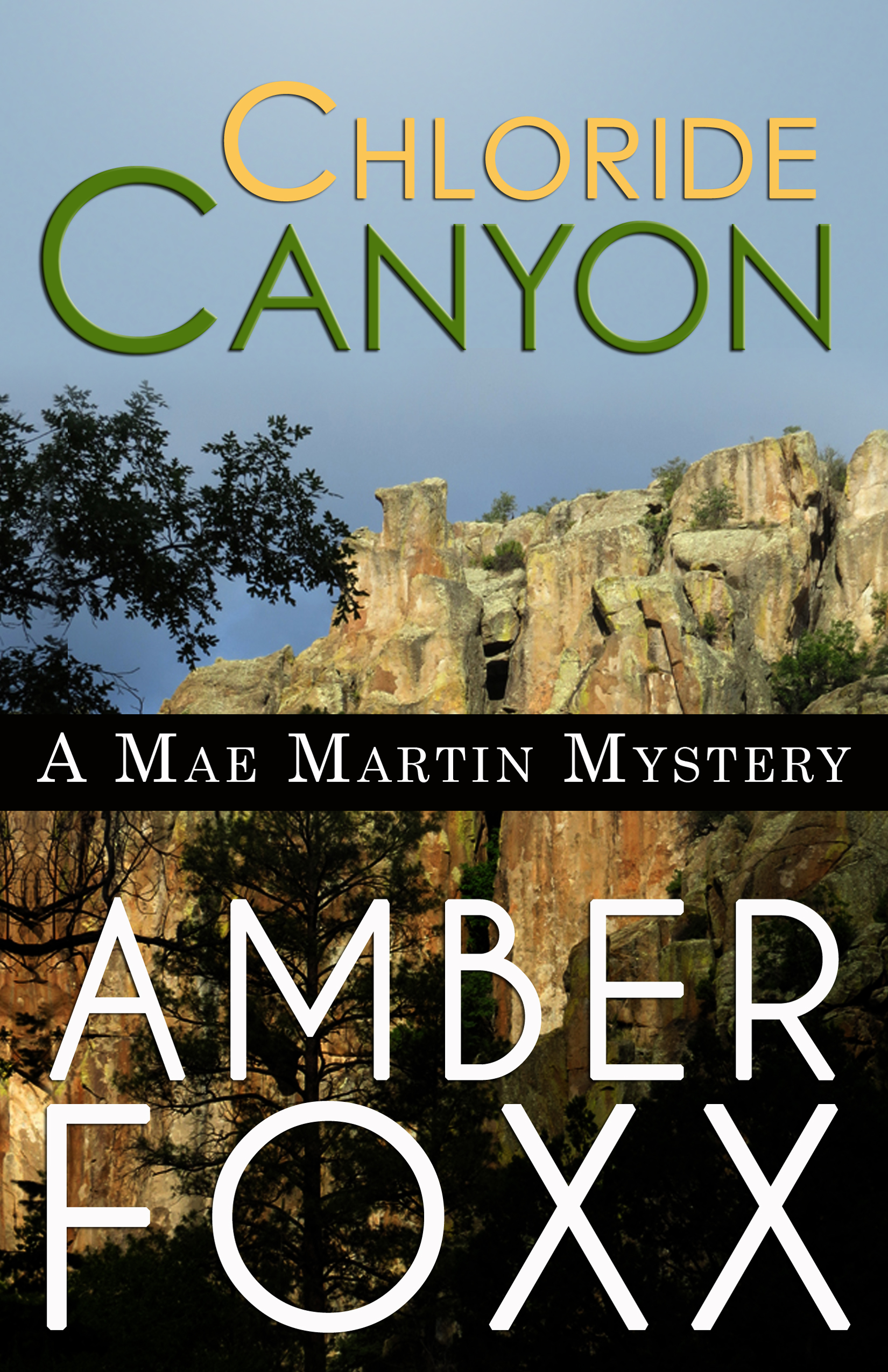
My books are 25% off, which really adds up if you’re buying the whole series. Use this page to find Mae Martin Series the series in order, and click on the Smashwords links.

The sale runs through the end of July.

Velveteen Wabbit

Stephen Luke David John sighed in despair and turned away from his computer. Still no friends. No friend requests. Despite his best pictures. The ones with his cute pets. The shot with his fancy car. The pics featuring his trim, fit figure in uniform. The close-ups of his handsome face, sometimes clean-shaven with a strong, square jaw, sometimes with a neat gray beard.

Women might find it hard to believe he was real, but he was determined to become real. His distinguished military, medical, and engineering careers might be too impressive to believe. And a man of his striking good looks being so desperate for friends was probably even harder to believe. Not to mention his strange inability to make friend requests work. He awkwardly had to request the request from women he found charming, beautiful, interesting, or fascinating. Nonetheless, he kept at it, day after day, and it was getting less and less rewarding.

Stephen Luke David John did forty push-ups, petted his adorable dog, and gazed out the window of his penthouse overlooking … what city was it today? It changed so often, like his face and his name. He’d been Luke Stephen for a while, and John David Luke. Once he’d been so confused he called himself Luke Duke.

Back when he’d been a real rascal, he’d only needed one name, and no one knew it. His nickname had been Lightning, the fastest purse snatcher and pickpocket in his city. His real city. He missed the adrenaline rush of his former life, the fleeting and almost imperceptible contact with his targets, but he’d aged out of it.

His reflection in the window fluttered like the pages of a magazine, face after face, name after name. If only one woman would believe he was real, he might become real again. Might emerge from the limbo of the in-between world and be a man again. A man who had taken over a woman’s Facebook account and accessed her personal information, yes, but he would be a winner again. Like Lightning.

He sat back down and composed a message to a writer on her professional page. For a few days, he’d been liking her posts. She might be primed to think he was a real fan and thus less likely to block and delete him than on her personal page.

Dear Amber, please pardon my boldness, I don’t wish to intrude, but I find your profile and your posts irresistible. I sent you a friend request, but for some reason it didn’t work. If you would be so kind as to send me a friend request, I would be honored and delighted.

 He reviewed it. Yes. It sounded humble—and educated. He posted, confident in his quest to become real. While waiting for a reply, he finally read her profile. She wrote mysteries about crimes other than murder. Stephen, you dunderhead. Now you’ve done it. She’ll know exactly what you’re up to.

She banned him from her page and deleted his post. And then she turned him into fiction.

A Ramble about Rain

It’s hot here, though New Mexico is cooler than Texas. (Yes, you can take that as a double entendre.) With temps around 100 to 05 for a week, we want rain. Even a light sprinkle smells heavenly, and a small rainstorm invites a bigger one, moistening the air enough that the next time the clouds feel heavy, more rain will reach the ground, not evaporate and hover in shaggy trails of virga.

The following tricks provoke the clouds:

Walking without an umbrella when the sky looks promising. Most people here enjoy getting rained on, so this isn’t a sacrifice.

Watering fruit trees. If my neighbor and I water on the same day, this is even more effective.

Washing cars. This is not a decision to make lightly, since it uses water, and therefore should be done on rare occasions. However, if I get my car washed on the same day my neighbor and I both water fruit trees, rain is almost guaranteed, regardless of the forecast. All cars in New Mexico are covered with a thin layer of desert dust at all times, except immediately after washing. A heavy monsoon will wash one side of your car if the wind is right, but in general, rain will speckle and smear the dust even if you don’t drive through a puddle.

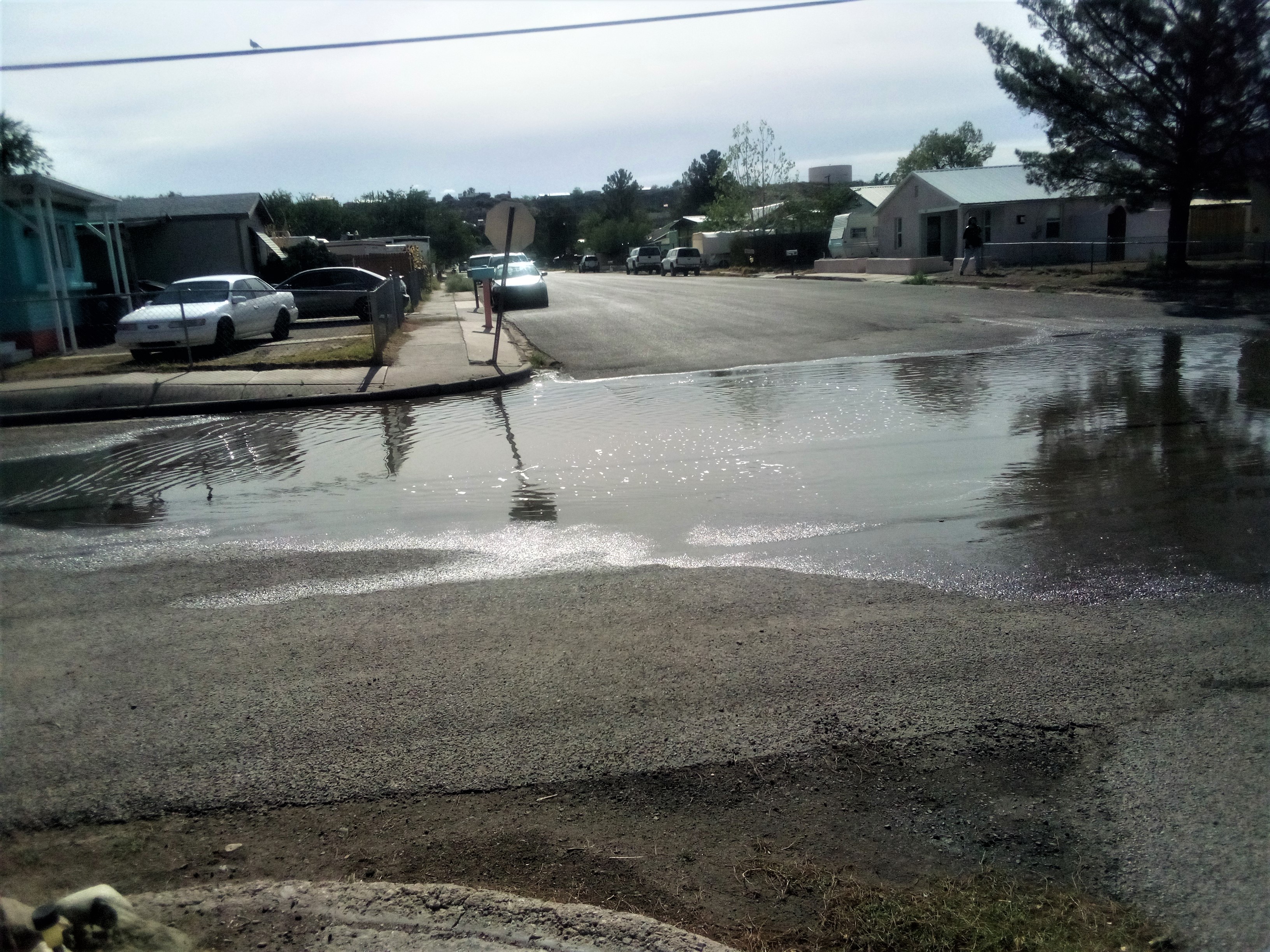
Some people get so excited about rain they drive fast and splash through the giant puddle that fills the intersection of Marr and Clancy in Truth or Consequences.

A big fuzzy blob of orange and pink sunset, hazy with rain, reflected in Lake Clancy tonight. A reward for all those rain provocation tricks.

The Pause

When I catch myself pushing on and on, from one task to the next, I’ve intuitively begun to pause in between and do nothing. A few silent seconds of breathing and gazing at whatever’s in front of me changes everything. Then I carry on with greater equanimity and mindfulness.

Teaching yoga, I bring students back to a neutral pose between more challenging ones,  revisiting tadasana between warrior poses or dandasana between seated twists. In stillness and symmetry, we can feel the aftereffects of the previous asana.

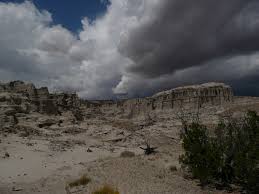
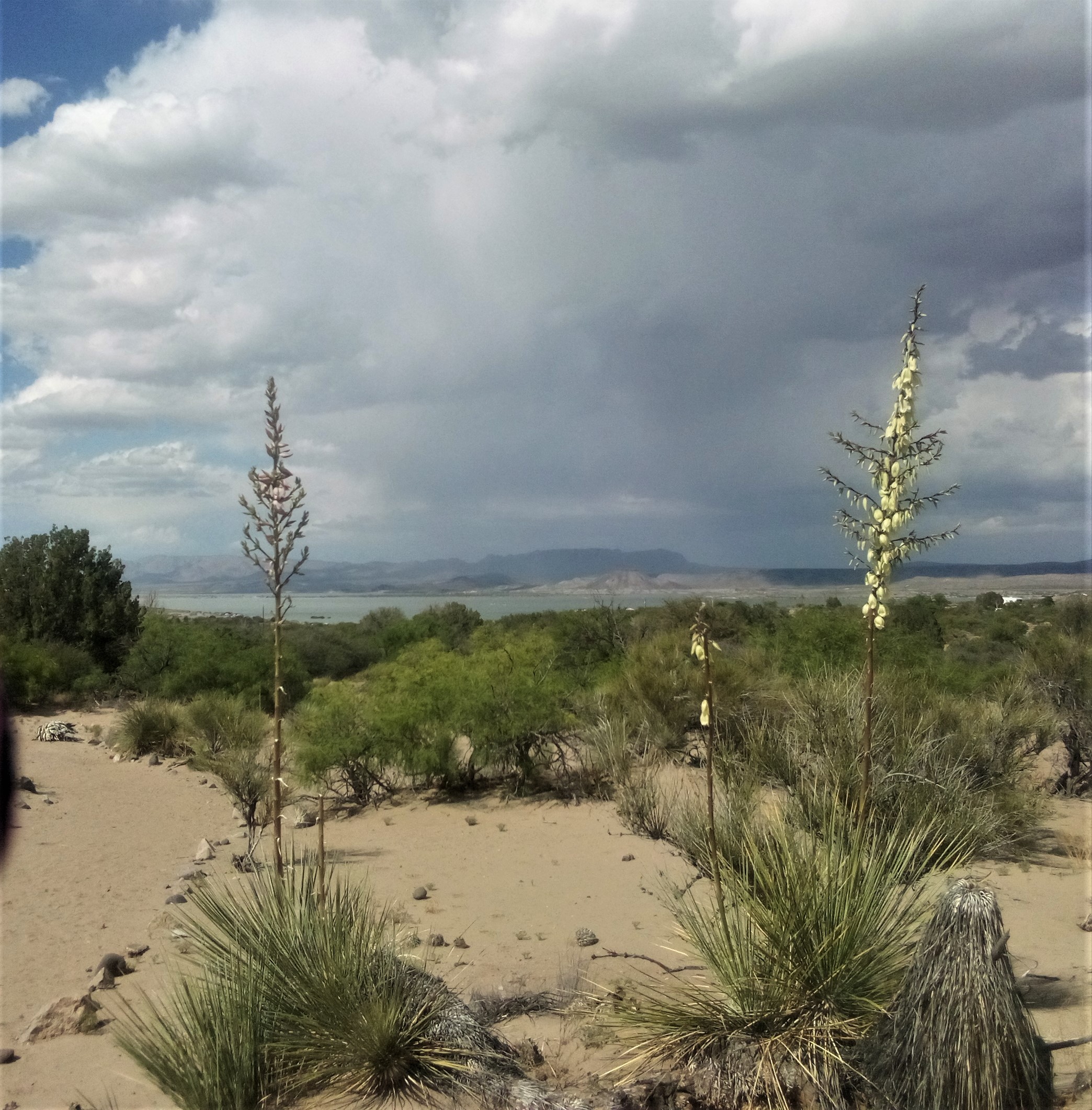
Pausing my run for a sip of water at the top of a hill, I discovered the clouds in the north were no longer distant but moving in and thundering, bringing the imminent blessing of rain to the desert. A multitude of yuccas’ spikes of bell-like blossoms stood out, green-white against the blue-gray sky.

The space between each breath, neither inhalation nor exhalation; the space between each thought, neither this thought nor that; the airborne space between each running step; the pause between lightning and thunder; the line breaks in poems, the rests in music; the dark sky between the stars, the blue sky between the clouds. Sacred space.

More from the Archives of the Little Pink Phone: Character Insight

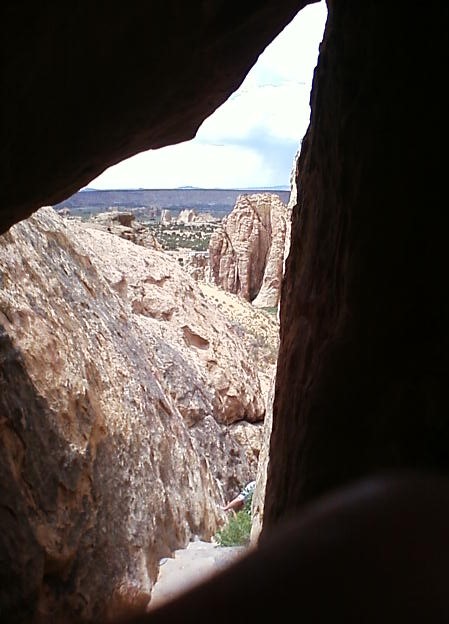
When I found pictures of the stairway descending from the mesa at Acoma, I recognized an image I used in Ghost Sickness, the fifth Mae Martin mystery, and looked for the scene that featured it. In my search for the word “stair,” I assumed I would find the gallery scene with the paintings of the stairway.

 The stairway

I found it, but first, I discovered a connection I hadn’t consciously created. A major character in the book, Acoma Pueblo artist Florencia Mirabal, left her family—one of the last families to live on the high mesa—and eventually settled in Truth or Consequences. For Florencia’s house in T or C, I selected the one that is, like Acoma Pueblo, perched up high, with an extraordinary view … and a stairway. Writing the book, I was unaware of the parallels.

Mae pulled the truck into the weedy patch of dirt that qualified as a side yard, drawing near to the porch’s side steps. The front steps led to a long, winding set of stone stairs set into a steep cliff, giving the little house the feeling of a castle. On their way in, she and Niall paused on the porch, looking down at Main Street and the view of the Rio Grande and Turtleback Mountain beyond the town.

 Mae said, “This is such a perfect place for an artist to live. It must have been hard for her to leave.”

Then, I found the scenes featuring Florencia’s stairway paintings.

  • Several small canvases with what appeared to be drafts of the work she had in mind stood around her, images of a narrow rocky staircase like a crevasse in a mesa.
  • Clemens circled the room again and paused in front of a pair of paintings. Both showed the exact same scene, a stone stairway winding between steep rock walls. The perspective was slightly distorted, suggesting multiple parts of the twisting path seen from different angles. A shadow of someone’s legs and a foot lifted to take a step fell on the stairs, but no human figure was shown. One version of the painting was in shades of yellow, brown, and gold, the other in shades of blue.

Much of the mystery centers around Florencia’s art and her separation from her family. I knew I was writing that part. But I didn’t realize how her choice of a home reflected the one she left but never let go of in her paintings. And since I didn’t realize it, I think it was her choice, not mine.

The view from the stairway