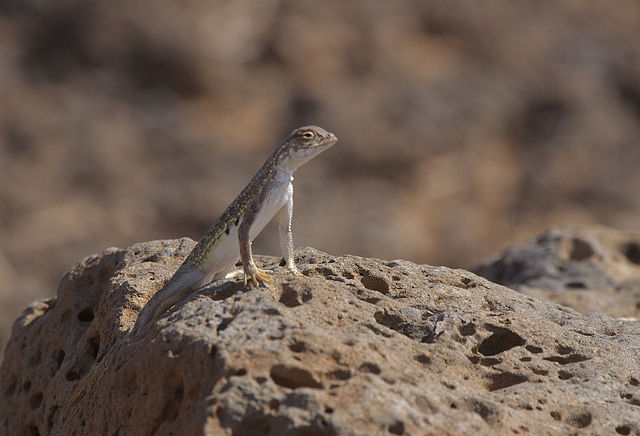
You know you’re in New Mexico when there’s a lizard on the dance floor.

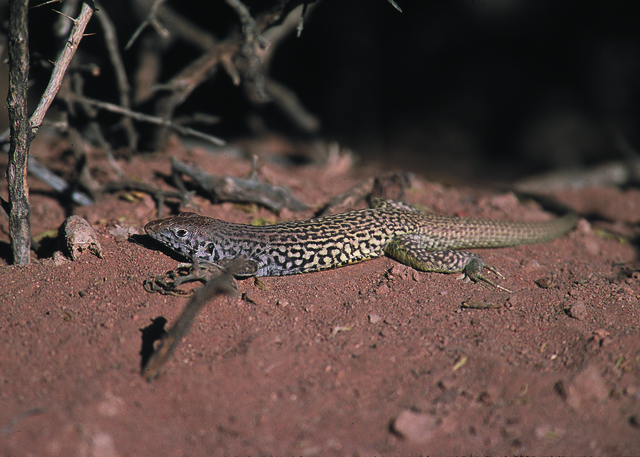
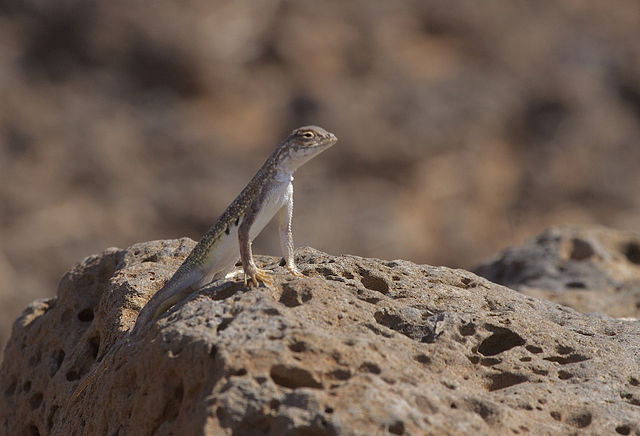
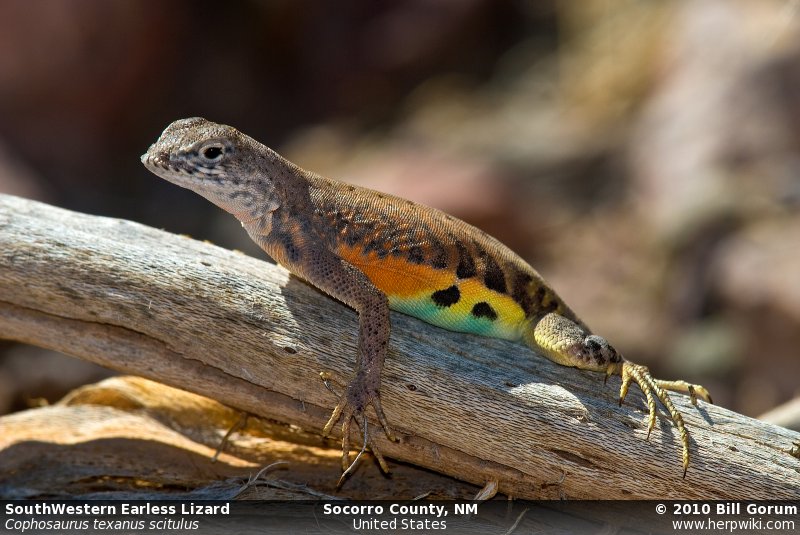
When I arrived for the fund-raising party on the equine rescue farm, my favorite local blues band was playing in the shed where the feed for the animals is kept. A friend waved me to me through the window, encouraging me to come in and dance. There was a hole in the cement that I quickly learned to dodge, even while my dance partner spun me and swung me in and out. He pointed out a beautiful lizard running across the floor. It had patterns in its scales that reminded me of the eyes in peacock feathers done in shades of brown, probably a Holbrookia Elegans—elegant earless lizard. It ran into a corner. The band admired it and kept playing.

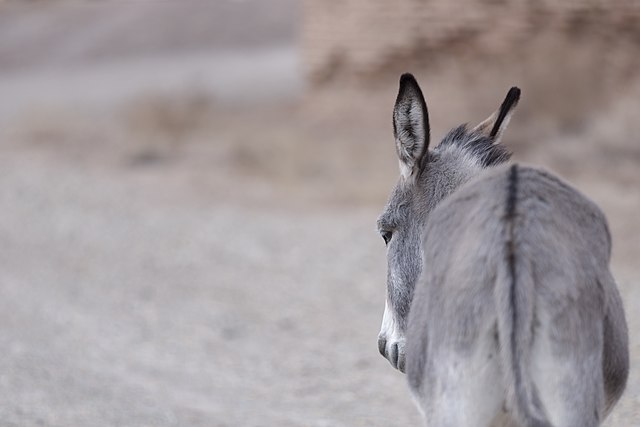
Most of the guests sat around tables outside and on the porch of the house, drinking, eating the potluck dinner. The view of Turtleback Mountain and the rough dirt hills was stunning, Bright blue sky, 101 degrees, a fine June evening. In a pen behind the shed where the band was playing were two gray-and-white donkeys, a white pony, a tiny brown-and-white mini horse, and a couple of mules. The pony was apparently upset with the mini horse, charging at him, kicking up dust. I approached the pen to pet the donkeys, and they both turned their backs to me. I took it as rejection, but was later informed that it was a gesture of trust. They were asking me to scratch their butts. I just don’t speak donkey.
When I returned to the shed, one of the party-goers was drinking tequila straight from the bottle. He was a round-bellied, very white man with tattoos on both arms and long white hair, but a rather young-looking face. He lives across the dirt road from the donkey farm, and said that he felt fine drinking the tequila, since he only had to walk home—which could still be a bit hazardous, though safer than driving. One night, he had stumbled and spent about twenty minutes in the ditch, which we agreed sounded like it could be a blues song. “Twenty Minutes in the Ditch.”

He said, “You can do anything out here that you want, and no one bothers you.” He also said there’s a cave you can see from Sixth Street, and that people sometimes live there for months at a time. I’m not planning on drinking in the ditch or sleeping in the cave, but it’s good to know that there are places that wild within the city limits. Dancing on the donkey farm was wild enough for me.

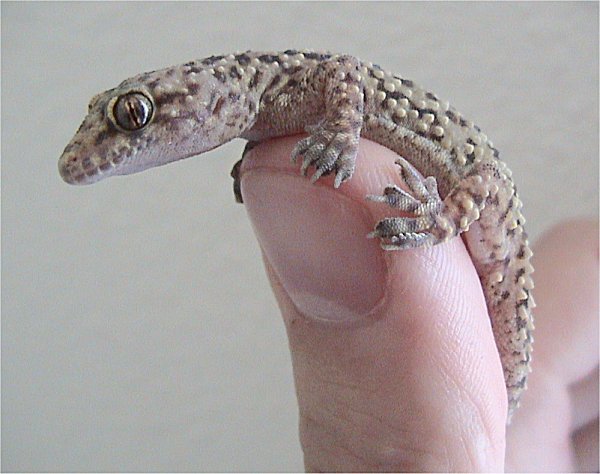
How to Rescue a Gecko Stuck in a Roach Trap

I’m posting this as a public service to anyone who may in the future find a gecko stuck in a roach motel. You may think you don’t need this information, but next year or five years from now, you might. And you’ll remember. And a gecko may live to hunt bugs for another day.

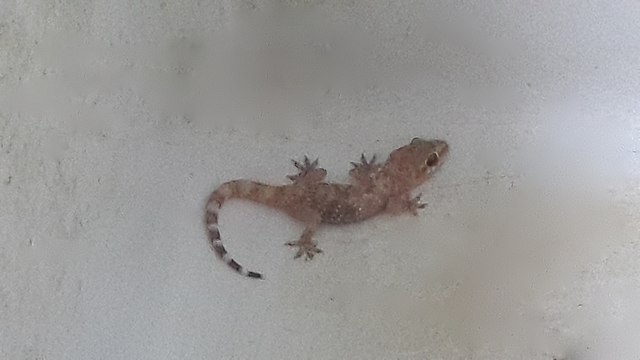
If you live in a warm climate, especially in a city with aging infrastructure like Truth or Consequences, no matter how clean your home is or how diligent your exterminators, roaches sometimes sneak in under door. Hot places also have lizards, including cute little Mediterranean house geckos that eat roaches. Technically, they’re an invasive species in New Mexico, but the bugs seem more like invaders. A tiny nocturnal lizard that dines on the enemy is a good neighbor. I like house geckos. They have important cameos in several of my books, especially the geckos on the window screen at the end of Soul Loss.

The other day, I opened the door to my apartment, and a gecko dashed inside. It was pink with red spots, enormous eyes, and a long slender black-and-white striped tail. A perfect tail. The sign of a sheltered life. No close encounters with predators had snapped off a single stripe. My first thought was, “No, no, don’t go in the roach motel!” I caught the gecko in my hands, but it escaped and took same path a roach would take. Straight behind the refrigerator and into the trap.

My attempts to free it failed. A neighbor suggested water might soften the glue. I drizzled a little warm water onto the trap, but the glue held firm. The poor gecko died—of exhaustion and stress from struggling against the glue, I could say, or perhaps it died from terror of the humans hovering over it. But the sad truth is, the gecko died from our failure to think of looking up how to save it.

Late at night after this distressing event, when I should have been working on a book, I wondered if I could have saved it. To my amazement, my search immediately turned up an article on saving a lizard stuck in a roach motel.

I was as surprised as the author of the article was when she’d searched for the answer to the same question and found numerous results. She, fortunately, had the presence of mind to do research while her gecko, a volunteer housemate-not-quite-pet, was still alive. She saved him.

Using information from her article, several others, and some videos, I’ve compiled the steps in rescuing a stuck lizard, in case any of these older resources become unavailable.

  1. Stay calm, and maybe your gecko will, too. Geckos can live a long time without food or water. As long they and their rescuers don’t panic, the situation is manageable.
  2. Cut away the trap around the lizard to make it easier to free him, but not so close that you risk cutting him.
  3. Assemble the rescue kit: Q-Tips and vegetable oil and a damp paper towel. Put some oil in a small dish and dip a Q-tip in it, then slowly rub around lizard, so the oil works its way under him. Be careful not to use much pressure. Don’t pour the oil. It’s not good for lizard skin. Use only the Q-tip.
  4. Very gently, move him around, like a subtle wiggle. This unsticking process can take up to an hour. As you free one part, cut the trap out from under that part so he doesn’t get re-stuck. I think you possibly could, as an alternative, stick a piece of paper firmly over the glue once a tail or limb is free, so you don’t have to use scissors or a knife again near the gecko. I found videos in which people used lightly oiled latex gloves to ease their fingers under the lizard once the oil around its perimeter had a chance to work, and then they ended up with the whole lizard on their hand.
  5. Place your liberated lizard on a damp paper towel to rest and get the oil off. Geckos can “drink” by absorbing moisture through their skin, so they should not remain oily. A man in one gecko rescue video actually wiped his lizard down with wet paper and then let the lizard rest and chew on the paper for moisture. (This was a gecko who lived in his home and knew him.)
  6. Either get rid of your roach traps and welcome your new bug-eating roommate, or put the lizard outside.

My neighbor told me the next day that he’d mentioned our gecko tragedy to a friend who immediately told him about the vegetable oil method. Gosh. This apparently happens so often there’s an established rescue technique. I hope I never have to use it, but at least I’ll be ready. And you will be, too. Share this widely with others, even if they think they’ll never need it. You never know.

On behalf of house geckos, thank you.


Checkered Present

Now that I have more social and community interactions, I have new kinds of noise in my head. Did I say something awkward? Did I listen well? Did I lose my social skills over a year of seeing only a few people, usually one at a time, outdoors?

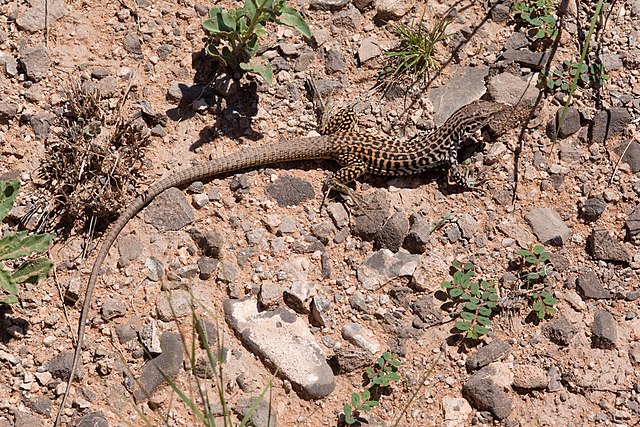
I came through the front gate after a day of “peopling,” as I’ve heard it called, when movement on the far side of the yard snagged my attention. A lizard was heading my way. All the inner chatter stopped. So did my movement. The animal scurried to a spot of shade a few inches from my feet and angled its head up to examine me. And I examined it—a good-sized checkered whiptail with a dark-and light pattern on its legs and body fading into tiny, delicate squares on its tail. We held eye contact until I moved my head to get a better look, and the lizard sped off to another patch of shade. In our brief encounter, it had done me a service. Popping the thought bubble with present-moment awareness.

Hugging a Wasp and Other Encounters

I walked the road along the Rio Grande, going well past the areas where people fish or put in rafts, far enough to be alone with the cliffs, the cacti, and the red-winged blackbirds in the shrubs on the bank. A huge blue heron flew low over the center of the river, gliding upstream. A jackrabbit on the opposite bank crept down to drink. The shared silence felt special. I was at peace. The rabbit was at peace.

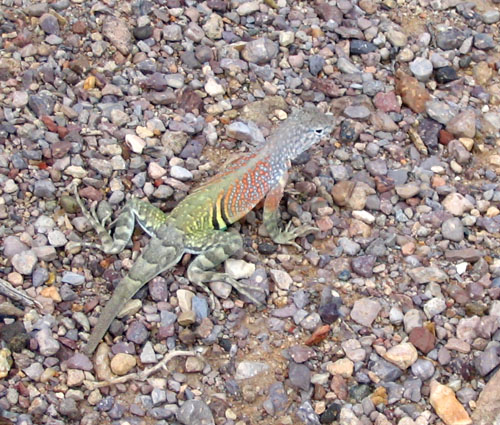
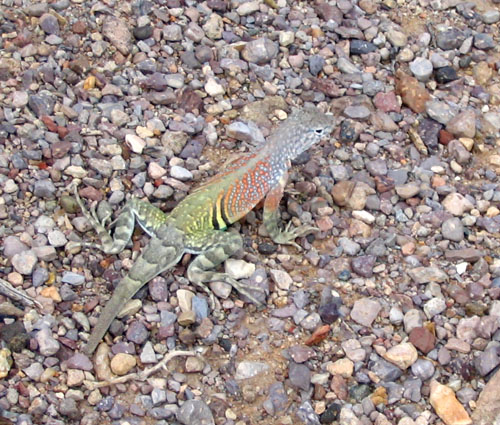
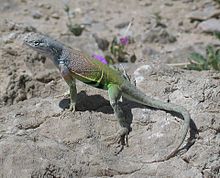
The rainbow-like greater earless lizards are one of the many beauties of Elephant Butte Lake State Park. There’s one who lives under a certain juniper at a bend in the trail where I run. She was pink-sided earlier, and now she isn’t, meaning she has laid her eggs. Now she’s just green and orange. I look forward to seeing her on her favorite rock when the temperature is in the eighties and low nineties, and she needs to warm up, holding still as I slow down to admire her.

I spotted another of this species standing upright on its hind legs near an empty campground, front feet on a flat-topped pink rock that was perfectly scaled to be a little bar for lizards. It looked so much like it was ordering a beer, I wished I had a camera. Not that I would go running with a camera, but it would have made a wonderful picture.

While picking figs outside my apartment, I accidentally cupped my hand around a small delicate body. A wasp. Not the kind that crawls inside a fig to lay eggs, but the kind that stops by to eat after the birds have carved holes in the fruit. They’re a stunning variation on the theme of wasp, adobe brown with yellow stripes and geometric designs on their backs. They remind me of some pottery ornaments I bought years ago at a Pueblo corn dance as gifts for my family. It didn’t react to my touch, and I let go, surprised by its gentleness.

All quail family encounters are aww-inspiring. The chicks are SO tiny and so numerous, running to keep up with their parents.

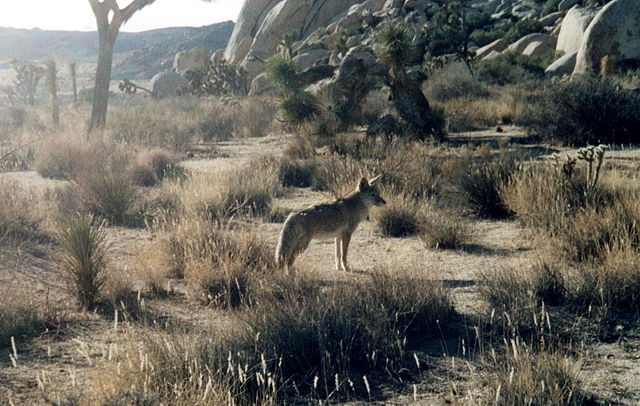
And then, there were the coyotes. One crossed my path in the desert, looking back at me. Then another, paying me no mind. The lack of people in the park may be making them feel free to roam their territory in ways they wouldn’t in a normal year. They’re such a rare sighting, especially in the middle of a summer day, I took them as a sign. Not that they were there for me, of course.

I perceive these various creatures—in my human way—as cute, beautiful, or meaningful. We’re connected in the web of life, and my spirit needs them. But none of them are there for me. That’s part of the magic of wild things.

Relief and other updates

The relief feels wonderful and yet disorienting. It’s hard to adapt. I have my life back. Book seven in the Mae Martin Psychic Mystery Series, Shadow Family, is with my editor now. I sent it off last night—actually, at around 3:30 in the morning. I know my editor will be sending me sections to revise, but today, I can think about the next book. I can even write a blog post.

Relief came with rain as well. September is still summer, the grand finale of the monsoon season, with temperatures in the eighties, cooler than August by a long shot. It’s rained three times—one drizzle, one thunderstorm with hail and two inches of rain in two hours, and one nice steady all-night rain. Wow! The jewel-colored greater earless lizards need to sunbathe and get warm. When it’s cloudy, they hug the rocks with their wee limbs, seeking every last bit of sunbaked heat from the surface. The baby lizards are out, flawless miniatures of the adults, no bigger than a bug with a tail. I marvel at their toes, and at their orange stripes and green legs, their little eyes blinking up at me. Desert plants are in bloom, yellow chamisa and something purple—maybe some kind of sage. And with all the rain, Turtleback Mountain is more green than red.

The other night I went for a walk with a friend and his dog, hoping to see bats over the wetland by the river, but it was too windy for them. As we were leaving Rotary Park, which is right on the Rio Grande, a coyote started yipping and singing on the bank directly below where we’d been standing a minute earlier while my friend took a dead bird away from his dog. The dog, strangely, wasn’t interested in the coyote, only the dead bird. A whole coyote chorus started across the river as the one on our side would sing and the others would answer. The dog still didn’t care.

White rabbit update. First, her former owner said he only had females, so I’m now calling her “she.” Second, she’s been chased by dogs and by a cat, and someone sprayed weed killer on all the plants she used to nibble on in the yard of the empty trailer across the alley. Fortunately, she finds shelter in our yard. I decided to feed her nightly after all, because I’m going to try a new way to catch her. Her future owners brought a live trap, and we baited it with sliced pears and fresh greens. It may be shocking for her to go to her usual buffet and have a door close behind her, but she’ll escape predators and poisons to be loved and petted. And then it’ll be her turn be relieved. If all goes well, her new owner will show her in the county fair. Because she is so beautiful.


Desert Encounters


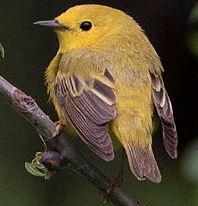
The hind end of an animal I’d never seen before in this stretch of desert silenced my thoughts. Whatever it was, brown and furry and scurrying, stub-tailed and about the size of a rabbit, it made me aware. The novelty of birds with bright yellow feathers broke into my thought-cycle also as I ran—yellow warblers migrating through (at least I think so; I’m not a bird expert, just an admirer). A quail atop a bush, its crest profiled against the blue sky, brought another moment of surprised inner stillness. Quail are usually running on the ground. It’s the lizards who pose.

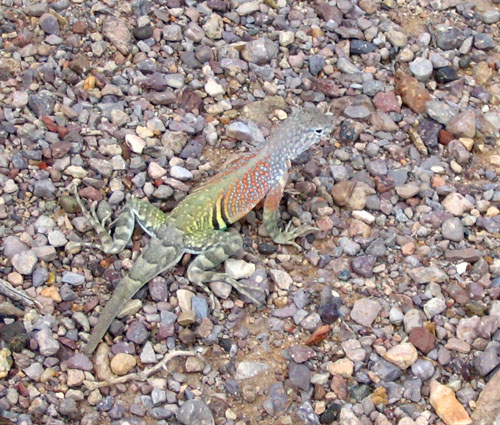
I stop for lizards. A lesser earless lizard, no bigger than my thumb, has little bright eyes and long golden toes, subtle gray-on-gray spotted markings, and tiny arms that enable it to do push-ups with flawless form. Its miniature legs run faster than I can. The greater earless lizards seem to be showing off their green hind legs, their side stripes, their green-and-orange forelegs, and the rose patches on the females’ flanks. I’m sure they’re displaying for each other, but I appreciate the show. Everything else on the ground blends in—brown or gray—but they glow. It seems odd for small, delicate, ground-dwelling creatures not to be camouflaged, but they flourish, maybe because they like the heat and nothing else does (except crazy runners). Their body ideal temperature for activity is 101 degrees. I observed a large one getting brighter the longer he baked. On my third lap of the trail, his orange stripes were radiant, as if he had to be heated properly to light up.

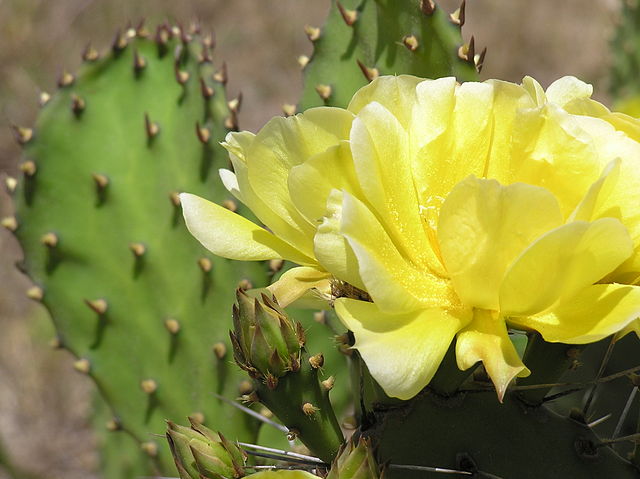
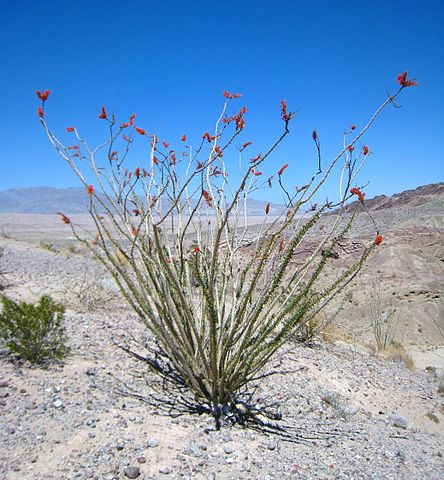
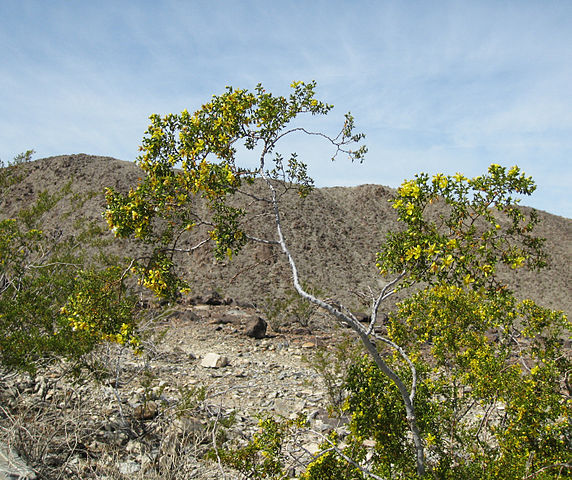
The prickly pear cacti are blossoming, bright yellow. Creosote bushes have small yellow buds. Ocotillo blooms shoot out like red-orange flames on the tips of slender, bare stalks. The yellow birds are posing on them, contrasting with the flowers, and perching among the creosote branches in a yellow-on-yellow match.

The birds-and-flowers encounters make me stop in awe. Yes, I’m running, but there are moments not to be hurried.


Knowledge and Perception

During the month of August, there were so many events scrolling through the electronic sign over the entrance to Elephant Butte Lake State Park that someone decided to remove the time-temperature-and-welcome from the cycle of reminders and announcements. Once I got used to not seeing those numbers when I rounded a high point on the trail with a view of the sign, I realized how absurdly attached I’d gotten to noting exactly how many minutes it had taken  me to reach that spot and whether the temperature had gone up a degree. I enjoyed my runs more without this information snagging my mind.  Now that there’s less going in in September, “Welcome to Elephant Butte Lake State Park 1:36 p.m. 87 degrees” is back. It still takes me exactly twenty-four minutes to reach the point where I can see it, and I can tell how warm it is without looking. What is it about numbers and measurement? Or even the desire to know something just because it’s there to be known?

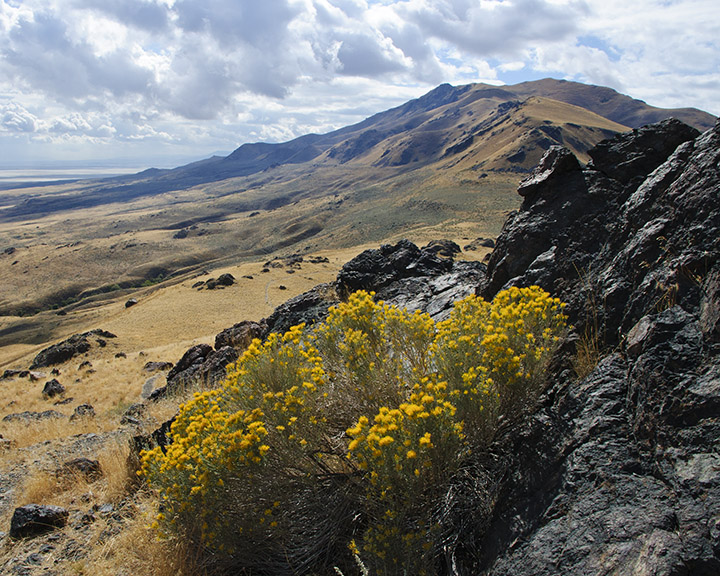
I don’t have anything against knowledge. Practical knowledge enhances life, and useless learning is fun.  I spied a large, almost squirrel-sized, New Mexico whiptail today. She did one pushup and disappeared under a bush. My useless knowledge informs me that she was a she because they all are—our state reptile is an all-female species.  Trying to identify a delicate purple flower I admired, I searched online in vain, but I learned that among New Mexico wildflowers there are plants called Water Wally, Hairy Five Eyes, Bastard Toadflax, Blue Dicks, Redwhisker Clammyweed, and Bonker Hedgehog. (The last one is a small cactus.) I still don’t know the name of the purple flower. I think its bright yellow companion is snakeweed, but it may be chamisa. Chamisa’s botanical name is Ericameria nauseosa, which makes me want to create an unpleasant character named Erica Maria in some future book. This plant, or its purple friend, smells wonderful, not nauseosa, and that perception is a greater joy than the satisfaction of acquiring a fact such as its name. Globes of yellow blossoms on green stems and taller stalks with tiny purple blooms glow against the pale brown sand, and a rare whiff of floral sweetness surprises me as I run past. At exactly the same speed whether or not I measure myself.

*****

Enjoyed this post? You may also like Small Awakenings: Reflections on Mindful Living.

Eight plus Eight Equals Awareness

The dread of being stuck with an inconsiderate neighbor plagued me while I ran, as my mind rehearsed all the ways the problem could get worse and all the steps I might have to take to get it resolved. After all, there was only one good scenario: him moving out. But the bad ones seemed endless, and my mind seemed compelled to explore all of them, including having to move to get away from him. For me, his worst disruption of our previously serene little community in our building has been smoking (and stinking up my apartment!) although smokers are required to go off the property, not even in the courtyard, to light up. Worry clings to the mind in pursuit of a solution, even if there’s none possible at the time. Granted, this can be a preparation for coping, but I don’t go out in nature to worry, so I started counting the negative thoughts. Once I notice a pattern, it’s an effective way to interrupt it and make a particular worry into a practice rather than a torment. It came back eight times in four miles. With each return, I was no further along in solving the problem, but I was more aware of clinging to it and could let it go more quickly, to return to awareness of my movement and my surroundings. After all, if I can focus that intently on a negative, I apparently have the capacity to focus equally on something else if I chose to do so.

It was the day after a big rain, a cool eighty-two degrees, and that brought out the lizards. I saw eight greater earless lizards, evenly distributed along the trail, one about every half mile, and I paused to admire each of them. Their sleek gray heads and necks. Their glowing orange sides with diagonal black stripes. Their orange upper arms and radiant blue-green forearms. Their green hind legs and tail that seem lit from inside like a stained glass lamp. (The pictures don’t do justice to their true colors.) Most of them posed or did push-ups, as if showing off their jewel-like skins. Normally, I feel lucky to see just one, so this was an extraordinary bounty.

When I got home, my landlord let me know he was giving the smoker a thirty-day notice to vacate the premises. I wish the guy would leave sooner, but the point is, I hadn’t needed to keep thinking about it. I’m glad I was able to pop the worry bubble often enough to enjoy the weather and the lizards.


Change

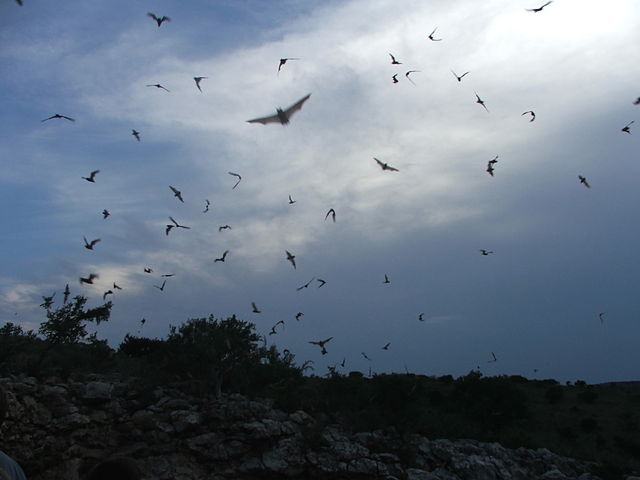
The bats have relocated. It’s an unwelcome change for their fans, but it was inevitable. They couldn’t stay in a man-made structure forever.

The old warehouse where they resided has been sold and cleaned out, and repairs are in progress. The building was crumbling, and the bats, delicate and magical as they are, made it stink. The man working on the place said the bats were welcome to back if they wanted to for now, but of course they don’t want to. He had the doors wide open and daylight was pouring in. The building is going to be converted into several apartments. As one of my neighbors said, even bats have the sense not to like developers.

Years ago, the bats lived in the Methodist church, also known as the pink church. Then, after a fly-out, the church had wire mesh installed over the vents so the bats couldn’t come back in. They moved to the warehouse. Now they’ve moved again. Bat lovers in the T or C hot springs historic district have been watching the sky at sunset. Our little relatives are still around, though in smaller numbers, and we don’t know where they live now. We’ve checked various possible new bat homes. The Baptist Church. No bats. The ice house, an empty building between Rio Bravo Fine Art and the community youth club. No bats. Though I miss the clouds of them in the evening sky, I hope for the bat colony’s sake that they have moved to a nice private cave on protected land where they can stay for generations.

Several evenings ago, I took a sunset walk, and a few bats hunted bugs over the streets. I counted seven bats fluttering over the river and the wetlands, but I couldn’t stand by the water and be immersed in them. And gnats are gathering on my ceiling again, though only by the dozens, not swarming the way they do when the bats are entirely out of town.

A speckled and striped gecko, no more than an inch long, with a rosy patch on its tiny head, was attempting to sneak into my apartment when I got home from running today. I was tempted to allow it to move in. It was cute and it would eat gnats. But I caught it, admired it, and carried it across the courtyard to a rocky area under a tree. Better for all of us, in the long run.

Grateful for Beauty

The world we see through headlines seems to be falling apart, filled with violence and dysfunction, and ordinary life can be full of petty hassles. I need to get out in the natural world where life is more in balance than in the man-made one, and do it daily. Before the temperature goes over a hundred and after it goes down.

 The same conditions that make June in New Mexico so challenging during the day—no humidity, no clouds, hot winds clearing the sky—make it spectacular after dark. Even just standing in an alley, a short way from the streetlights, I can look up and see not only the bigger, closer stars, but the background billions and billions sparkling like a beach of diamond sand behind them.

 Heat and all, I still run, heading out while the temperature is only in the nineties. As I was about to start a run a few days ago, I encountered a grasshopper longer than my index finger. Yes, it held still and let me measure. Its head was marbled, its body striped and speckled, and it had golden antennae that looked like strands of broom straw. Beautiful, in its own buggy way. Along the trail, pearlescent gray lizards with radiant orange bands on their sides perched on rocks then ran away. Another species displayed glowing blue-green hind legs that appeared lit from within. I think it’s some kind of collared lizard or perhaps a type of earless lizard, but I couldn’t find one quite like it when I searched on web sites. Whatever it’s called, it’s a miracle. So is having vision to see to it and a mind to appreciate it. For all of this, I am grateful.


*****

Southwestern earless lizard photo courtesy of the New Mexico Herpetological Society.