Whole Series Price Drop


Book one in the Mae Martin Mystery Series, The Calling, is now $2.99, and the other books are now $3.99. Buy from your favorite store and stock up your e-reader.

Need to keep track of your place in the series? Here’s a guide to the dates and settings and sequence. Follow psychic and healer Mae Martin from North Carolina, where she first discovers her gifts, to her new life in New Mexico. Happy reading!

You know you’re in New Mexico when there’s a lizard on the dance floor.

When I arrived for the fund-raising party on the equine rescue farm, my favorite local blues band was playing in the shed where the feed for the animals is kept. A friend waved me to me through the window, encouraging me to come in and dance. There was a hole in the cement that I quickly learned to dodge, even while my dance partner spun me and swung me in and out. He pointed out a beautiful lizard running across the floor. It had patterns in its scales that reminded me of the eyes in peacock feathers done in shades of brown, probably a Holbrookia Elegans—elegant earless lizard. It ran into a corner. The band admired it and kept playing.

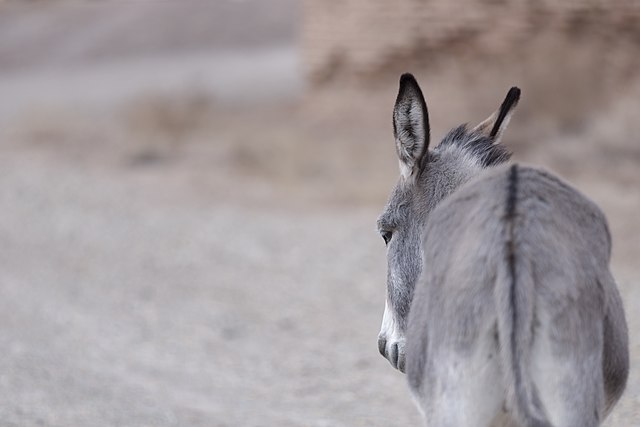
Most of the guests sat around tables outside and on the porch of the house, drinking, eating the potluck dinner. The view of Turtleback Mountain and the rough dirt hills was stunning, Bright blue sky, 101 degrees, a fine June evening. In a pen behind the shed where the band was playing were two gray-and-white donkeys, a white pony, a tiny brown-and-white mini horse, and a couple of mules. The pony was apparently upset with the mini horse, charging at him, kicking up dust. I approached the pen to pet the donkeys, and they both turned their backs to me. I took it as rejection, but was later informed that it was a gesture of trust. They were asking me to scratch their butts. I just don’t speak donkey.
When I returned to the shed, one of the party-goers was drinking tequila straight from the bottle. He was a round-bellied, very white man with tattoos on both arms and long white hair, but a rather young-looking face. He lives across the dirt road from the donkey farm, and said that he felt fine drinking the tequila, since he only had to walk home—which could still be a bit hazardous, though safer than driving. One night, he had stumbled and spent about twenty minutes in the ditch, which we agreed sounded like it could be a blues song. “Twenty Minutes in the Ditch.”

He said, “You can do anything out here that you want, and no one bothers you.” He also said there’s a cave you can see from Sixth Street, and that people sometimes live there for months at a time. I’m not planning on drinking in the ditch or sleeping in the cave, but it’s good to know that there are places that wild within the city limits. Dancing on the donkey farm was wild enough for me.

She Threw a Dart

 I’ve been reading old drafts I never posted, looking for lost gems, and found this:

It was one of one of  those talking-to-strangers encounters so common in Truth or Consequences, initiated by a bubbly dark-haired woman in the art-installation area of the ladies room at the Brewery. She enthused about the place and asked if I was local. I said I was, and then I asked where she was from.

“LA,” she said. “I’ve been here six months.”

“Sounds like a really positive change,” I  said. “How did you decide on T or C?”

“I thew a dart.”

I must have looked puzzled. She explained, “I spread out a map and threw a dart, and it landed it here. So I came.”

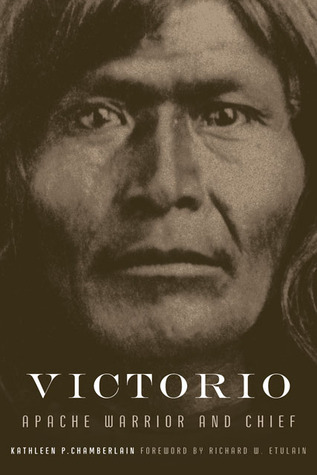
Review: Victorio: Apache Warrior and Chief, by Kathleen P. Chamberlain

I once said—meaning to make a respectful acknowledgement to an Apache friend—that Truth or Consequences, the town where I live “used to be Apache land.” He replied, “It still is.”

Yes.

It still is.

*****

Living in New Mexico, a state with more tribal lands than most, I’m aware of the Indigenous cultures that thrive here. Reading this book made me far more aware of how the rest of us got here—the complexity of the fighting, negotiation, and politics. Geronimo is famous. A mural of his face greets you with a powerful glare as you drive into town. Victorio is less well known. His younger sister, the warrior and seer Lozen, may have more fame. But his story is worth reading. New Mexico’s story is incomplete without him.

The author did extraordinary historical detective work to reconstruct his life and the events that led to his death, his final battle. She explores Apache culture and pre-reservation life, and reveals the misunderstandings, failures, sincere efforts, and also the insensitive ignorance on the part of various agents of the U.S. and Mexican governments that drove Victorio’s band from their sacred land and its springs and drove them to keep fighting. Chamberlain’s analysis of the Apache wars is insightful.

This isn’t light reading, but it’s not dry or difficult, either. History can be a page-turner, even when you know how it ends.

Inspirations: From the Archives of the Little Pink Phone

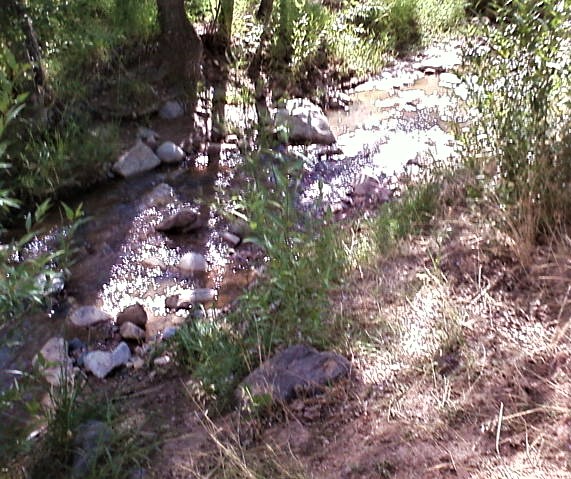
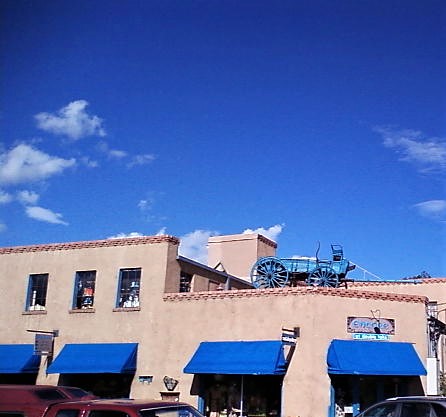
My sister called it a Barbie phone. It’s tiny and pink, circa 2009. I used it through 2019. I’d given no thought to the pictures on it for years, and had never downloaded them while it was my working phone, so I’m not sure why I finally did—but I’m glad I did. On it, I found pictures of Truth or Consequences and Santa Fe in the years during which my books are set. The work in progress, book nine, takes place in 2013.

When I took these photos, I was collecting material for my books. I chose the settings through Mae Martin’s eyes, her delight and awe in discovering New Mexico, and the feeling of deep change and emergence that her new home gives her.

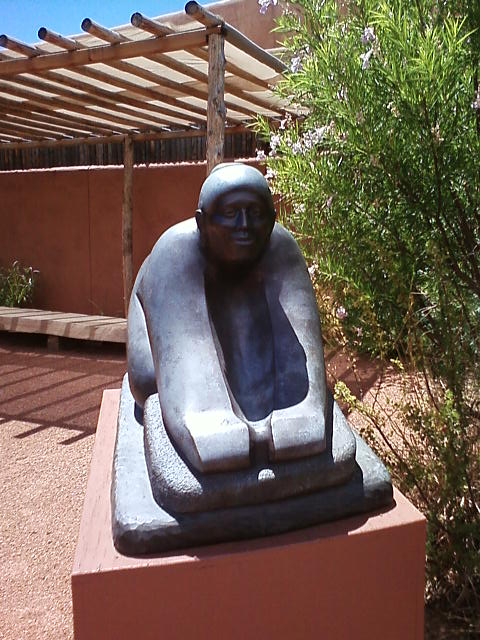
In Shaman’s Blues, Mae is often struck by the intensity of the light in Santa Fe. Encounters with outdoor art trigger key moments for her, for Jamie, and for the boy Jamie tried to help.

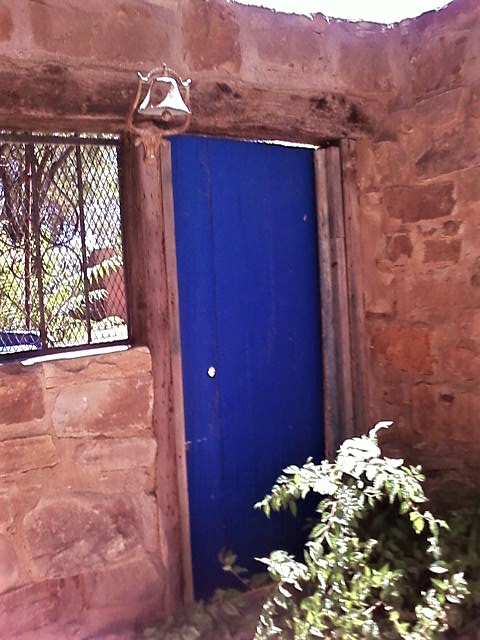
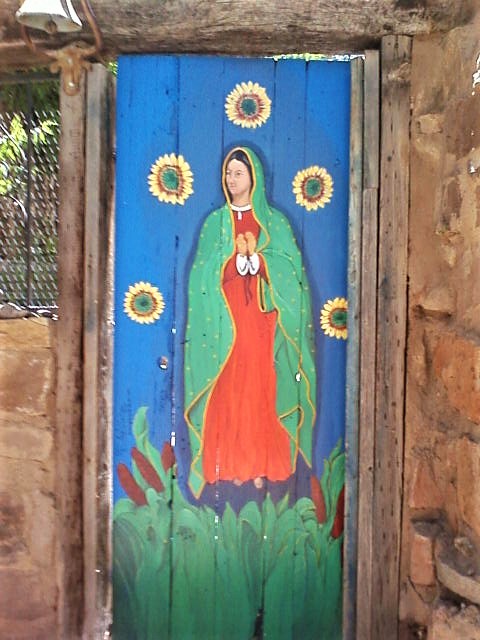
The nearly-dry Santa Fe River plays an important role, as does the image of the Lady of Guadalupe. I took a picture of this blue door in Santa Fe one year, and the next year the Lady had been painted on it.

As I look at the colors in my old pictures, the book’s title echoes them. Blues.

I’ve also photographed settings that had meaning to other characters or played roles in later books, and will share some in future posts.

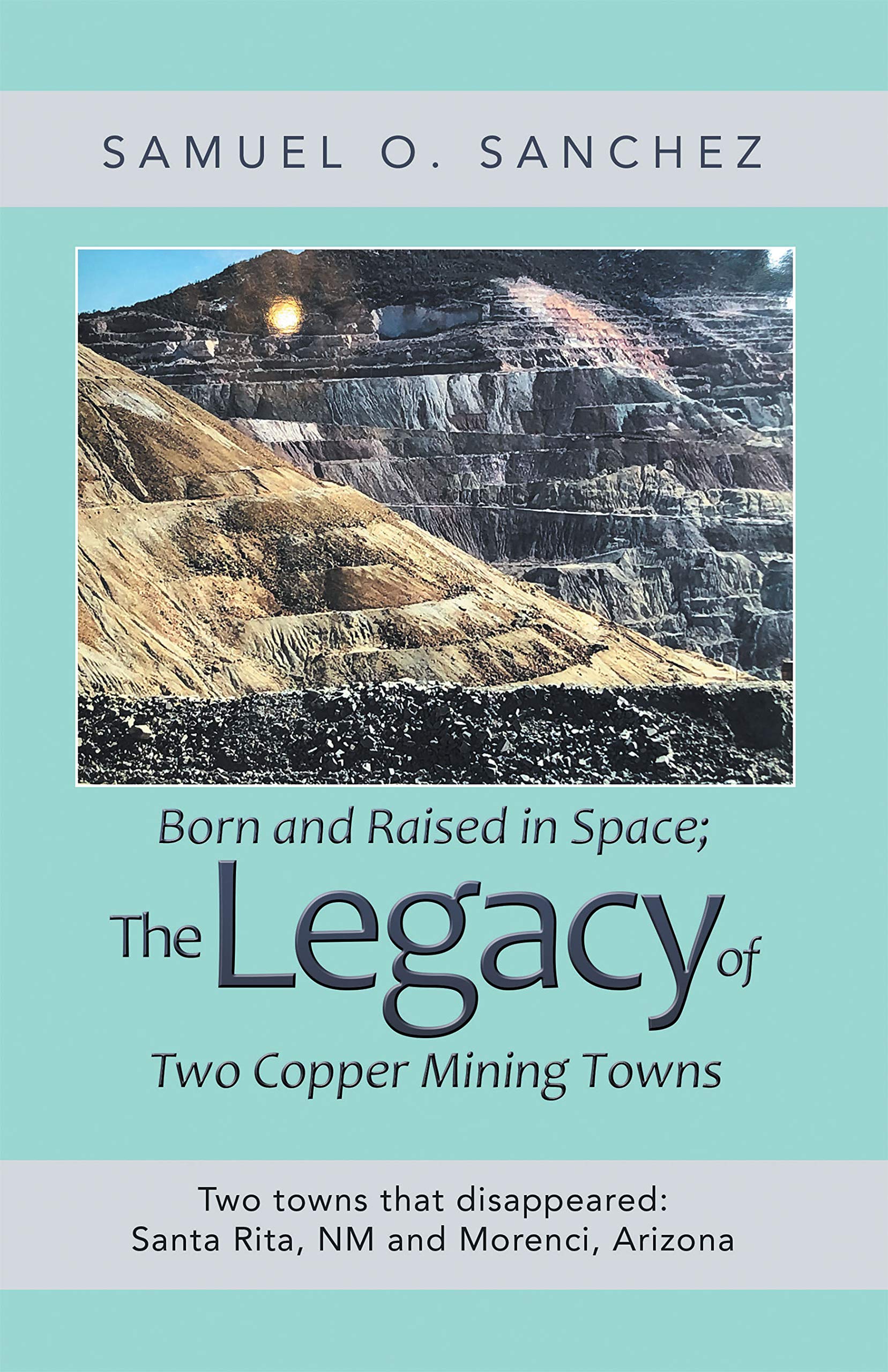
Review: Born and Raised in Space; the Legacy of Two Copper Mining Towns : Two Towns That Disappeared, Santa Rita NM and Morenci AZ

This memoir, told in short vignettes with often humorous lessons at the end of each, is an adventure as well as an intimate exploration of a man’s life from childhood to his elder years. The author portrays the mining towns where he grew up, Santa Rita NM and Morenci AZ, vividly. History is made up the lives of ordinary people, and such a close look at one life makes it clear that no one, really, is ordinary. Regular folks are colorful, original, and unique. This personal history also reminded me how much the world and the state of New Mexico have changed in one lifetime, how different the mid twentieth century was from the early twenty-first century, culturally, socially, and technologically.

Sanchez is fearlessly honest and impressively resilient. If he did something foolish as a boy or as a college student, he tells you. If his career or his love life went well—or not—he tells you. Reading this book is like hanging out with a great raconteur, a man with a long life, a sharp memory, and a willingness to take chances. An electrical engineer, he defies any stereotype of engineers as being on the boring side. I carried this story with me as my EV charging station read, so I was often reading it in public places and laughing out loud.

The author and his wife had the table across from mine at an event for local authors in Las Cruces, NM, and the subtitles and the cover picture on his book fascinated me so much I forgot to ask about the main title. I wish I had, because I don’t know what it means. Born and raised in space? Oh well. If you read the book and figure this out, let me know.

Last Gas

I stopped at $25.00, though the little car could have taken a wee bit more. I was only buying gas because it would be rude to sell the vehicle near empty. For a car that uses gas, the Fiesta is a wonderful thing. Forty mpg still, even after ten years and over 173,000 miles. I was getting ready to sell her to a neighbor who will give her a makeover and enjoy the fuel economy. He assured me I’ll get to see her, showing he understood how a person can bond with a car. She’s been a loyal companion, bright blue and beautiful, and I’ll miss her.

But not gas.

As I pumped, I looked forward to going electric and never dealing with the stuff again. The stink. The spills. The general griminess of it.

A guy on a motorcycle pulled up on the other side of the pumps. There were fancy leather saddlebags on his bike. He had a thick short beard and wore a cowboy hat, leather jacket, and aviator shades. When he walked into the station, his shoes made clinking sounds like spurs. I turned to look. The noisy shoes? Cut-away cowboy boots turned into a kind of slip-on mule. How he got the sound effect, I don’t know.

Nor do I know how his cowboy hat stayed on when he rode away.

At the next set of pumps, a skinny man with the kind of long white hair that you think is blond until you realize it’s nicotine stained got out of a battered, late 50s-early-60s car-truck, in the low, wide, sharp-edged style that was trendy once upon a time. The back half was pick-up truck, the front half was car—the mullet of the automotive world. It emitted a deep rumble when it pulled away, louder than the cowboy’s motorcycle.

I won’t miss gas. But I might miss gas stations.

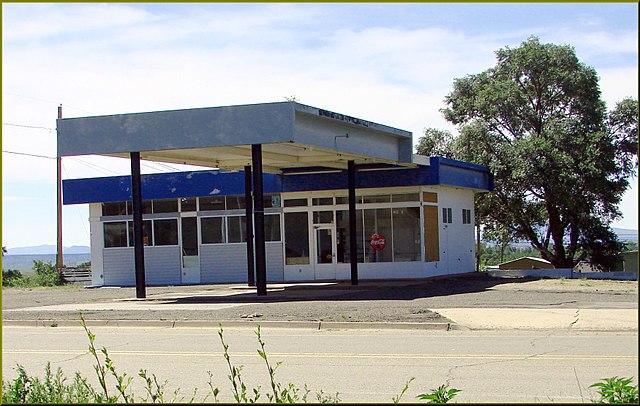
Image: Ghost gas station in Pecos, NM.

Space

Part of the appeal of the recent pictures of Mars may be the emptiness. No people. No buildings. Just rocks and dirt. It looks a bit like New Mexico. I’m fortunate to have access to open space, places where I can run alone and in silence.

My yoga teacher often guides savasana by reminding us to enter the spaces between the thoughts. One method of meditation is to attend not only to the breath but to the space between, the unforced transitional pause that’s neither inhalation nor exhalation. Likewise, there are spaces—small but deep—that are neither one thought nor the next.

When the to-do list is long and the calendar is full, spaciousness is still possible. The space between.


Scaring the Bluebirds

I felt bad for alarming them. They’d settled into the tall junipers on either side of the trail. But if I let them sit, I’d have never finished my run. So, three times, making laps of my favorite trail, I scared the newly-arrived flock of bluebirds into flight. Once they were aloft, it was moving, magical, a soul-stretching experience. Thirty or forty bluebirds, the males’ wings flashing like fragments of the New Mexico blue sky.

I have to upend my characters’ lives. Make them fly. It brings out the beauty and strength in them. No one wants to read a book about an easy life. We’d all like to have one, I suppose, but according to the concept of Flow, doing something difficult that we can master makes life interesting, not doing what’s easy. The character arc in a book and in a series is like that. Characters have to struggle and face setbacks before finally they arrive at some version of their goals, changed by the effort. And then, as they get comfortable in a new stage of life, the author comes around the bend in the trail again. The bluebirds take flight.

*****

Bird notes: I have learned that the Western Bluebird lives in most parts of New Mexico year-round, but some from further north may migrate here. This flock arrived in Elephant Butte Lake Park about a week before the state parks shut down again due to the pandemic. The closure may only be for two weeks, or it may last a while, depending how things go. My alternate running route is beautiful, but without bluebirds. I hope they stay the winter, and I can see them again. If I do, I will probably scare them again. I miss them, but I doubt they miss me.

Carport Yoga

After a long hiatus, I finally taught yoga. Not in a studio or a spa like I used to, though. Group fitness classes are specifically not allowed under current public health orders in New Mexico, a decision I support. But personal training is allowed. I taught a private outdoor class in a student’s carport, twelve feet apart so we could be unmasked even with deep breathing and with my voice projecting. A typical New Mexico carport is a detached shade structure, open on all sides, not part of the house, so the breeze blows through. Perfect for outdoor yoga. The cat walked through, giving us a humans-are-weird look. It was the first class I’d taught since early March, and she hadn’t taken a class since the end of February. I look forward to doing this weekly, the exchange of positive energy that is teacher and student.