A Tail and a Tale: Bob Can Talk His Way Out of Anything

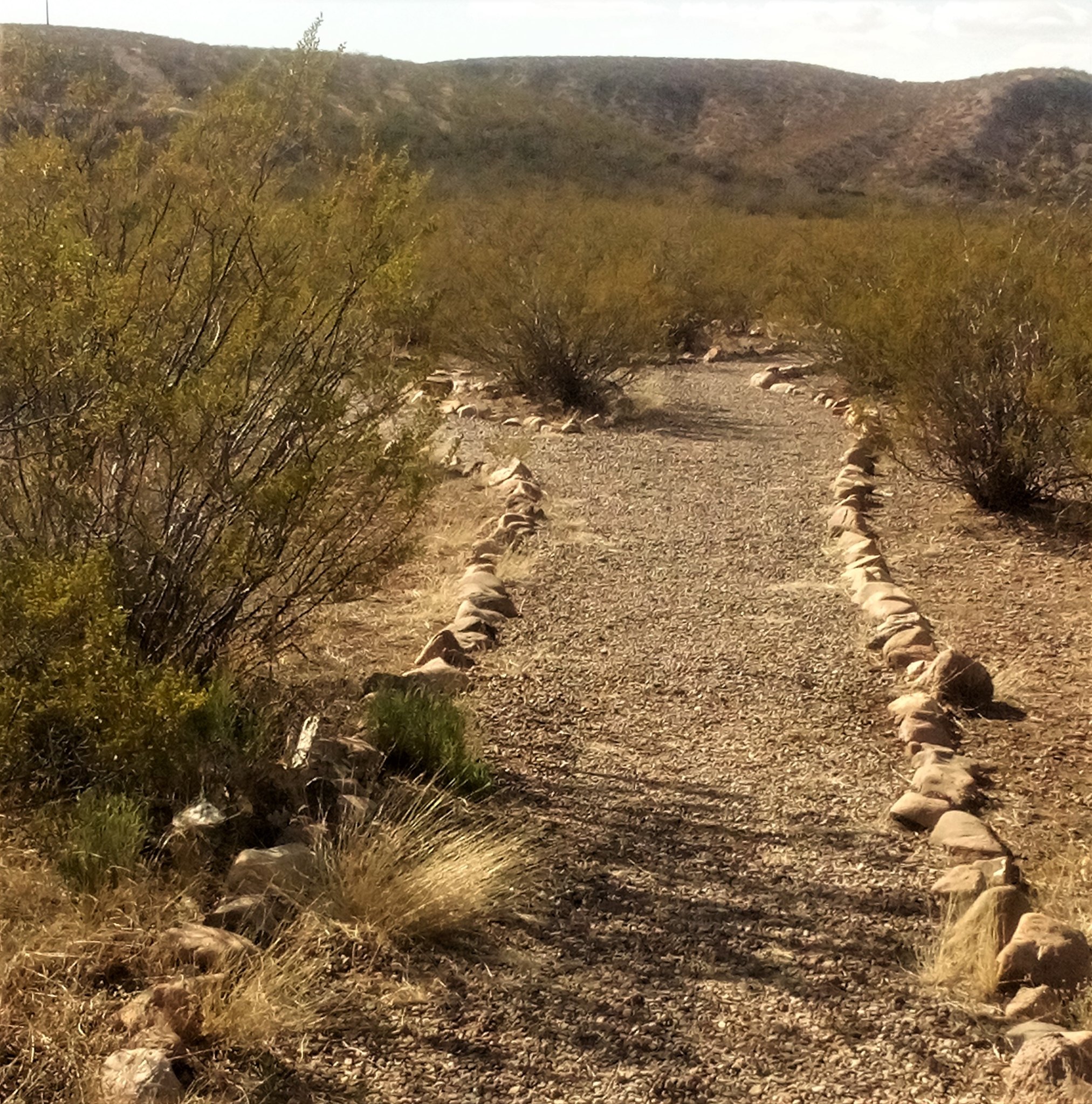
There’s a lot of wildlife we don’t see. The Rio Grande is low right now, making it easy to cross from the empty desert land on the other side. Tracks in the mud from recent rain showed small hooves trotting around on the mesa near Healing Waters Trail where I was running. I’ve never seen a javelina up there, but those were their little pointy feet. No surprise. We expect them around here. A friend sometimes has them in her yard.

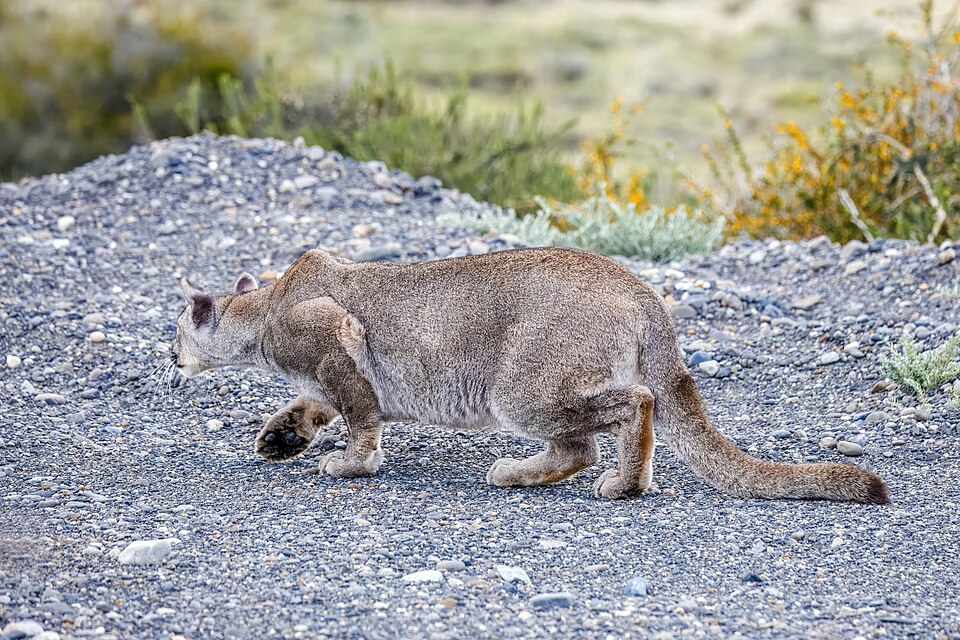
But I never expected to encounter a mountain lion. Its tail was toward me and it was sniffing the ground on the far end of the trail where it gets narrow and steep near the Veterans’ Home—my destination—so I didn’t get a good look at its head. I didn’t need to. Nothing else is that big, that color, and has a tail like that.

About a year ago, my friend Bob told me he’d looked out his window at night and seen a mountain lion. His bedroom window faces the mesa, not the rest of the Veterans’ Home campus. I detoured away from the animal and took an alternate route to go visit Bob. I told him about the sighting. Of course, he had a story.

He was much younger, hiking alone in upstate New York. He loved the woods and often spent hours exploring, but this was the only time he met a mountain lion. They met suddenly, practically face to face, and close enough that the cat could have reached him in a few bounds. Bob didn’t want to back away and look like prey, and he knew better than to approach. Feeling stuck, he improvised. He took his knife from his belt, held it up, and started talking.

“I know you probably want to eat me for lunch, and you could take me if you tried, but I’m warning you, you’re gonna get very scratched up in the process.”

The cat didn’t move, so Bob kept talking. It looked at him as if it was taking in every word. Finally, he took a step back, still holding the knife. Then another slow step. And they went their separate ways.


Uphill Against the Wind

High winds. No rain.
Hot air blows. A dangerously early spring.
This land I love could burn before it blooms.
I run on desert sand so dry
it slips beneath my feet.
I’m going nowhere.
Firm ground tempts me to linger
on a sheltered stretch of trail.
Jogging back and forth. Going nowhere.
A parhelion glows, an opalescent shell in the cloudy sky.
Rose, violet and mango hues surround a turquoise eye.
I change my stride, long and low, and lean into the gusts.
I can do this.
Uphill against the wind.

Never Tired of Miracles

Yes, I’m writing about rain again. Rain in the desert. I never tire of miracles.

I ran, despite the thunder, despite the lightning, daring the storm to get closer to me. The air was so soft, so cool, barely drizzling, not really a storm yet. Above, there was a blue hole in the clouds. The birds seemed excited, a pair of desert cardinals chattering and flying from bush to bush. Something in another bush made a loud ticking sound like someone running a stick across the slats of a wooden fence. I stopped in surprise, trying to see the source, but all I got was another noisy round of clicks. The temperature dropped down from the 80s to the 70s. I ran until the thunder moved in, and the sheer wall of gray across the lake became dark and solid, rain driving straight down from the sky as the gloriously cold wind grew stronger.

I finished my run a little sooner than I would have liked. I wanted to stay out on the trail, but the last time I’d lingered thinking, “Oh, that cloud sliding across the lake is just mist,” it turned into a storm that suddenly whipped through and drenched me. So this time, I left a little early, and the storm got stuck just behind the turtle on Turtleback Mountain. Still beautiful. Still a miracle.


I choose the dirt road

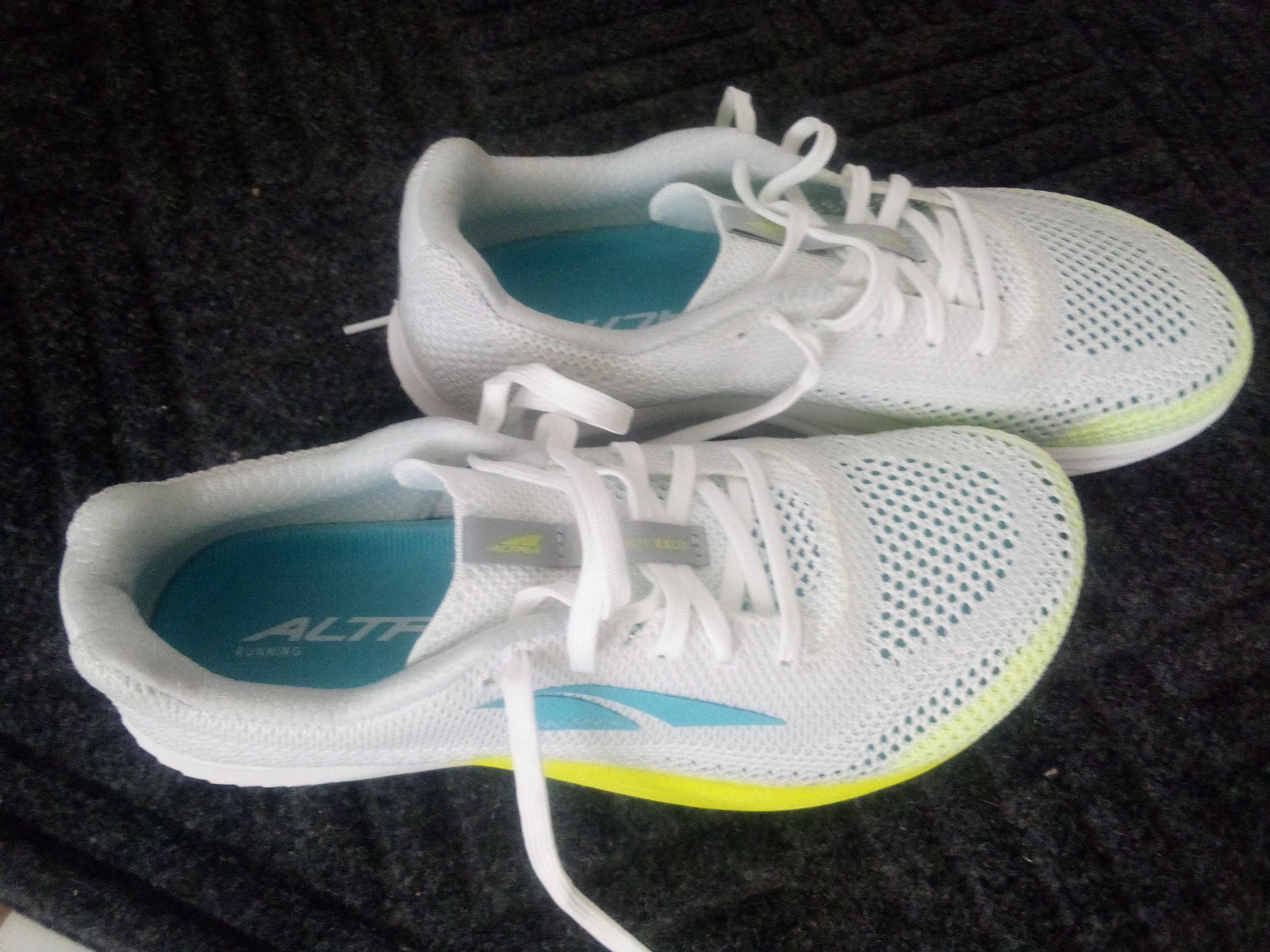
I wonder why running shoes are designed to be pretty. My new ones even have white soles with green and blue treads, as if the person behind me in a race should admire them as I charge ahead. But I run where no one is around to admire my pretty feet.

I meant to take the paved route to the edge of the Elephant Butte dam, but the dirt roads off the side stole my heart and soles. Pavement says nothing to my feet. It slaps back. Dirt has texture and depth. Each step on a dirt road is unlike the step before—soft, rocky, stable, slippery, flat, or uneven. My speed on dirt roads adjusts to the nature of each surface. And underfoot are such amazing finds. A desert flower that tolerates ten percent humidity and the battering of spring winds. In pausing for the flower, I also looked up at the mountains and dared the vertiginous view of the arroyo below.

History lay on both sides of the road. The dirt was dark as if blackened with soot, and in it lay chunks of sturdy white china. Mug handles, mug bottoms, plates, all so thick you could knock your breakfast off the table and nothing would happen to this dinnerware. But something did. One piece had words on the bottom indicating it was made in West Virginia. There was a substantial quantity of it. Friends who know local history think I came across the remains of a Civilian Conservation Corps work camp. If the dishes could talk, they’d have stories, for sure.

Two ravens glided past a red rock cliff, so synchronized I first thought one was the other’s shadow.

My new shoes have now been baptized in dirt.

A Mistake—or Was It?

I meant to go shopping in Las Cruces, an hour away. I was waffling about stopping at Caballo Lake State Park, a short way from home on my way south. It was such a beautiful day, I gave in to the urge. At the park’s EV charging station, I looked for my Charge Point card and found … no wallet. I’d left it at home. One of the perils of changing purses too often.

If I’d driven straight to Las Cruces, and not stopped to indulge in outdoor beauty and top off my charge, I’d have wasted my day. I might not have discovered the missing wallet until I had all my items at the checkout. I don’t even want to imagine that scenario. I considered going home for my wallet, but that would be twenty minutes each way. I gave up.

There’s a number on the station to call for starting a charge, so I called it, changed into my running shoes, and enjoyed the winding trails. Then I walked down to the lake. Smooth and blue, it was speckled with white pelicans, gliding along with gentle pumping and pulsing motions of their necks. A few men were fishing on the shore. A restful view.

I strolled back up to the area near the visitors’ center and found a sheltered place for stretching out with yoga, then sat on a bench near my car to relax in the sun.

A park ranger stopped by to chat about electric cars, one of those incredibly nerdy conversations only of interest to current or prospective EV owners, but fascinating to us. Charge completed, I drove home even more carefully than usual because I didn’t have my license with me—and far more refreshed than if I’d gone shopping.


Whose Season is It?

I’m not talking about the holidays, but about tourist season. And coyote mating season.

The local economy depends on the human snowbirds who flock here along with pelicans and sandhill cranes and other winged visitors to our lakes and the Rio Grande. My runs in the desert are no longer solitary. I must have met six different people today, ranging from dog-walkers to a man trekking with poles. The sky was a brilliant New Mexico blue with flares of white clouds, and the sixty-degree sunshine felt even warmer reflected by rock and sand.

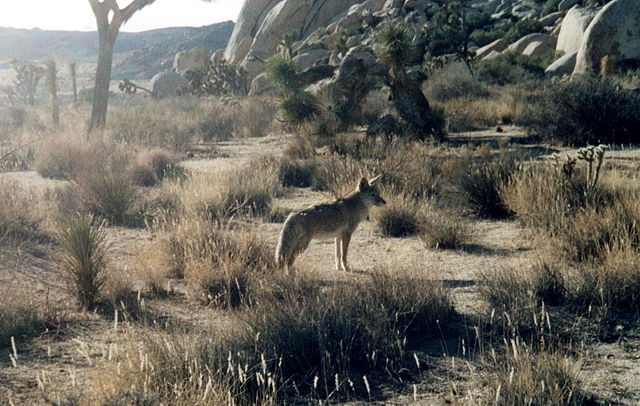
And then there was the coyote trotting past, trying to escape the human disturbances. Winter is the only time I see coyotes by day, out seeking a mate. I wonder how they feel when they keep hearing, seeing, and smelling us. Do we put a damper on the courtship mood?

I stopped, kept my distance, and let the animal have some space, then resumed my run. The encounter felt special compared to the polite smiles and greetings I share with hikers. Pure. Wordless. A glimpse of the wild world that still would be here if we weren’t.

More Rainbow than Rain and Another Bob Story: Two Small Miracles

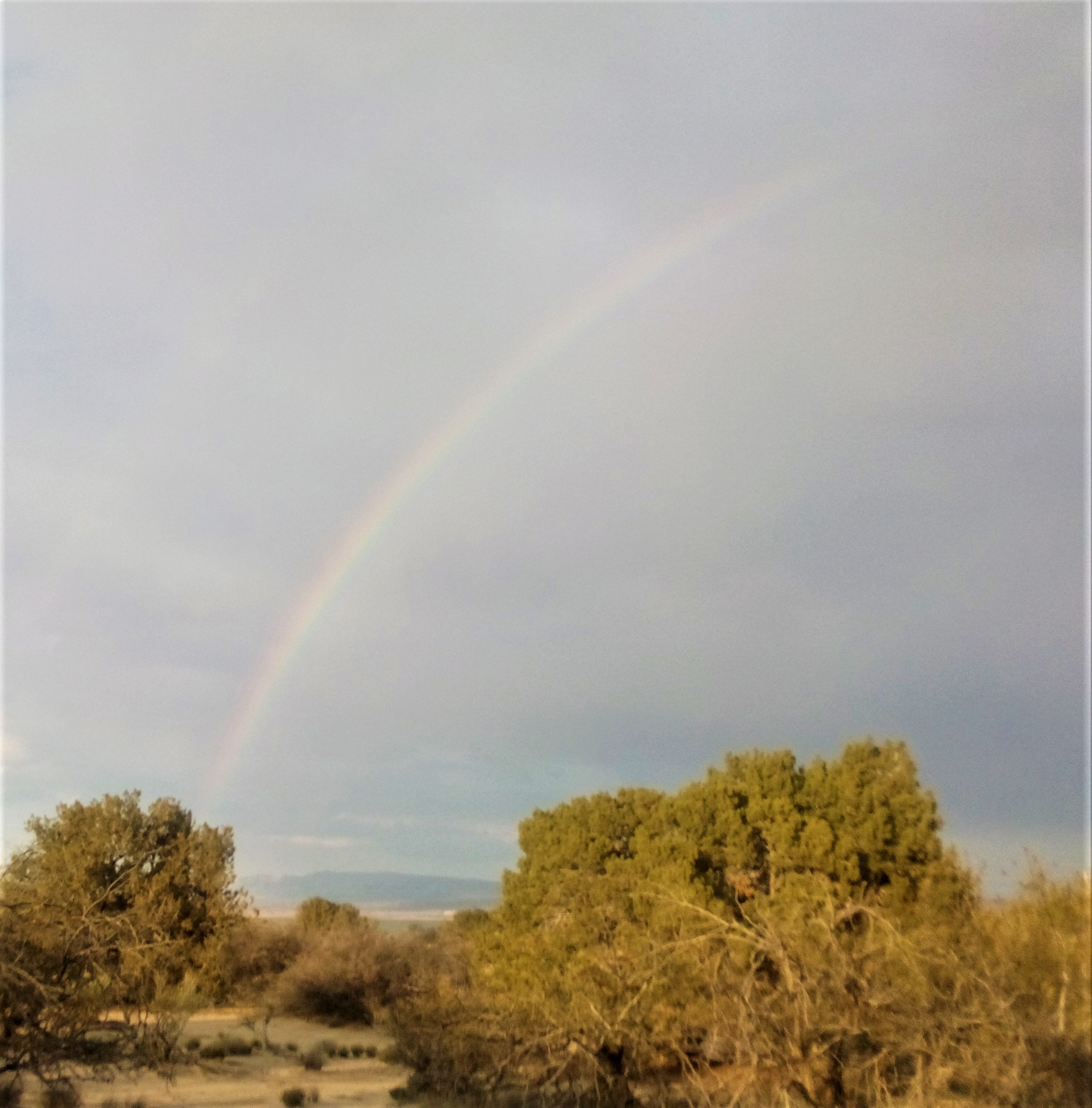
I headed to Elephant Butte Lake to run on the trails on a sixty-degree day. I didn’t expect rain, but it arrived before I got the park, and it dropped the temperature a good ten or twelve degrees.  I don’t chicken out on a run because of rain, though. And for the first time in my life, I saw the foot of a rainbow. The place where the pot of gold should be. The bright arc stood with its right foot on the lake, not far from the shore. I’ve never been that close to a rainbow. They’re always out there somewhere, over the mountains.

I ran and kept an eye on it. It faded when the rain stopped. But then a patch of shaggy gray virga on the eastern horizon lit up with a full spectrum of colors. Not really a rain bow, more like rain fur, but still beautiful. It faded. Drizzle came down, and a new rainbow appeared, this one in the normal place in the distance. Gone again. Another soft blaze of rain fur followed. The ground didn’t even get wet, and yet I was treated to four displays of amazing color. Well worth sticking out the cold for the full five miles.

It gave me something to tell Bob when I dropped by after my run.

Yes, that’s right. Bob. He didn’t die, though his doctors were sure he would when he got pneumonia at his age. His stepdaughter from his second marriage came all the way from New York to see him when he was in the hospital, and he perked right up. He’s not a hundred percent well, but he wasn’t before all this. His personality, his intelligence, and his wit are intact as are many portions of his memory, but not all. And he has balance problems. He’s moved to residential care, where I visit him often.

One of the first times I arrived to visit him, I found him sitting in a wheelchair in a hallway, appearing to nod off.  On seeing me, he said, “I feel like should know you.” I identified myself and mentioned that we had often gone bat watching together. “Bat watching …” He frowned. I said we’d watched sunsets together, too. He still frowned, muttering that he should know me, then suddenly he smiled, and his eyes twinkled. “You thought I was out of my mind, didn’t you?”

To have partial memory loss and pretend it’s worse for a laugh—and to act the part so well—that says a lot about the guy. He may live to be ninety. And still make jokes.


Rain Reunion

At first, there was only a thin veil over a butte on the far side of the lake. Dream on, I told myself. It’s not coming. As I ran five miles in the desert, blue-gray clouds thickened, and more rain veils hung over the mountains. When I neared the end of my run, the song of thunder rumbled. The wind picked up. The smell—petrichor, the most magical scent in the world—arose. I walked the contemplative rock spiral at the end of the trail, spent time in its center, and the rain grew closer and more promising. By the time I finished stretching, it was falling. I stood outside my car, face lifted to the sky, cherishing a cold drop on my chin. Another on my ear. Each touch was so precious, so longed-for, after five weeks of extraordinary heat, a non-soon season instead of a monsoon season. The reunion with rain was like being in love. The moment when you know you need to go, but you linger for one more kiss. The cool, sweet kiss of rain.

Novelty

I take requests at the beginning of every yoga class. The senior students in Gentle Yoga ask for “the same as last week.” It’s become a running joke, because the class is the same in some ways every week, but it’s also different. They become more capable and aware, so the same asana sequence is a new experience even though familiar. I also introduce novelty on purpose. Not enough to be confusing, but enough to make all of us engage more mindfully. I’m a better teacher when I challenge myself to instruct the basics in varied ways.

During this heat wave, I’ve been waking up ninety minutes earlier than I had been previously. I’d been writing late into the night and early morning, but that meant running in the hottest part of the day. I tolerate heat well, but I’ve drawn the line at a hundred and four. (I used to think ninety-nine was the max I should endure, but then I realized a hundred didn’t feel any different.) Anyway, the point of this story is: the change was not only instantaneous and easy, but it changed my perception.

I began perceiving annoying tasks I’d put off as being easier, and I got around to them. I managed my time better with less attraction to time-wasters. This was not a conscious, will-power based change, but a side effect. I made one alteration because running is important to me, and the other changes followed, as if I’d cleaned the filter on my brain, allowing it to operate more efficiently.

I plan to add something new to Gentle Yoga tomorrow. One new asana. One small yet significant change.

The Pause

When I catch myself pushing on and on, from one task to the next, I’ve intuitively begun to pause in between and do nothing. A few silent seconds of breathing and gazing at whatever’s in front of me changes everything. Then I carry on with greater equanimity and mindfulness.

Teaching yoga, I bring students back to a neutral pose between more challenging ones,  revisiting tadasana between warrior poses or dandasana between seated twists. In stillness and symmetry, we can feel the aftereffects of the previous asana.

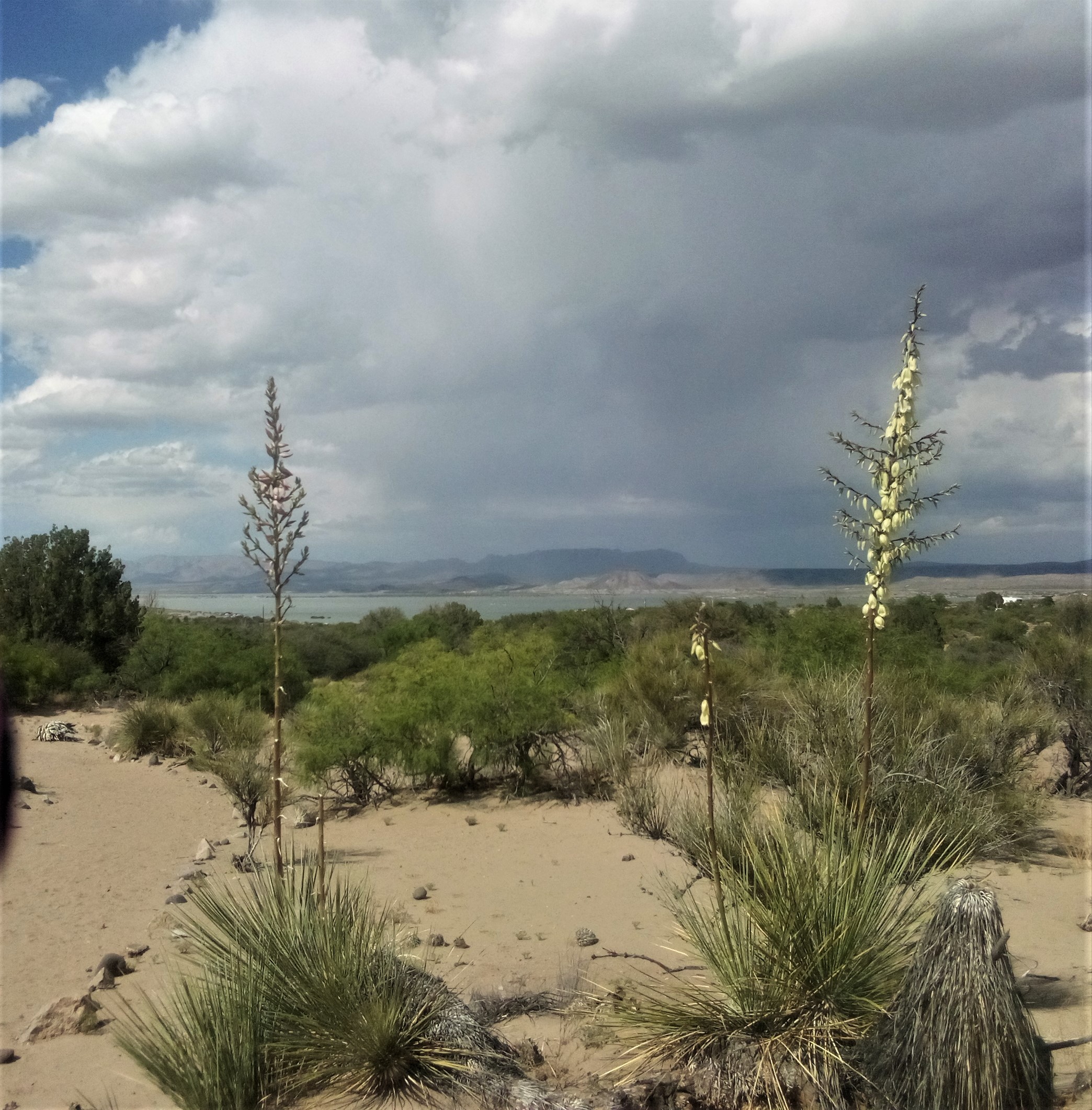
Pausing my run for a sip of water at the top of a hill, I discovered the clouds in the north were no longer distant but moving in and thundering, bringing the imminent blessing of rain to the desert. A multitude of yuccas’ spikes of bell-like blossoms stood out, green-white against the blue-gray sky.

The space between each breath, neither inhalation nor exhalation; the space between each thought, neither this thought nor that; the airborne space between each running step; the pause between lightning and thunder; the line breaks in poems, the rests in music; the dark sky between the stars, the blue sky between the clouds. Sacred space.