A New Mexico Mystery Review: The Tale Teller by Anne Hillerman

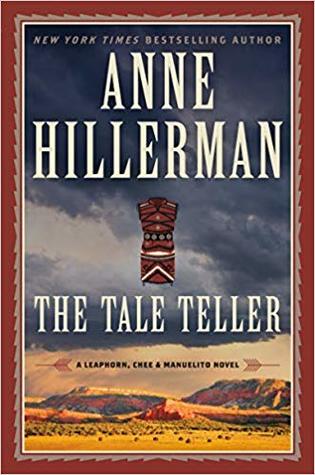
Anne Hillerman took her time to get to know retired Navajo Police Lieutenant Joe Leaphorn before writing a book that spends at least half its pages in his point of view, and her study of the character her father created pays off. The interwoven crime stories—a case Leaphorn works on as a private investigator and one Bernie Manuelito and Jim Chee work on for the tribal police—are told with excellent attention to police and PI procedures as well as the personal experiences of the investigators. I appreciate the realism of Bernie’s work days—she’s never just devoted to one case, but is pulled in various directions by minor crimes as well interacting with the FBI on a homicide.

The individual stories of the crime victims and the people around them are as intriguing the process of solving the crime. Hillerman skillfully weaves Bernie’s family and Leaphorn’s life situation into the plot. I grew so involved in his and Louisa’s relationship, it was as if old friends were having these difficulties. And for me, they practically are old friends. Hillerman writes as if readers already know her primary characters—what they look like, how old they are, and their history with each other. This far into a series, I prefer it that way. Little to no backstory.

The final scene with the killer was, as in so many mysteries, more confessional than struck me as likely, but on the plus side, the context was plausible. Overall, the pace and the complexity were excellent. And the threads of history and culture woven throughout are never dumped, but crafted into the scenes.

I’m curious what the next book will bring. No one managed to get through to the overconfident, misogynistic rookie, Wilson Sam. Is he going to get in trouble? And will it be Jim Chee’s turn for a lead role? I love how Anne Hillerman writes his dialogue, especially his humor, but in the latest book she doesn’t get inside his head quite as deeply she does with Bernie and with Leaphorn. But I think she could, and I would love to see such a book.

Digression: A minor thing confused me. The Navajo custom of not naming the dead doesn’t seem to be observed consistently by anyone in this book. In any culture, there are variations from person to person in adherence to traditions. The museum director Mrs. Pinto says outright she doesn’t believe in chindis, so her naming the deceased fits with her beliefs. Later in the narration the author mentions that the particularly sensitive time after a death, the time during which one doesn’t speak of the dead, has passed. But I thought the name still wasn’t spoken for a longer time after those four days, and characters I thought were more traditional, like one victim’s father, do speak her name. I know Hillerman does her research, so I was puzzled why this seemed different from the way the practice is portrayed in other books in the series. Or maybe it really wasn’t, and this is just my perception, my need for one little piece of backstory.

Note: This book, like all of Hillerman’s, is set not exclusively in New Mexico, but on the Navajo Reservation, part of which is in New Mexico.

Seeing Angels

I’m learning to accept compliments, getting better at being gracious and grateful, but I’m not quite there yet. I received this compliment a few nights ago at the Truth or Consequences Brewing Company. “I love to watch you dance. You’re so joyful. You’re like an angel.”

I immediately said “I’m no angel,” and came up as with as many ways as possible to deflect the idea. But later, I reflected on it. A former professional choreographer with twenty years of dance training, I now dance out of pure in-the-moment delight in music, not for money or for an audience. Why can’t that be like an angel? A rockabilly-and-blues-band brew-pub angel?

After I resisted the startling compliment, I started seeing the angels all around me. Friends, neighbors, yoga students, classmates in the yoga class I take in Albuquerque, the woman who forgot her cane hanging on the grocery cart in Natural Grocers, the families on the street in Halloween costumes … all angels. All bearers of light.

It’s a little bit like the exercise Jack Kornfield gives in The Wise Heart for seeing the inner nobility in people, but more mysterious. I can do it with almost everyone. Almost. I can’t get there with a few people. So I’m no angel. But, y’know? In my own way, I kind of am.

*****

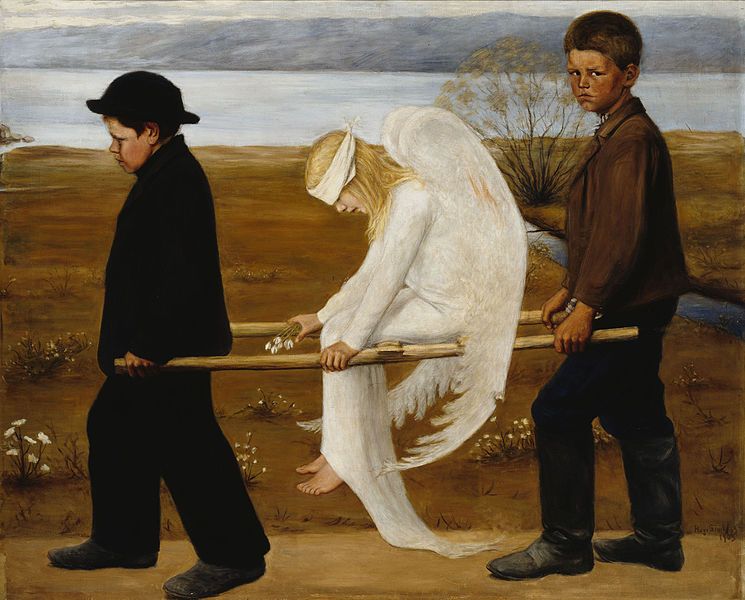
The Wounded Angel painting is by Hugo Simberg, 1903. It’s the most thought-provoking and moving angel image I found.

October Stories

As I was walking to the Charles Spa for a soak the other evening, I spotted what I thought was a purse lying on the sidewalk at the corner of Clancy and Broadway. Concerned, I bent to pick it up, and then stopped. It wasn’t a purse. It was a large pink bra. The cups—double-D, I guessed—were on top of each other, and the straps lined up, making it look like a purse. I left it there in case its owner should realize she lost it. If it had fallen from her spa bag on her way to or from a soak, she would surely miss it. There was no one else using or departing from the women’s hot spring baths, though, when I got there. No one to whom I could say, “Excuse me, did you lose a bra?”

On my way back from my soak, I saw two people approaching up Clancy from the direction of the river, and one of them was shouting something over and over. A thin man with a cane he wasn’t using and a thin woman in tight jeans strolled along, their pace and demeanor out of sync with the fact that she was yelling. As I got closer, I could make out her words. “Jeremy! Jeremy!” I paused and looked at her, puzzled. “I’m trying to find my husband,” she said, and kept walking and hollering. All the dogs for blocks around barked back at her. No Jeremy appeared. I didn’t ask her about cell phones. There are still a few people in the world who don’t have them, and some of us have been known to lose them. How she’d misplaced him, though, is a mystery.

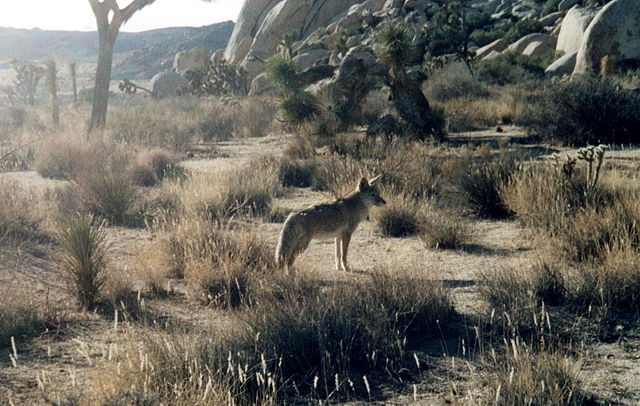
I saw a perfect circle in the sand at Elephant Butte Lake State Park recently, near a trail where I was running the desert. Curious, I had to stop and examine it. The circle had been cut into the sand by animals, their paws and hooves digging deep. The paws ran up the center of the circle and followed the hooves part-way in the arc. On the trail a few feet from the circle was a scuffed and scarred area. Mule deer spring straight up, tucking their legs under them, when they take off. I pictured a deer stotting on the trail, then leaping away in an attempt to escape. The coyote came straight at its prey, but the deer kept running right past and around its enemy. Mysteriously, there were no tracks leading to or from the circle except for the take-off spot, the deer’s stot marks. No other animal tracks, that is. Plenty of humans. Shapeshifters? Eek. I wish I hadn’t thought of that.

But that could explain everything. Jeremy couldn’t answer his phone in his deer shape. The owner of the pink bra discarded it as she felt herself becoming a coyote. This transformation first happened when they met on the trail, and then again when passed each other in town. Anything’s possible at this time of year.

*****

My shapeshifter short fiction, Bearing, is a horror story without gore, as you might expect from the author of mysteries without murder.

Orange and Blue Evening, or a Perfect Mistake

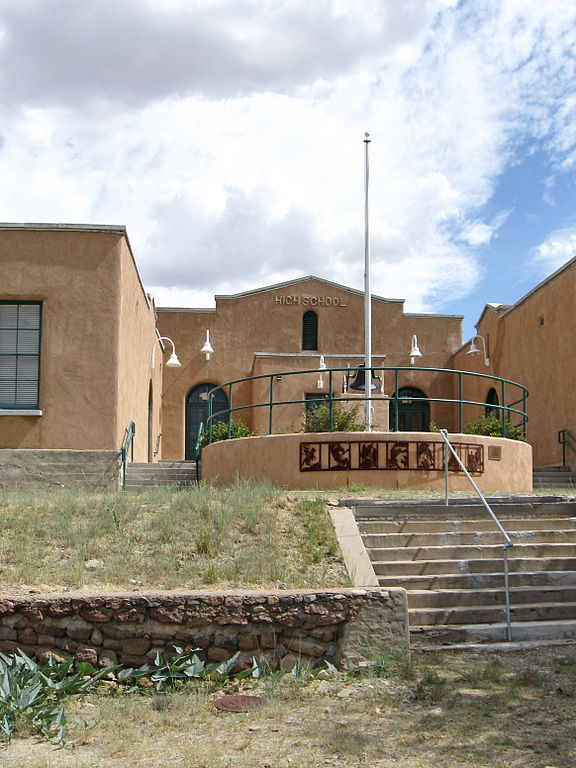
It was the wrong Tuesday for the event in Hillsboro I meant to attend. Not realizing I was a full week early, I drove through rolling desert hills to the historic town and arrived at the community center to find no cars in the parking lot. Only a man out for a walk who told me it was ping-pong night at six-thirty, and that the off-leash dog with him was not his. I decided not to stay for ping-pong, but moved my car down to the main street and took my own walk in light rain. After all, I couldn’t come all the way there and not enjoy the place.

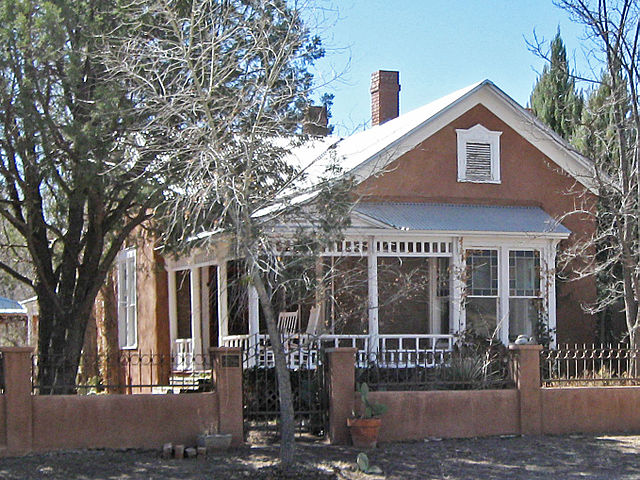
The old buildings are solid and well-kept, the houses as well as the art galleries, antique stores, and the museum. The former county seat and former mining boom town is now small, serene and beautiful, with a population of a little over a hundred.

I spied a large, handsome cat on a stone wall around a yard and went to greet him. He was one of those extremely friendly cats who not only allows petting but demands more. He had blue eyes and brilliant orange markings in the Siamese pattern which made his eyes look even bluer, but he didn’t otherwise resemble a Siamese cat. More like a very attractive knock-off, a variation on the theme. He jumped down to follow me a short way but decided to stay home.

As I was about to get in my car, I turned back to look at the view just in time to see a mule deer and her spotted fawn crossing the street and ducking into a ruined building near the park, where a few fragments of wall stand around weeds and a table full of objects that may have survived a fire. The doe and fawn ambled through the underbrush, taking occasional glances over their shoulders to observe me while I observed them.

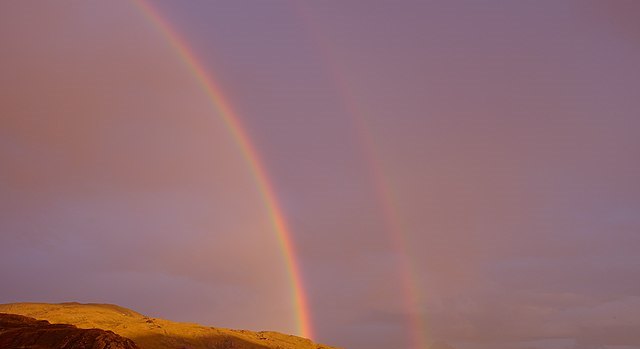
I read the historic marker commemorating the colorful life of Sadie Orchard, then the rain grew heavier, and I started driving home. When I was about half-way there, the sunset appeared, not in the west at first but in the north, a glowing pink aura with a flame-like sword of rainbow in it.  Then a double rainbow arched across the gray sky, so the road east seemed to drive under it, and the root of the rainbow in the south grew as vibrant and intense as the end in the north. I pulled over to get out and admire it. It’s not safe to drive under the influence of too much beauty. In the west, the rainstorm had broken up enough to let in orange light that coated the bottoms of the clouds. On the horizon, streaks of rain caught the color against a blue backdrop, while brushstrokes of gray floated across the orange overhead.

In the middle of empty land, nothing but sky and earth and colors. I actually went to Hillsboro on the right night.


Relief and other updates

The relief feels wonderful and yet disorienting. It’s hard to adapt. I have my life back. Book seven in the Mae Martin Psychic Mystery Series, Shadow Family, is with my editor now. I sent it off last night—actually, at around 3:30 in the morning. I know my editor will be sending me sections to revise, but today, I can think about the next book. I can even write a blog post.

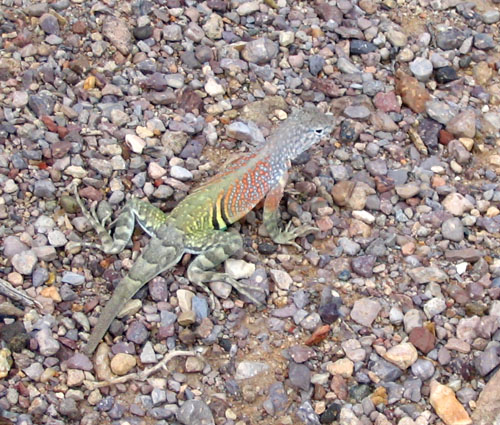
Relief came with rain as well. September is still summer, the grand finale of the monsoon season, with temperatures in the eighties, cooler than August by a long shot. It’s rained three times—one drizzle, one thunderstorm with hail and two inches of rain in two hours, and one nice steady all-night rain. Wow! The jewel-colored greater earless lizards need to sunbathe and get warm. When it’s cloudy, they hug the rocks with their wee limbs, seeking every last bit of sunbaked heat from the surface. The baby lizards are out, flawless miniatures of the adults, no bigger than a bug with a tail. I marvel at their toes, and at their orange stripes and green legs, their little eyes blinking up at me. Desert plants are in bloom, yellow chamisa and something purple—maybe some kind of sage. And with all the rain, Turtleback Mountain is more green than red.

The other night I went for a walk with a friend and his dog, hoping to see bats over the wetland by the river, but it was too windy for them. As we were leaving Rotary Park, which is right on the Rio Grande, a coyote started yipping and singing on the bank directly below where we’d been standing a minute earlier while my friend took a dead bird away from his dog. The dog, strangely, wasn’t interested in the coyote, only the dead bird. A whole coyote chorus started across the river as the one on our side would sing and the others would answer. The dog still didn’t care.

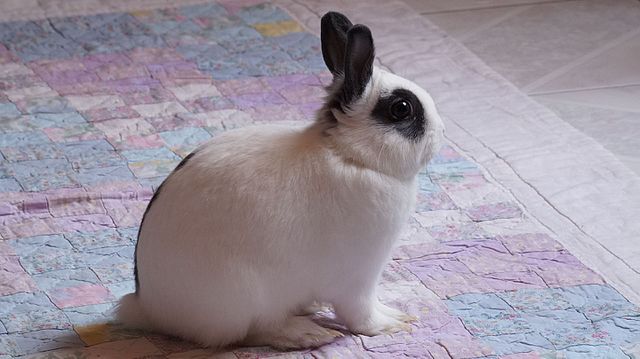
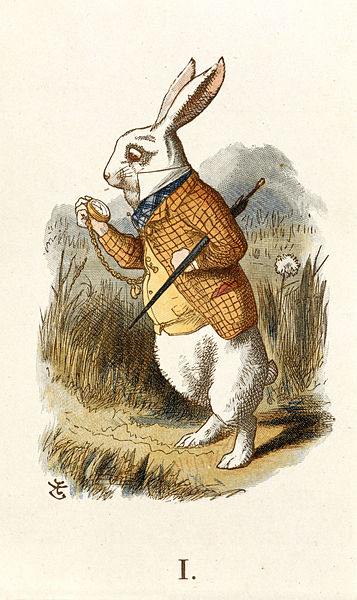
White rabbit update. First, her former owner said he only had females, so I’m now calling her “she.” Second, she’s been chased by dogs and by a cat, and someone sprayed weed killer on all the plants she used to nibble on in the yard of the empty trailer across the alley. Fortunately, she finds shelter in our yard. I decided to feed her nightly after all, because I’m going to try a new way to catch her. Her future owners brought a live trap, and we baited it with sliced pears and fresh greens. It may be shocking for her to go to her usual buffet and have a door close behind her, but she’ll escape predators and poisons to be loved and petted. And then it’ll be her turn be relieved. If all goes well, her new owner will show her in the county fair. Because she is so beautiful.


Chasing Rabbits

I try not to think about him or to look for him. I’ve stopped leaving his dinner out for him. At least for tonight, I think I have. It’s hard to let go of his beauty, though. I want to see him again and hope to be able to touch him. But I’m afraid he feels betrayed.

 When my neighbor in the next apartment mentioned how odd it was that the larger rabbits in the neighborhood were white, and the small ones brown, I had no idea what he was talking about. I said they all looked gray-brown to me. Then it arrived in our courtyard. A domestic rabbit, someone’s lost or abandoned pet. My neighbor said, “See? It wasn’t just some Jefferson Airplane thing.” Since then, that song has played in my mind, complete with lyrics I didn’t realize I knew. Feed your head?

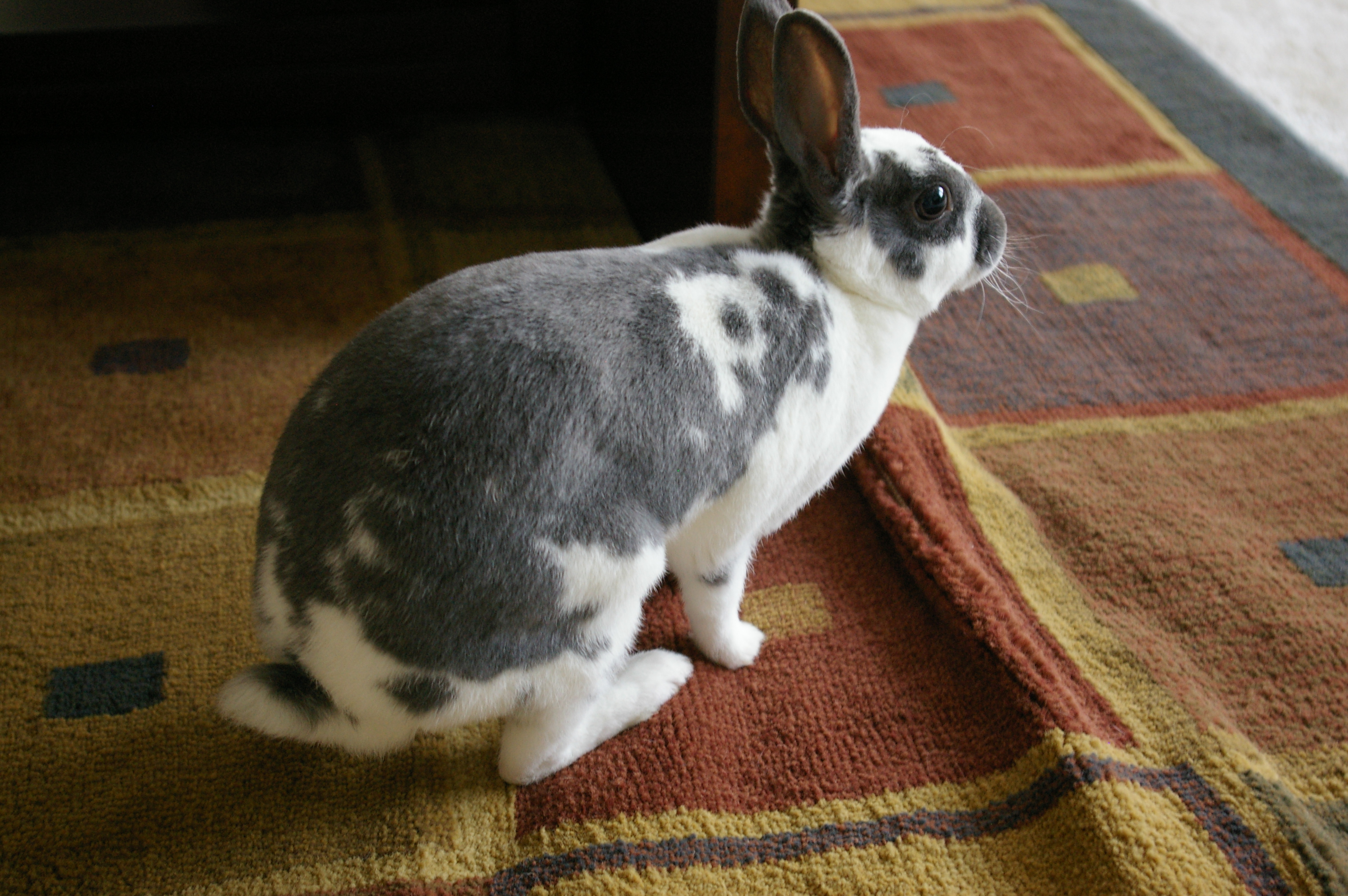
I was more concerned with feeding the rabbit. I wanted to tame it and find it a good home. Pet rabbits’ colors make them easy prey. This rabbit is white, astoundingly clean as if freshly washed and brushed, with gray-brown ears and a little gray stripe down its back. A few days after its first arrival, it was joined a smaller white bunny with gray spots. They sometimes went to the yard of the empty trailer across the alley and out into the alley. There’s grass there, but dogs who escape their owners tend to show up there. And two big, half-feral Siamese cats prowl the neighborhood, hunting. Not to mention foxes and hawks. I know nature has to take its course, but I grew attached to the white rabbits, giving them fruits and vegetables, and they began to come up and eat from my hand. The white rabbit was so at ease with me, he would sit there after a veggie snack and wash his face, yawn, and stretch out for a nap. Once I saw him fold an ear down and run it through his mouth for cleaning and flip it back up.

My neighbor and I located the rabbits’ original owner. His fiancée’s granddaughter moved out of state to live with her dad and left seven pet bunnies behind. Two escaped. The man didn’t want the runaways back, but he brought me a lot of food for them. The spotted bunny got adopted, after a minor chase in the yard. I was impressed with how the mother-and-son team who came for the bunny worked together to catch her in a fishing net on a pole. They raise rabbits, and the teenaged boy shows them in 4H. They donate affectionate bunnies who don’t make good show rabbits to families whose children with autism need a pet. They also take bunnies to the Veterans’ Home for petting. The spotted rabbit screamed like a human for a moment when her paws got tangled in the net, but once her new owner had her cradled in his arms, she totally trusted him and let him examine her paws and teeth. I got to pet her finally. She had the softest fur I’ve ever touched. Now she’s living in what I call the Bunny Spa, safe and loved with plenty of fresh water and hay.

But Bunny Number Two is another story. The white rabbit. We tried to catch him twice and failed. While the sunset burned orange into gray clouds in the west, he led us down alleys and over rocks and goatheads and other thorny weeds in the yards of run-down, abandoned houses and trailers, places I would not otherwise have gone. (This feels like a great opening scene for a mystery.) The boy caught him briefly in his net, but the bunny sprang out before the magical taming cuddle could take place.

I decided to break up with the white rabbit, to let go of trying to save him and pet him and take care of him. He no longer stops by in the evening to hang out with me and receive offerings of pears, spinach and lettuce. Not after the episode of the net. Instead, he visits early in the morning while I’m still sleeping. My neighbor sees him sitting under the fig tree where I’ve been leaving his nightly salad and bowl of water, staring  back at him. White Bunny is playing hard to get. I say we’ve broken up, but in truth, this could go on a long time. As Alice could tell, you, once you start chasing white rabbits …

The Sunset Was Free

I just sent a book to my beta readers, the third or fourth or maybe fifth revision of Shadow Family, the seventh Mae Martin Mystery.  There are a couple of characters in it who feel good about themselves as thieves. They smile a lot, acting the role of good guys. The theme in the book is self- justification. How we dig in and commit more and more deeply to our mistakes and bad judgments to justify our behavior to ourselves, and how people who are doing something ethically wrong convince themselves it’s actually right.

After a yoga workshop in Albuquerque Sunday, I stopped by Whole Foods to pick up some organic groceries. While I was in the bulk foods section filling a bag with pecans, a fit, cheerful-looking bearded man of about thirty, carrying a plastic bag of produce, pulled the lever on the bulk bin of chocolate covered peanuts, dumping a large serving into his hand. He flashed me a bright smile and ate from his handful as I stared at him, giving him the “WTF?” look, too startled to speak. We made eye contact. He smiled again and swaggered on up the aisle toward frozen foods, munching away. I put my bag of pecans in my cart and proceeded to get walnuts. A skinny teenaged boy with stylishly eccentric glasses walked up and grabbed a yogurt-coated pretzel from a bin and began to eat. This time I found my voice.

“Does everyone do this? You’re the second person in five minutes to just take stuff and eat it.”

He smiled and walked away. I once saw a little girl furtively sneak one raisin from a bulk bin at the same store. She realized I saw her, and she ducked her head, apparently feeling guilty.

The guys’ smiles bothered me more than the petty theft. I told myself it must have been a study with actors playing the role of thieves, and someone was watching, observing how others reacted. I didn’t want this to be normal. They looked right at me and assumed my complicity and approval. It reminded me of the way colleagues at a job I had way back in the early eighties would look around, see that all the employees in the break room were white—you can tell the look—and then make a racist joke. I would get up and walk out, telling them it was not okay with me. Racism is a huge wrong. Stealing a pretzel, pretty small. Assuming everyone agrees with you is troubling in both cases, because you think you’re not violating moral norms.

While I was on my way home Sunday, I stopped for gas in Socorro at exactly the moment the sunset was at its most spectacular. Orange and purple in the west, pink in the east, and pink and orange in the north layered with thin, swirly, magenta wisps. Above was a ceiling of pink clouds. A woman in the parking lot of the gas station was taking pictures. I walked all over the lot and into the space next to the adjoining business, seeking the best view of the clouds and the mountains. When I finally went in to pay for gas,  it was hard to let go of the beauty for even a few minutes. The picture-taker urged the young woman minding the store to come out and look at the miracle. She did, but she couldn’t linger. After all, sad to say, someone might go in and steal something.

Incompleteness

A week of thunder and lightning, but no rain.

A long to-do list.

A book finished but not finished. It’s with my beta readers and critique partners now. I have no idea how much revision they’ll recommend.

A world I wish I could change for the better.

If only the clouds didn’t have so many spaces between them. I think they could rain if they all got together. I have no power over that, though. I only have power over how I handle incompleteness. One thing crossed off the list every day. Small steps taken to make a better world, adding my voice and my efforts. Accepting there are no guaranteed results.

Inner quiet time. Without it, I can’t do the rest.

Snake Tracks

What was going on that night? Are they always out in such numbers, and the conditions simply revealed their traces? Or was it a special event?

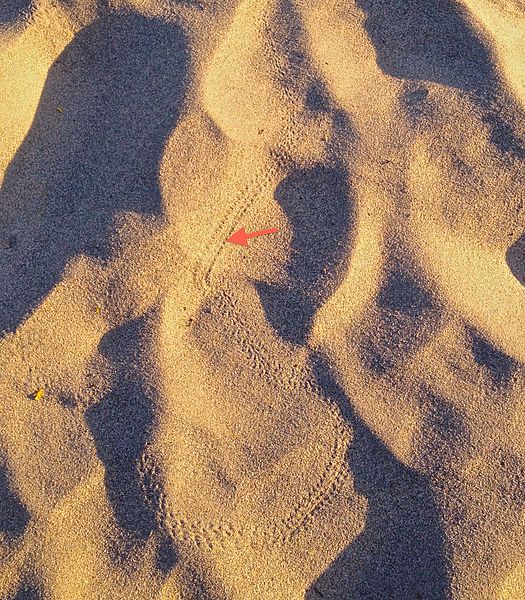
A light evening rainstorm, isolated in Elephant Butte, cleared all other imprints from the sand on the trail, so only the tiny dots of rain pocked the otherwise smooth surface. It was so hot the next day, no humans had set foot there until I went for a run. Every few feet, a snake track crossed the trail. Thin snakes, thick snakes, straight-line travelers, undulating travelers. Travels to bushes, to rocks, to holes. I had wondered what lived in that hole. Now I know.

I also know how a snake can travel in a straight line. If it’s in no hurry, it can propel itself along on the scales in its belly, almost like walking. I watched a video. Amazing. Now back to writing the book in progress. As long as it’s been taking, I seem as slow as a scale-walking snake after a rain, but I’ve been busy. Every night. Apparently, so have the snakes.


The Full Circle Moon of Good Intentions

“Do you know anything about turtles?” the woman asked. She was a slim, big-eyed brunette in a sundress, carrying a large blue canvas bag. A silver-haired man carrying a plastic grocery bag stood nearby, poised to walk off, his shoulders turned away from her. She must have already asked him, and he obviously wanted to keep moving.

I was on my way to meet a friend for a sunset walk. The clouds promised great color effects. But when I discovered the woman was uncertain how to rescue a  turtle that was trying to cross the street, I had to stop. We were five blocks from the river. A long hike for a turtle, and a dangerous one. Hot pavement, traffic, and predators. Yes, predators. And not just cats. There was a gray fox trotting down the alley across from us. Unlike turtles, foxes come downtown quite often. (Plenty of bunnies, no competition from coyotes.)

I found a small flower pot lying on the street. The woman offered to sacrifice her towel—she was on her way to La Paloma for a hot spring soak—to wrap the turtle, and I cupped its sharp-beaked little head in the pot. First we just lifted the critter over the adobe wall into the yard of the nearest house. I knew the owners, and they wouldn’t mind. But the turtle took off running for the sidewalk. I never realized they could move that fast. It would be in the street again any minute.

I called my friend and explained that I was taking a turtle to the river, and he said he would meet us there. My new acquaintance and I headed toward the Rio Grande, with her cradling the turtle in a fluffy pink towel. She told me was in T or C on a long visit from Austin and was thinking about moving here. Since she was too young to retire, I asked what she would do here. “Thrive,” she replied.

We met my friend and his dog on the way and then released the turtle into a muddy spot on the riverbank, not too steep or bumpy, so it could have a safe slide into the water. It stared at the river and then hurried into the weeds.

Satisfied, we humans lingered to watch the full moon rise from behind Turtleback Mountain, and my new friend and my old friend told stories, getting acquainted. Bats dived after insects, swooping in close to us, and we gradually fell silent in the sacred space.

Later, at home, I looked up turtles. I’d never answered the question that started the evening’s adventure: Do you know anything about turtles? If I had, the answer would have been no.

I learned they lay eggs around this time of year and may walk up to a mile from the water to do so. Our rescue interrupted a turtle on a mission. I told myself we meant well, and that she came out the wrong side of the river. The other side is wild, but she was heading downtown. Even if she somehow found a spot to bury her eggs, the hatchlings would never make it home. Still, I have to wonder about the unintended consequences of our good intentions. Maybe she knew what she was doing. I hope she found a good, safe place to lay eggs, but after her heroic trek, we brought her right back to where she started.