Opening to the Season

One day it was summer and the next day it was autumn. A deep silence heralded the change. Then, with a sudden wind, the new season flew in, bringing a day of dramatic skies—sunny patches, blue-gray clouds shedding thin sheets of rain, white clouds towering in wild wind-sculpted shapes. The only creatures I met in the desert were quail. The temperature had dropped twenty degrees, and everything that lives in a warm burrow was in it. Even after the weather began moving, my mind remained affected by the strange silence that preceded it, fascinated by sounds and the space between them. The tapping of rain. Nothing. The brushing of wind against rocks and trees. Nothing. A quail peep. Nothing.

I went to City of Rocks state park a week or so ago when friends visited from Virginia, and it was perfectly silent unless we spoke or walked. No cars. No other people. Nothing.

It’s hard for the human mind to sustain total silence. Openness to the arrival of pure experience can be overwhelming. My head is more at home filled with the chatter of its own products, from the turning point in a plot to my daily plans. But without stillness, none of the activity works as well.

At home, the silence embraces me. After nearly six months of running the air conditioner, I’ve been able to turn it off. On an evening walk, my neighbor and I fell into silence as the bats emerged from their new home, swirling into the sunset sky from behind a broken blue wall with a mural on it. They’ll only be with us for another week or two, and then they’ll migrate to Mexico. We humans, our heads full of words and the sense of time, are aware that when the bats leave, another season has changed. Something has ended. And yet it hasn’t. In the perfect, circular nature of real time, the cycle is eternal.

*****

Read more of Amber Foxx’s essays on this blog and in the collection in Small Awakenings: Reflections on Mindful Living.
 

Knowledge and Perception

During the month of August, there were so many events scrolling through the electronic sign over the entrance to Elephant Butte Lake State Park that someone decided to remove the time-temperature-and-welcome from the cycle of reminders and announcements. Once I got used to not seeing those numbers when I rounded a high point on the trail with a view of the sign, I realized how absurdly attached I’d gotten to noting exactly how many minutes it had taken  me to reach that spot and whether the temperature had gone up a degree. I enjoyed my runs more without this information snagging my mind.  Now that there’s less going in in September, “Welcome to Elephant Butte Lake State Park 1:36 p.m. 87 degrees” is back. It still takes me exactly twenty-four minutes to reach the point where I can see it, and I can tell how warm it is without looking. What is it about numbers and measurement? Or even the desire to know something just because it’s there to be known?

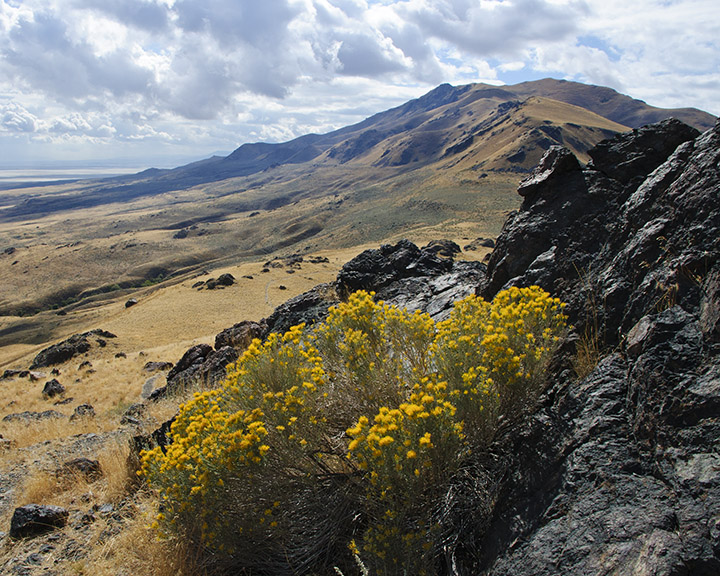
I don’t have anything against knowledge. Practical knowledge enhances life, and useless learning is fun.  I spied a large, almost squirrel-sized, New Mexico whiptail today. She did one pushup and disappeared under a bush. My useless knowledge informs me that she was a she because they all are—our state reptile is an all-female species.  Trying to identify a delicate purple flower I admired, I searched online in vain, but I learned that among New Mexico wildflowers there are plants called Water Wally, Hairy Five Eyes, Bastard Toadflax, Blue Dicks, Redwhisker Clammyweed, and Bonker Hedgehog. (The last one is a small cactus.) I still don’t know the name of the purple flower. I think its bright yellow companion is snakeweed, but it may be chamisa. Chamisa’s botanical name is Ericameria nauseosa, which makes me want to create an unpleasant character named Erica Maria in some future book. This plant, or its purple friend, smells wonderful, not nauseosa, and that perception is a greater joy than the satisfaction of acquiring a fact such as its name. Globes of yellow blossoms on green stems and taller stalks with tiny purple blooms glow against the pale brown sand, and a rare whiff of floral sweetness surprises me as I run past. At exactly the same speed whether or not I measure myself.

*****

Enjoyed this post? You may also like Small Awakenings: Reflections on Mindful Living.
Change

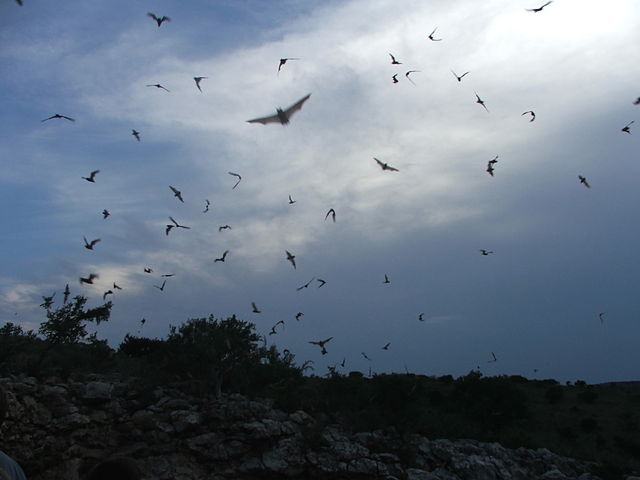
The bats have relocated. It’s an unwelcome change for their fans, but it was inevitable. They couldn’t stay in a man-made structure forever.

The old warehouse where they resided has been sold and cleaned out, and repairs are in progress. The building was crumbling, and the bats, delicate and magical as they are, made it stink. The man working on the place said the bats were welcome to back if they wanted to for now, but of course they don’t want to. He had the doors wide open and daylight was pouring in. The building is going to be converted into several apartments. As one of my neighbors said, even bats have the sense not to like developers.

Years ago, the bats lived in the Methodist church, also known as the pink church. Then, after a fly-out, the church had wire mesh installed over the vents so the bats couldn’t come back in. They moved to the warehouse. Now they’ve moved again. Bat lovers in the T or C hot springs historic district have been watching the sky at sunset. Our little relatives are still around, though in smaller numbers, and we don’t know where they live now. We’ve checked various possible new bat homes. The Baptist Church. No bats. The ice house, an empty building between Rio Bravo Fine Art and the community youth club. No bats. Though I miss the clouds of them in the evening sky, I hope for the bat colony’s sake that they have moved to a nice private cave on protected land where they can stay for generations.

Several evenings ago, I took a sunset walk, and a few bats hunted bugs over the streets. I counted seven bats fluttering over the river and the wetlands, but I couldn’t stand by the water and be immersed in them. And gnats are gathering on my ceiling again, though only by the dozens, not swarming the way they do when the bats are entirely out of town.

A speckled and striped gecko, no more than an inch long, with a rosy patch on its tiny head, was attempting to sneak into my apartment when I got home from running today. I was tempted to allow it to move in. It was cute and it would eat gnats. But I caught it, admired it, and carried it across the courtyard to a rocky area under a tree. Better for all of us, in the long run.

Sit Still

Permission given. You can sit perfectly still. You don’t have to do anything right now.

Ahh. A breath of relief.

This is what’s real. Being. Breathing. Seeing the patterns of light and colors, hearing the wind outside my windows, feeling my body release tension, letting the inner chatter fall away.

Yes, I have a to-do list. Appointments, commitments. Some are fun, some are just part of being a modern human in a somewhat inefficient society. But my first obligation is to my being. My stillness. My awareness.

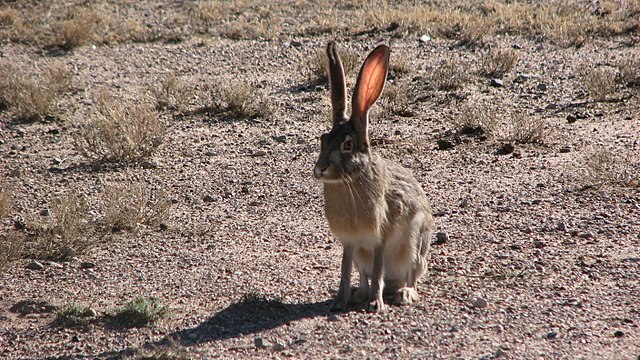
The other day, I ran in this mind-state, attending to the sound of my steps and to the sights around me. Though I kept coming back to solving plot problems in my work in progress, I did spend more of my run noticing. As a jackrabbit ducked under a shrub, I saw the exact second that its big ears folded back to avoid the branches as it scampered. Life is full of those perfect moments, these ordinary wonders.

Without them, how can I write? Or enter all my busyness and commitments with an open heart?


April Dryers

What? Not April showers? Not here. Statistically, it’s driest the month in my part of New Mexico, and one of the windiest. Here’s my recipe for an April day in Sierra County, if you’d like to experience one:

Ingredients:

Grit and sand, fine enough to blow around

Pollen from elm and juniper, enough to reach an 11 or so on the 12-point pollen count scale

Add creosote bush for aroma

Mix and toss into dryer, turn heat on high, and let it blow.

Decorate with cacti and various subtly flowering spiky shrubs

It’s not a bad month. In fact, if you run a wind farm or solar installation, it may well be the best month of the year, but it’s not most people’s idea of April. Some folks would call this summer. The temperatures have hit ninety a few times, well above our normal April average of 78. On the plus side, that’s hot enough that the creosote bush smells good. The smell comes from volatile oils, primarily terpene (also found in pines), limonene (found in citrus), camphor (found in pines and rosemary), methanol (wood alcohol), and 2-undecanone (don’t ask me what that is, but it’s found spices). Creosote only breathes in the morning so it won’t lose water, but the smell comes off it in the hot afternoon. It smells better after rain, but that’s not due any time soon.

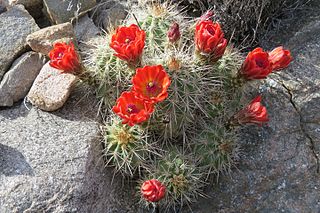
Nonetheless, things are growing. Agave plants are sending up the bizarre stalks that will eventually flower. Right now, they look like gargantuan asparagus tips. Claret cup cactus is in bloom. Green fronds are waving from the tips of mesquite branches, and a type of bush that has looked like a mass of dead black thorns all winter is covered with tiny white blossoms.

For some reason, the lizards are leaping. I’ve never noticed them doing this before. Tiny gray lizards are not only running around at their usual astounding speeds, but jumping onto rocks four or five times as high as the wee reptiles are long. It’s an impressive feat. And they have impressive feet, featuring long golden toes like little strands of straw, apparently good for clinging when they land. They seem to stop and pose so I can admire them, but they may be recovering from the leap. Springing is hard work. Pun intended.

How is spring in your part of the world?

Quack Gong

In an earlier post, I mentioned how much I love my “outdoor gym,’ the Rotary Park on the Rio Grande in T or C. Though the exercises I do there aren’t yoga but strength training with resistance bands, I still aim to bring a yogic sort of mindset to the movement, paying attention to my body and breath, and also to the world around me.

It’s amazing how busy my mind can get within a few reps of a single exercise. As a writer, I carry plots and characters in my head, and they show up and want attention. This is something I choose to invite while I run, setting a plot problem to solve in a free-flowing way, letting ideas bubble up while I turn my mind loose on the trail. With the trance-like drumbeat of running, I can get into a creative groove and stay aware of the beauty around me. There’s no steady flow during this strength workout, though, as I keep changing from one move to the next. I’m better off focusing on the scenery and on correct form in what I’m doing.

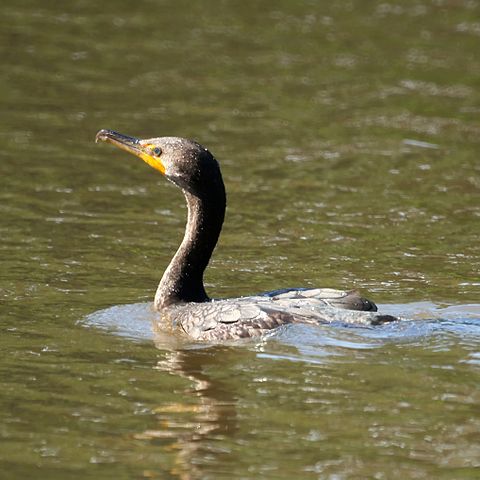
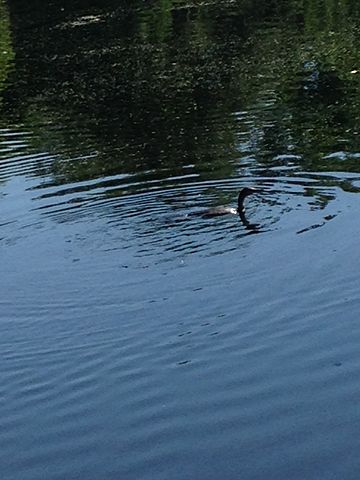
That’s where the cormorants come in. They winter here, fishing the river. Some gather on an island of matted reeds and twigs while others float. Their vocabulary is fascinating and full of surprises, from duck-like quacks to grunts, peeps, and croaks. The sounds were wild today when they announced that a blue heron had landed on their island, calling my attention to it along with each other’s. I’d been so busy inside my head that I had missed the arrival of this enormous bird.

As well as talking with each other, the cormorants dance noisily in brief arcs of foot-dragging, water-slapping flight, serving some purpose known to them but mysterious to me. I think of them as the gong in a Zen temple, interrupting my distracted mind and bringing it back to the present. The river. The mountains. A warm, sunny day and a swim of cormorants with sleek black feathers and bright yellow beaks. No need for my mind to be anywhere else.


Grateful for Beauty

The world we see through headlines seems to be falling apart, filled with violence and dysfunction, and ordinary life can be full of petty hassles. I need to get out in the natural world where life is more in balance than in the man-made one, and do it daily. Before the temperature goes over a hundred and after it goes down.

 The same conditions that make June in New Mexico so challenging during the day—no humidity, no clouds, hot winds clearing the sky—make it spectacular after dark. Even just standing in an alley, a short way from the streetlights, I can look up and see not only the bigger, closer stars, but the background billions and billions sparkling like a beach of diamond sand behind them.

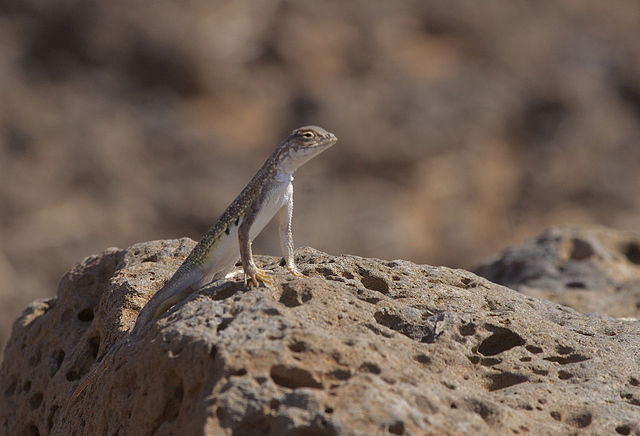
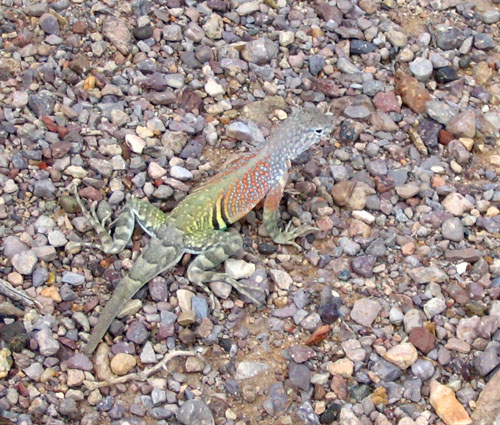
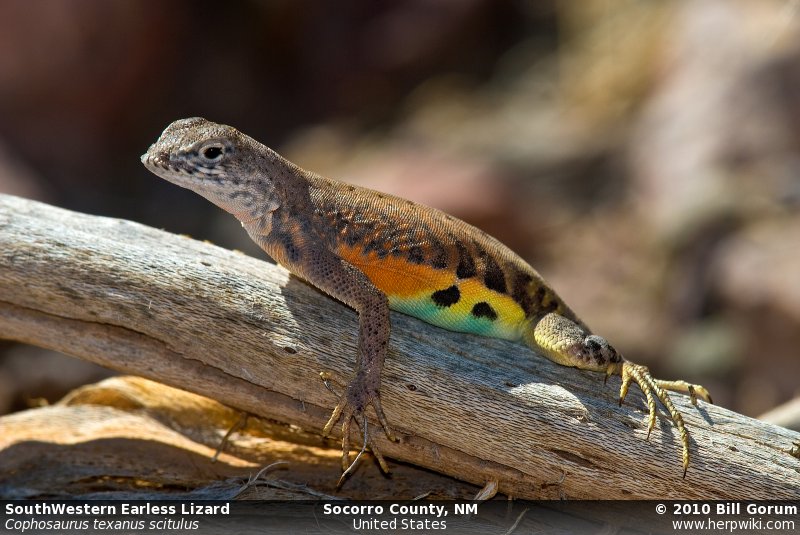
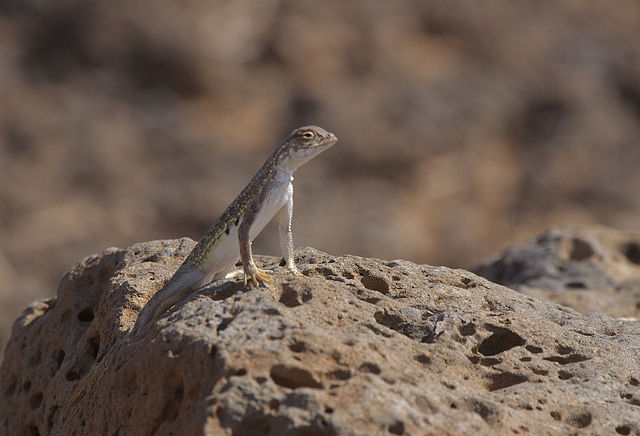
 Heat and all, I still run, heading out while the temperature is only in the nineties. As I was about to start a run a few days ago, I encountered a grasshopper longer than my index finger. Yes, it held still and let me measure. Its head was marbled, its body striped and speckled, and it had golden antennae that looked like strands of broom straw. Beautiful, in its own buggy way. Along the trail, pearlescent gray lizards with radiant orange bands on their sides perched on rocks then ran away. Another species displayed glowing blue-green hind legs that appeared lit from within. I think it’s some kind of collared lizard or perhaps a type of earless lizard, but I couldn’t find one quite like it when I searched on web sites. Whatever it’s called, it’s a miracle. So is having vision to see to it and a mind to appreciate it. For all of this, I am grateful.


*****

Southwestern earless lizard photo courtesy of the New Mexico Herpetological Society.

Overfill Alarm

overfill

Taking my freshman seminar students for a mindful walking meditation excursion, I noticed things I’d never seen before. Most striking was a college van parked near the softball field, overgrown with vines. How fast did they take it over? Had the van been forgotten?

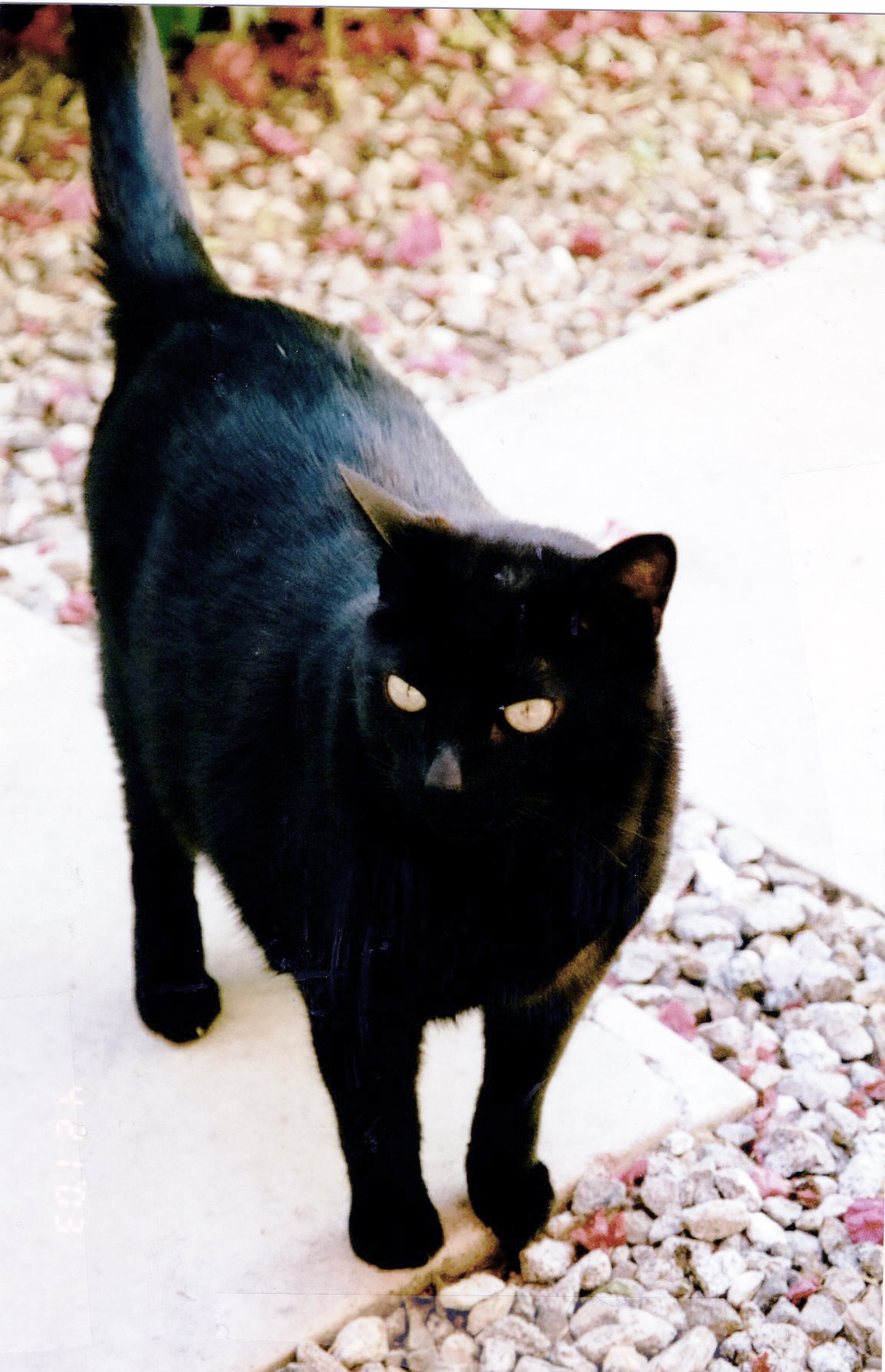
As always on such walks, I noticed the sounds: wind in leaves, the nearby river rolling softly over rocks, birds and crickets singing, and our footsteps. When we reached the park I was aiming for, one of my students found a friendly black cat and held him up. Part of the mindful condition is that we don’t talk or use phones for forty minutes. Her smile communicated all that was needed, and several of us gathered around her to pet the cat. Mindfully. Feeling the catness of the cat.felix

I watched carp in a lily pond, ducks on the river, and then crossed under a bridge to another part of the park. There, I saw a flock of birds reflected in gray water that was busy with a swarm of water-walking bugs, a moment of earth-sky-water symmetry that put my mind on pause. Pure perception uncluttered by the noise of thought.babyducks

A thin old tuxedo cat with a red collar trailed several students into a gazebo. He seemed to want human company, but unlike the black cat, he found no one to pay attention to him. When I went to pet him, the girls sitting in the gazebo were on their phones. Surrounded by nature’s beauty, free to enjoy silence, with a cat who wanted affection sitting at their feet, they were sucked into tiny screens.

On our return to campus, I stopped in front of another thing I’d never noticed before: a big yellow sign on the maintenance building that says OVERFILL ALARM. The class gathered in silence and looked at it. It was finally time to talk.

Does your brain have an overfill alarm? Do you override it and keep putting more in? What are the signs that it’s about to go off?

*****

Picture of black cat, Felix, courtesy of his owner, mystery author Sally Carpenter.

Music, Beauty, Wisdom, Bugs

Cricket_Drawing

On my last night in New Mexico for the summer, I listened to crickets as I left a Bandstand concert in Santa Fe. All of them kept the exact same beat throughout my fifteen minute walk to where I had parked my car, not single cricket out of sync with the rest. The bug music of the South is different. In Virginia at this time of year, cicadas ratchet away all day, and at night a polyphonic, polyrhythmic chorus begins. I meditate by going out on my deck, closing my eyes and deciding not to miss a note. It’s amazing how they produce this symphony by rubbing legs, or vibrating wings, or with specialized parts of their exoskeletons. Their bodies are musical instruments. (Did you know that Kokopelli, the flute player, was a bug? He’s identified with the musical cicadas but also with the stinging Robber Assassin Fly.)

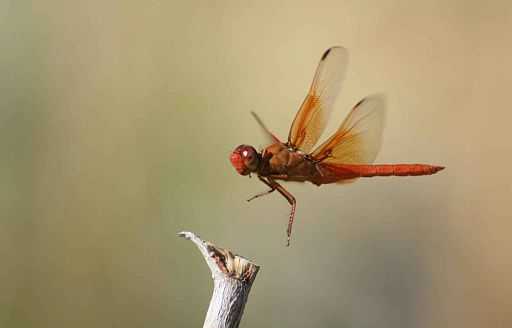
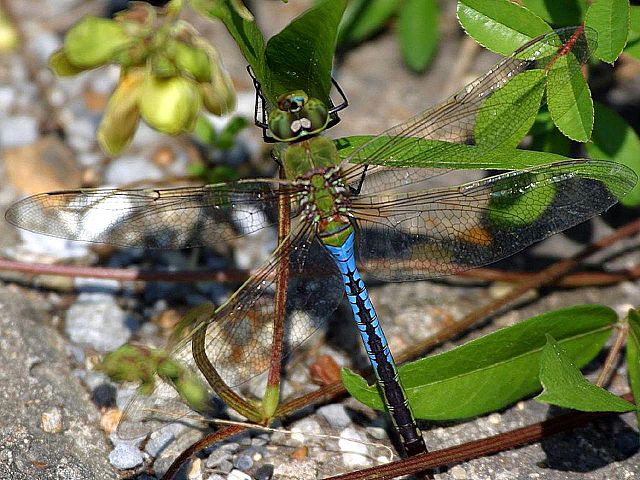
The crickets here who are making all the noise are tiny, like miniaturized versions. The dragonflies are delicate creatures, too, needle thin, brilliant green, orange-red, and sky blue, sometimes flying united, two fragile bodies connected in a mating dance. When I was in Maine, on a run through the green hilly countryside, I came across a farm with a clay pit where enormous colorful dragonflies hovered over the standing water, ten times larger than their southwestern Virginia cousins, like trucks compared to motorcycles. Flame_skimmer_insect_dragonflyBlue Dragonfliy

I’m not sure why insects are so large in less hospitable climates. New Mexico bugs will surprise people who think nothing can live in the desert. Think again. There are beetles and cockroaches out there that could carry a couple of fifty-cent pieces on their backs and not break a sweat (figuratively speaking).

If you’ve read The Outlaw Women, the short story prequel to the Mae Martin series, you know that Mae is not least bit squeamish about crawly critters. When it comes to this topic, more readers may identify with her friend Jamie, who enters the series in Shaman’s Blues. He’s appalled by spiders in particular and by things with too many legs in general. Personally, I like the many-leggeds, but with a few exceptions: roaches, flies, mosquitoes, biting ants and skunk beetles. I think I’ve mentioned before that bees and wasps sometimes walk on me when I do yoga outdoors, their delicate almost weightless feet on my skin. On close inspection, they’re quite beautiful. Some of them have bright yellow legs, a classy touch like the hubcaps that match the paint job on 1950s cars.

At a yoga and meditation retreat a number of years ago, Goswami Kriyananda came in a minute or two late to give his talk. He had stopped to help a fly that was trapped between a window and the screen. He opened the window, and then the screen, and closed the glass so the fly could go outdoors. He said it kept walking around and around on the screen in the same pattern it had before he offered it its freedom. With his warm and gentle humor, he said it reminded him of humans.

Recompressing

Half-way between New Mexico and Virginia, my tire pressure goes down. It happens every year. Nothing is wrong with the tires. It’s just that I go to mechanics in Santa Fe and they make sure the pressure is normal for that altitude, and then I descend to the lowlands.

When I unpack in Virginia, I always find that my shampoo bottle and other plastic containers have collapsed inward, folding in around the empty spaces inside them. When I run, I feel the heaviness of the air—the dampness as well as the low altitude. It’s hard work, like plowing through used teabags. Talk about coming down!

It’s time to recompress. I’ll readapt to the climate, to the busyness of the academic year, and to the green campus, so conventional and normal. I’m in the transitional phase, now though. I miss the colors and textures of the desert, the people in T or C, the eccentric personality of the town itself, the spaciousness of my life there and all the open space around it—so delightfully situated in the middle of nowhere. The challenge now is stay spacious inside when my surroundings aren’t, and as external demands become like the air, an unseen weight leaning on me. I did yoga on my back deck today, and two tiny bees sat peacefully on my shoulder through several poses. I was grateful to have this practice of active mindfulness. It left me feeling whole and bright. My outer life has to recompress, but my soul doesn’t.