Curiosity and Openness

park

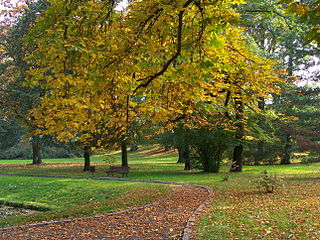
The boy braked his bicycle on the bridge over the creek and stood straddling the frame. “What are you doing here?”

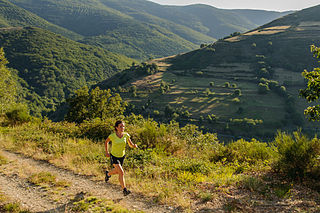
As I adjusted out of the mildly altered consciousness that comes from a long, peaceful run, I continued stretching my calf muscles, listening to the stream’s soft burbling, the autumn trees rustling, and studied my interrogator. He was about ten years old, with a stocky build, short hair and wire-rimmed glasses. His question wasn’t unfriendly—not as if he owned the park, but more of an inquiry into what other people came here for.

“I just ran four miles,” I said, “and now I’m stretching my legs.”

“Four miles?” His eyebrows shot up. “I can’t even run one.”

“It took me a while to build up to four. I didn’t run that far when I first started running.”

The boy asked what it felt like to run four miles and I said it was beautiful, being outdoors and quiet, moving through nature. It’s hard to describe the spirituality of running and I didn’t do a very good job of it. He said it must be a good workout. I agreed. He rode around a little while I finished stretching, and then pedaled beside me as I walked through the parking lot toward my neighborhood.

“What was it like the first time you ran?” he asked.

I told him a shortened version of the story that follows.

I’d been visiting the Apache reservation in Mescalero, New Mexico. A friend informed me that there would be a five-K and 10-K race the next morning, then looked me in the eyes and said “See you there.”

He and his girlfriend would be running, but I could tell he didn’t mean I would be there to cheer them on. He meant I would be running. I took the challenge and ran the five-K. At the time, I lived at sea level in the Tidewater region of Virginia, and Mescalero is 7,500 feet above that. Being an aerobics teacher, I was in good shape, but until that day I wasn’t a runner. I struggled uphill at that altitude, but the singer for the Navajo Nation Dancers kept cheering me on. His group had come for the powwow, and we had met briefly and chatted while waiting for the race to start. He couldn’t remember my name, only where I was from, so he shouted, “Go, Virginia! You can do it!”

I came in second for my age group, and I was hooked. Not on racing, but on the Apache concept of spiritual running. This race was not just any race, but a community event to promote health and traditional culture, timed to go with the four-day Dances of the Mountain Gods and the girls’ coming of age ceremony. My friend who convinced me to run had told me about spiritual running when we first met, and before the race started I got to know a number of other people who ran for cultural reasons. That was almost twenty years ago. and I never lost my love for running.running
The boy in the park listened to the short version of this story attentively. We chatted a little longer. He concluded that he would still prefer bicycling and then pumped his way up the steep hill, wishing me a good day and saying, “See ya.”

There was a synchronicity to this encounter. Back in 1998, I made friends with the man who got me to run that first race by striking up a conversation with a stranger. I was stuck in an airport due to a delayed flight, and as I walked to pass the time, I noticed him sitting cross-legged on the floor rather than in a chair in one of the gate areas, and was intrigued by the writing on his T-shirt. It read: All Apache Nations Run Against Substance Abuse. I was doing research in graduate school about using traditional culture to combat modern health problems in Native communities. The idea of people running all the way from the various Apache nations, from Oklahoma and Arizona and New Mexico, to gather at one chosen reservation, was inspiring. We talked a while, and he invited me to visit Mescalero later that year and put me in touch with a medicine woman who could help with my research.

On subsequent trips, I ran the five-K several more times. At the time, I was thinking about writing an ghost sickness ebookacademic paper, not fiction, but years later these races, the powwows, and the ceremonies inspired many of the scenes in Ghost Sickness. By the time I wrote the book, I had a lot of experiences to draw from.

My new young acquaintance’s friendly curiosity makes me think he has what it takes to be a writer. He has his own view—prefers biking to running—but he wanted to know what I thought and felt as a runner, and not because he planned to start running. He simply wanted to know. That’s a writers’ mind, or an actor’s or a psychologist’s. He asks: What’s it like to be someone who is not like me?

Fragmentation and Focus

I’m a guest today on Lois Winston’s blog, talking about trying to focus despite fragmented time. If you share that frustration, you’re not alone. Stop by the blog and let me know how you handle it.

At the end of that post, I mention a 99 cent sale. The Calling is discounted on all retailers through October 28th.

Overfill Alarm

overfill

Taking my freshman seminar students for a mindful walking meditation excursion, I noticed things I’d never seen before. Most striking was a college van parked near the softball field, overgrown with vines. How fast did they take it over? Had the van been forgotten?

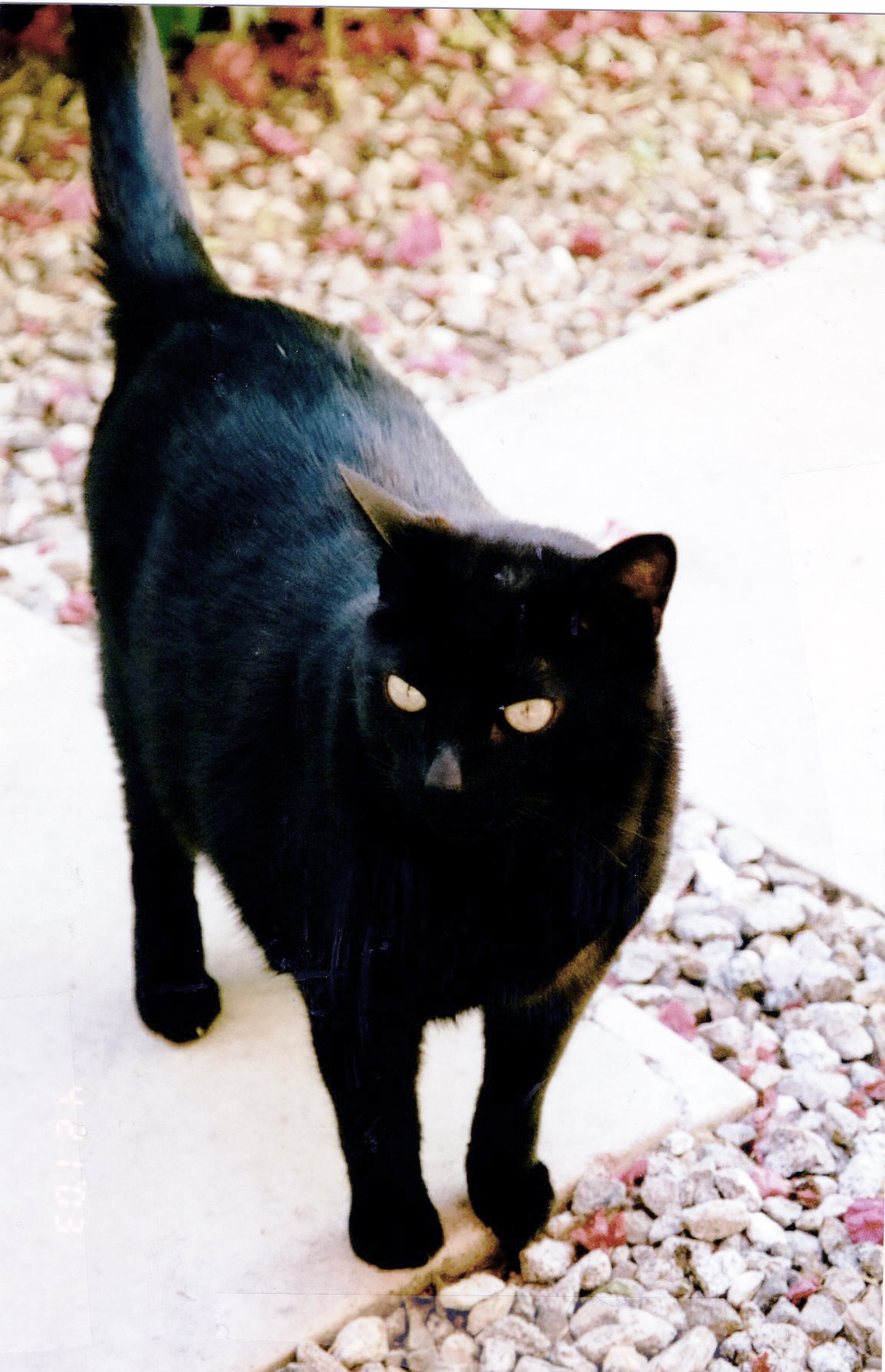
As always on such walks, I noticed the sounds: wind in leaves, the nearby river rolling softly over rocks, birds and crickets singing, and our footsteps. When we reached the park I was aiming for, one of my students found a friendly black cat and held him up. Part of the mindful condition is that we don’t talk or use phones for forty minutes. Her smile communicated all that was needed, and several of us gathered around her to pet the cat. Mindfully. Feeling the catness of the cat.felix

I watched carp in a lily pond, ducks on the river, and then crossed under a bridge to another part of the park. There, I saw a flock of birds reflected in gray water that was busy with a swarm of water-walking bugs, a moment of earth-sky-water symmetry that put my mind on pause. Pure perception uncluttered by the noise of thought.babyducks

A thin old tuxedo cat with a red collar trailed several students into a gazebo. He seemed to want human company, but unlike the black cat, he found no one to pay attention to him. When I went to pet him, the girls sitting in the gazebo were on their phones. Surrounded by nature’s beauty, free to enjoy silence, with a cat who wanted affection sitting at their feet, they were sucked into tiny screens.

On our return to campus, I stopped in front of another thing I’d never noticed before: a big yellow sign on the maintenance building that says OVERFILL ALARM. The class gathered in silence and looked at it. It was finally time to talk.

Does your brain have an overfill alarm? Do you override it and keep putting more in? What are the signs that it’s about to go off?

*****

Picture of black cat, Felix, courtesy of his owner, mystery author Sally Carpenter.

A Little of Everything

Today I’m a guest on fellow mystery writer Jim Jackson’s blog, answering ten questions about writing and reading. I had fun with this, and hope you will, too. Once you get to his blog, you can also find interviews with many other writers, including some of my favorites like DV Berkom. These Q&A posts could be great way to discover some new writers as well as get to know those whose work you enjoy.

Happy Tuesday.


What is Pleasant to Live Through …

… seldom makes a good story. I was reminded of this as I searched for something interesting to say in an e-mail to a friend. I wanted to stay in touch and to hear from him, but my sane, steady, enjoyable life provided little material. Hello. I’m happy. My students are great this semester. My yoga classes are going well. I’m reading good books and I’m writing. In conversation, a lot could flow from any of this, but in writing, not much.

A few years ago, I was talking with a new acquaintance at a faculty holiday party, and he mentioned that he was reading The Lord of The Rings for the first time. I had read it my freshman year in high school. Yet, when he mentioned the passage that stood out most strongly for him, it was one that I’d often thought of in the decades since reading it. Tolkien sums up the passage a long and pleasant time for the travelers in his story in one or two lines, then adds that things that are agreeable to live through are often dull to tell about, but things that are hard or even terrible to live through make marvelous tales. Authors tend to feel affection for their characters, and yet to make good stories, we have to put them through challenges. No life would remain pleasant if it didn’t require us to do something difficult. And that’s where the story is—growth through pain or danger.

At the last meeting of my book club, each us got the others caught up on her summer. One person was getting divorced, another had seen a friend through a major crisis, and another had taken her peace studies students to Hiroshima, a place that literally went through hell to become what it now is, a city dedicated to peace. And I … had been on vacation. Needless to say, the most compelling narrative wasn’t mine.

I had tons of fun, but my friends had more questions about a medical weirdness that took place shortly before I left for New Mexico. Because what makes a better story? “I went on vacation and it was great,” or “I had a posterior vitreal detachment?” They were fascinated by the phenomenon of having the gel in my eyeball partially detach and getting flashes of light and a giant floater in one eye. “How big is it? Like, the size of blueberry? Is it always there? Do you have to have surgery?” (Smaller than a blueberry, in case you care, and no, and no.) Ah, we humans. We love icky, scary stuff, and you can’t get much ickier than eyeballs.

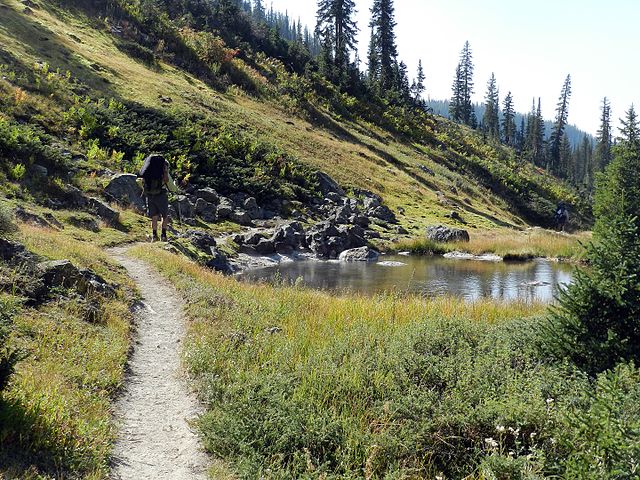
I thought the divorce story was amazing, a much better story. Not for the conflict but for the grace. The couple who are parting ways took a long-planned backpacking trip together even though they had decided they would end their marriage. I’ve talked to each of them about it and they’re glad they had this final adventure together. backpacking_bechler_canyon_18430518468It’s their story, so I won’t tell any more of it here, but I can see in it the qualities that make the best stories. In a way, it ties in with the peace studies story and the helping-a-friend-in-crisis story. It had value and purpose, and took strength and courage. It made them grow and change. And in its difficulty shines its beauty.

Turn it off. Turn it all off.

One of my yoga teachers in New Mexico often mentions the importance of quieting the nervous system. He doesn’t use music in his classes. I teach in places where music is expected, so I use unobtrusive, meditative music, but it’s still background sound, another level of stimulus.

Readers of this blog may have noticed I like to contemplate the effects of power outages. Today there was a brief one at the fitness center at my college. Normally, there are a few fluorescent lights in the group exercise studio that never go off, though I turn off the ones I can. These perma-lights were finally gone. So was the steady blowing of the air conditioning. Its presence has been ceaseless, so I never knew how harsh and persistent it was until it stopped. With plenty of natural light through the windows of a room that had been chilled a little too cool for yoga, the outage was wonderful. The quality of my voice softened. The clarity of my thoughts sharpened. My teaching became more precise, more aware, and I felt a matching shift in the students’ energy. When I stopped talking, there was nothing to be heard at all. Except, perhaps, each student heard his or her own breath.

Overstimulation has a subtle yet pervasive effect. Sometimes I wonder if it’s addictive. There are people who say they have to sleep with a TV on or have one running at all times when they’re home—“for the noise.” That would drive me crazy. I write in as much silence as possible and do my personal yoga practice in silence, too, either outdoors with only the sounds of birds and insects and occasional neighbors’ voices, or indoors in a quiet room. I’ve praised perfect silence in nature before, but today was the first time I’ve experienced the benefits of deep silence in my teaching.

Yoga doesn’t require stimuli that keep our minds bouncing and nerves buzzing. Yes, we can learn to do it in the midst of a barrage of sounds, but when we can choose to be free of them, it’s even better. The yoga sutras begin with a definition of yoga that can be translated as “Yoga is the stilling of the fluctuations of the mind.”


Music, Beauty, Wisdom, Bugs

Cricket_Drawing

On my last night in New Mexico for the summer, I listened to crickets as I left a Bandstand concert in Santa Fe. All of them kept the exact same beat throughout my fifteen minute walk to where I had parked my car, not single cricket out of sync with the rest. The bug music of the South is different. In Virginia at this time of year, cicadas ratchet away all day, and at night a polyphonic, polyrhythmic chorus begins. I meditate by going out on my deck, closing my eyes and deciding not to miss a note. It’s amazing how they produce this symphony by rubbing legs, or vibrating wings, or with specialized parts of their exoskeletons. Their bodies are musical instruments. (Did you know that Kokopelli, the flute player, was a bug? He’s identified with the musical cicadas but also with the stinging Robber Assassin Fly.)

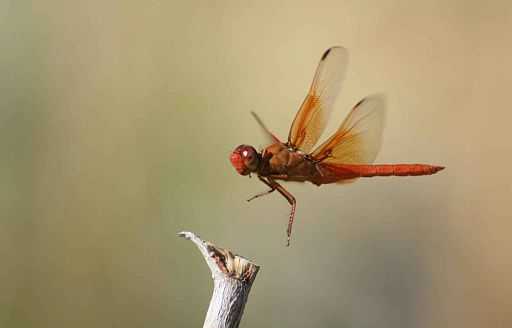
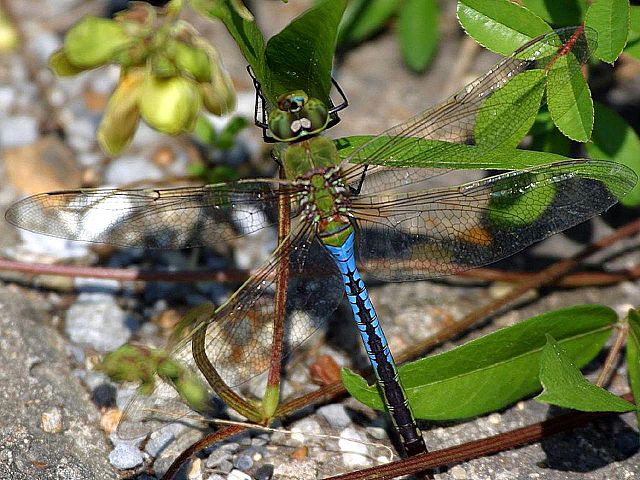
The crickets here who are making all the noise are tiny, like miniaturized versions. The dragonflies are delicate creatures, too, needle thin, brilliant green, orange-red, and sky blue, sometimes flying united, two fragile bodies connected in a mating dance. When I was in Maine, on a run through the green hilly countryside, I came across a farm with a clay pit where enormous colorful dragonflies hovered over the standing water, ten times larger than their southwestern Virginia cousins, like trucks compared to motorcycles. Flame_skimmer_insect_dragonflyBlue Dragonfliy

I’m not sure why insects are so large in less hospitable climates. New Mexico bugs will surprise people who think nothing can live in the desert. Think again. There are beetles and cockroaches out there that could carry a couple of fifty-cent pieces on their backs and not break a sweat (figuratively speaking).

If you’ve read The Outlaw Women, the short story prequel to the Mae Martin series, you know that Mae is not least bit squeamish about crawly critters. When it comes to this topic, more readers may identify with her friend Jamie, who enters the series in Shaman’s Blues. He’s appalled by spiders in particular and by things with too many legs in general. Personally, I like the many-leggeds, but with a few exceptions: roaches, flies, mosquitoes, biting ants and skunk beetles. I think I’ve mentioned before that bees and wasps sometimes walk on me when I do yoga outdoors, their delicate almost weightless feet on my skin. On close inspection, they’re quite beautiful. Some of them have bright yellow legs, a classy touch like the hubcaps that match the paint job on 1950s cars.

At a yoga and meditation retreat a number of years ago, Goswami Kriyananda came in a minute or two late to give his talk. He had stopped to help a fly that was trapped between a window and the screen. He opened the window, and then the screen, and closed the glass so the fly could go outdoors. He said it kept walking around and around on the screen in the same pattern it had before he offered it its freedom. With his warm and gentle humor, he said it reminded him of humans.

Recompressing

Half-way between New Mexico and Virginia, my tire pressure goes down. It happens every year. Nothing is wrong with the tires. It’s just that I go to mechanics in Santa Fe and they make sure the pressure is normal for that altitude, and then I descend to the lowlands.

When I unpack in Virginia, I always find that my shampoo bottle and other plastic containers have collapsed inward, folding in around the empty spaces inside them. When I run, I feel the heaviness of the air—the dampness as well as the low altitude. It’s hard work, like plowing through used teabags. Talk about coming down!

It’s time to recompress. I’ll readapt to the climate, to the busyness of the academic year, and to the green campus, so conventional and normal. I’m in the transitional phase, now though. I miss the colors and textures of the desert, the people in T or C, the eccentric personality of the town itself, the spaciousness of my life there and all the open space around it—so delightfully situated in the middle of nowhere. The challenge now is stay spacious inside when my surroundings aren’t, and as external demands become like the air, an unseen weight leaning on me. I did yoga on my back deck today, and two tiny bees sat peacefully on my shoulder through several poses. I was grateful to have this practice of active mindfulness. It left me feeling whole and bright. My outer life has to recompress, but my soul doesn’t.

New Release and Ninety-Nine Cent Sale

Some of my favorite places in New Mexico are featured in the latest Mae Martin Mystery: the Mescalero Apache reservation, where Mae finally meets her friend Bernadette Pena’s family and attends a ceremony and a powwow; and of course Truth or Consequences, my home and Mae’s. I enjoyed bringing a few of the local businesses and the work of one of T or C’s stellar artists into the plot—with their permission, of course. The cover image reminds me of Mescalero with its high mountains and its sky full of stars.

ghost sickness ebook

Ghost Sickness

The fifth Mae Martin Psychic Mystery

A visit to the Mescalero Apache reservation turns from vacation to turmoil for Mae Martin.

Reno Geronimo has more money than a starving artist should. He’s avoiding his fiancée and his family. His former mentor, nearing the end of her life, refuses to speak to him and no one knows what caused the rift. Distressed and frustrated, Reno’s fiancée asks Mae to use her psychic gift to find out what he’s hiding. Love and friendship are rocked by conflict as she gets closer and closer to the truth.

The Mae Martin Series

No murder, just mystery. Every life hides a secret, and love is the deepest mystery of all.

*****

If you haven’t started the series yet, now’s the time. You can buy the first book, The Calling, on sale for ninety-nine cents. Sale runs August 10 through 25 on major e-book retailers. Click here for buy links for all books in the series.


Ghost Towns of Sierra County: More Haunting than Haunted

Nothing lasts. Silver booms end, mining towns fade away, and buildings collapse unless cared for. Adobe slowly melts in the rare desert rains, returning to the materials from which it was made. A ghost town isn’t so much a place with ghosts as a ghost of its former self.

I took a trip through three of Sierra County’s ghost towns (there are many more) with a friend who is a found-object artist and a dealer in antiques and collectibles. Having his perspective on the sites added to the experience, because he knew what things were when we found odd objects lying around,.

Our first stop was in Cuchillo, at the partially-restored, partially-collapsed Old Cuchillo Bar. It shows the world a mangled face of original porch and windows—some broken—some of its original front and roof, new beams replacing portions of the fallen roof, and open space where the weather can get in. My view through the window was limited, but my much taller friend said it looked like the original bar was intact. This place was long reputed to be haunted, but in the book Mysterious New Mexico, paranormal investigator Benjamin Radford describes his night spent in the place and how he examined the physics and mechanics of a seemingly self-opening cabinet. No ghost was required to explain its movement. The bar is for sale, if anyone feels inspired to finish the restoration and try to revive the ghost. The town has a few inhabitants and a colorful history.

Winston looked the most modern and normal of the three towns, small but alive and well and not very ghostly, though it may have traces of the nineteenth century frontier further off the main road. We kept going to our primary destination, Chloride. (I plan to use it in a future book, the seventh in the series, although I’m only ten chapters into the sixth, and the fifth is about to come this month. I plan ahead.)

The winding roads on the way have glorious views of mountains and valleys—the empty desert that makes up most of Sierra County. Truth or Consequences, the home base from which we set out, is the county seat with a population around 6,500. In 1890, present-day ghost town Kingston boasted 7,000 souls, making it the biggest city in NM at the time. Chloride topped out at 3,000. Its current population? Eleven.

The museum is the general store that was abandoned with all its merchandise in place in 1923 and reopened in its new role with much of the same stuff in 1998. It also houses some of the amazing handiwork of self-taught furniture maker, Cassie Hobbs, a woman who grew up in a covered wagon and never went to school. She didn’t just hammer crates into a chair. She carved and upholstered as if she had the right tools and training. And she was still alive when Chloride was rediscovered. A few surviving old-timers like her were a treasure trove for the family that bought the old buildings and decided to save the remains of Chloride for the future. We heard only one ghost story at the museum, about a headless figure that used to chase people at night. (Most people who saw it were leaving the saloon.)

Santo Nino Cemetery is hidden high on hill above the town, up a road so winding and rough I had the good sense not to make my little Fiesta climb it. Legs could handle it better. It has simple burials from the old days and more elaborate ones from recent times, but not many of each. The old graves are marked by patches of rocks and pebbles covered with weeds. The headstones are clearly not the work of a professional, thin slabs of natural stone scratched with rough writing. Many of the newer ones are decorated: with toys and angels honoring a child’s short life, or a rider on horseback made from horseshoes swinging a lariat, memorializing an old cowboy’s long life.

The earth along the side of the road to the cemetery, where the hill had been cut to build the road, was layered with roots and rocks. On our way back through Cuchillo, we stopped to explore some desolate, crumbling houses. When I saw the old adobe bricks melting away with little dried teardrops of rain streaks in them, they looked very much the same as that slice of raw earth—small, beautiful stones of red and pink and green embedded with bits of straw in the dirt.

The abandoned houses had stories to tell, but there was no one to explain the artifacts the way there had been at the museum in Chloride, so we had to do some amateur archaeology. One ruin had nineteenth century adobe bricks and a shredded pinkish gray fake leather easy chair sitting in an otherwise empty room where one wall had fallen away. A burned-out building with structural elements that suggested it dated back to the mining boom days had apparently spent part of the 20th century as a bar or restaurant, judging from the broken china, and the huge cache of scorched Pepsi cans and rusted soup or bean cans in one half of the building. The other half was full of rusted car parts– a lot of mufflers and carburetors. Too many for a family’s cars, and inside the house. I kept picturing a combination bar and garage. Amusing, but unlikely.

We climbed up to flat area that looked as though it might have once been a campground or a trailer park, with nothing left but metal clothesline poles and a street sign that read Wyoming. I could sense Cuchillo ghosting away, hollowing out with time, changing but not dying.