Just go!

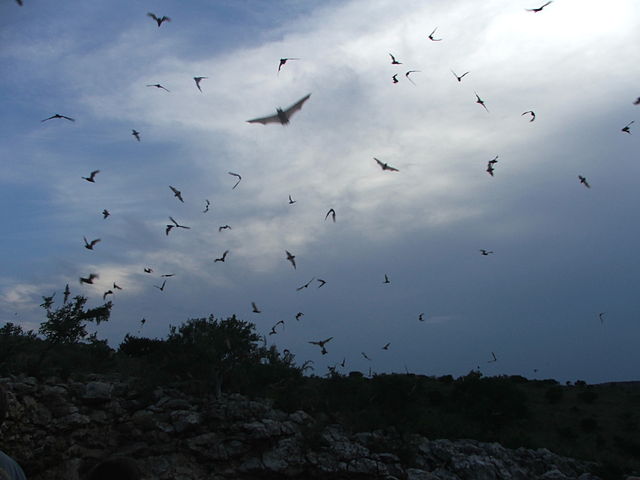
There’s a difference between the desire to do something and the inner voice that urges me to act. If you’ve had this experience, maybe you know what I mean. Today, I wanted to go to yoga in Albuquerque, really wanted to take that class, but I knew I was too tired and shouldn’t drive. That was a pro and con discussion within my rational mind. No mysterious inner voice telling me to do one thing or the other. I didn’t sleep well because I suspect I’ve been overtraining—yes, while in book prison, I was also reviewing a textbook on plyometric training and of course experimenting with the exercises on top of my usual running, yoga and strength training—so with those odd aches and poor sleep that said “overtraining, back off,” I had no intention of taking a walk tonight. I’d already done a gentle yoga practice, walked a few errands, been to the pool … but it was sunset and the bats would be out. I love the bats. They make me insanely happy for no reason, just pure blank bat-joy when they fly past me and around me. The urge was powerful, as if some other force was tying the laces of my walking shoes. Go, just go.

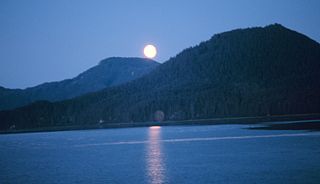
Bats danced erratically in and out of alleys and across the faded blue and orange of the evening sky. It was a little late to see them dipping along the Rio Grande, drinking from the river in flight, but they flittered in the wind above the water and I felt rewarded for my walk. Then a crest along the ridge of Turtleback Mountain, a few notches below the Turtle itself, began to glow from behind. The moon. The light brightened, and then a slice of the full moon appeared, so intense it looked bright green around the edge and orange in the middle where the buffalo is kicking. (Can you see this instead of a man-in-the moon face—a buffalo kicking the moon?) Alone in the park except for the bats and some jumping, plopping fish, I watched the turning of the earth and its night partner. Then a car pulled in. I didn’t move from the prime spot with the view until the moon was fully revealed. And the people in the car actually waited, as if they knew they would ruin a moment by driving up to the water’s edge. When the moon and I were done, I left the park and the car pulled up the river and people and dogs got out.

The timing was perfect. When the voice says go, just go.


Rain Salutations

I know I can’t make the sky rain. It’s like trying to make someone love you. When the right conditions have arrived, the change comes. Sometimes, however, I think it fails to rain when the world is out of balance, and that it takes dancing and meditation, yoga done as rain salutations, people showing compassion and affection and listening to each other with their hearts, to invite rain. Love and care for the earth will call rain. Earlier today, it rained in the alley behind my apartment for one minute. I went for a short walk at sunset, and a massive blue-black cloud was flashing lightning out toward Elephant Butte, revealing the rain as a sheer curtain in each orange flare. I did a little dance, spinning and then running backwards, asking the storm to follow me home. It did, but I don’t take credit.

When I was running in the desert around noon today, I encountered a mule deer. They often look you in the eye before they run. If they even run. We circled a juniper, checking each other out, making eye contact through the branches, then she turned her back to me, did two full springs straight up in the air with a graceful tuck of all four legs, and trotted off. If anything had the power to call the storm, she did. The deer did the rain dance.

*****

Unrelated, but perhaps of interest: The Calling, book one in the Mae Martin series, is on sale for 99 cents on all e-book retail sites through July 21st. If you’ve enjoyed my books, tell a friend. Thanks.

Grateful for Beauty

The world we see through headlines seems to be falling apart, filled with violence and dysfunction, and ordinary life can be full of petty hassles. I need to get out in the natural world where life is more in balance than in the man-made one, and do it daily. Before the temperature goes over a hundred and after it goes down.

 The same conditions that make June in New Mexico so challenging during the day—no humidity, no clouds, hot winds clearing the sky—make it spectacular after dark. Even just standing in an alley, a short way from the streetlights, I can look up and see not only the bigger, closer stars, but the background billions and billions sparkling like a beach of diamond sand behind them.

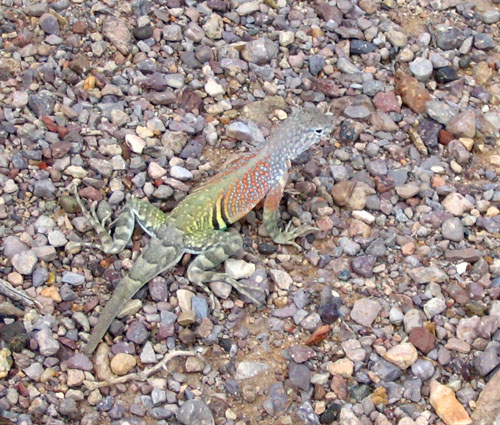
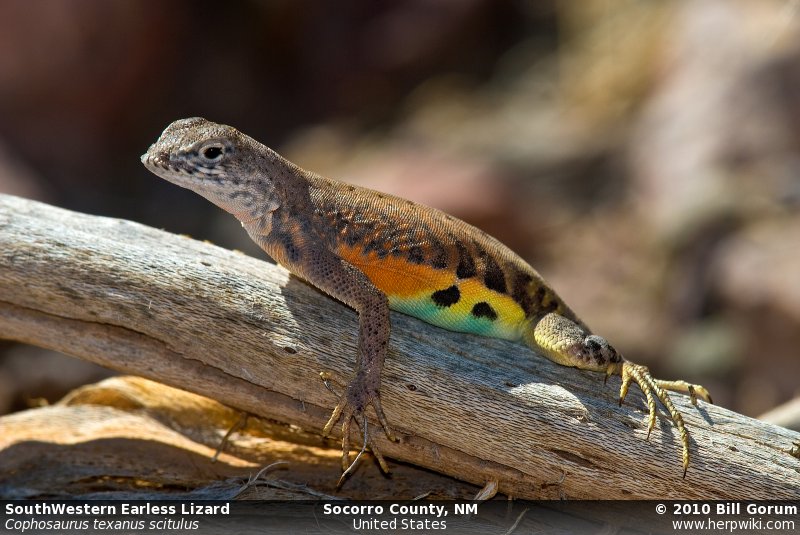
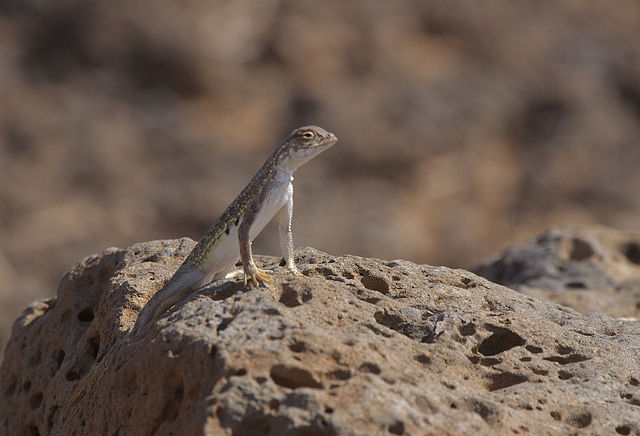
 Heat and all, I still run, heading out while the temperature is only in the nineties. As I was about to start a run a few days ago, I encountered a grasshopper longer than my index finger. Yes, it held still and let me measure. Its head was marbled, its body striped and speckled, and it had golden antennae that looked like strands of broom straw. Beautiful, in its own buggy way. Along the trail, pearlescent gray lizards with radiant orange bands on their sides perched on rocks then ran away. Another species displayed glowing blue-green hind legs that appeared lit from within. I think it’s some kind of collared lizard or perhaps a type of earless lizard, but I couldn’t find one quite like it when I searched on web sites. Whatever it’s called, it’s a miracle. So is having vision to see to it and a mind to appreciate it. For all of this, I am grateful.


*****

Southwestern earless lizard photo courtesy of the New Mexico Herpetological Society.

Overfill Alarm

overfill

Taking my freshman seminar students for a mindful walking meditation excursion, I noticed things I’d never seen before. Most striking was a college van parked near the softball field, overgrown with vines. How fast did they take it over? Had the van been forgotten?

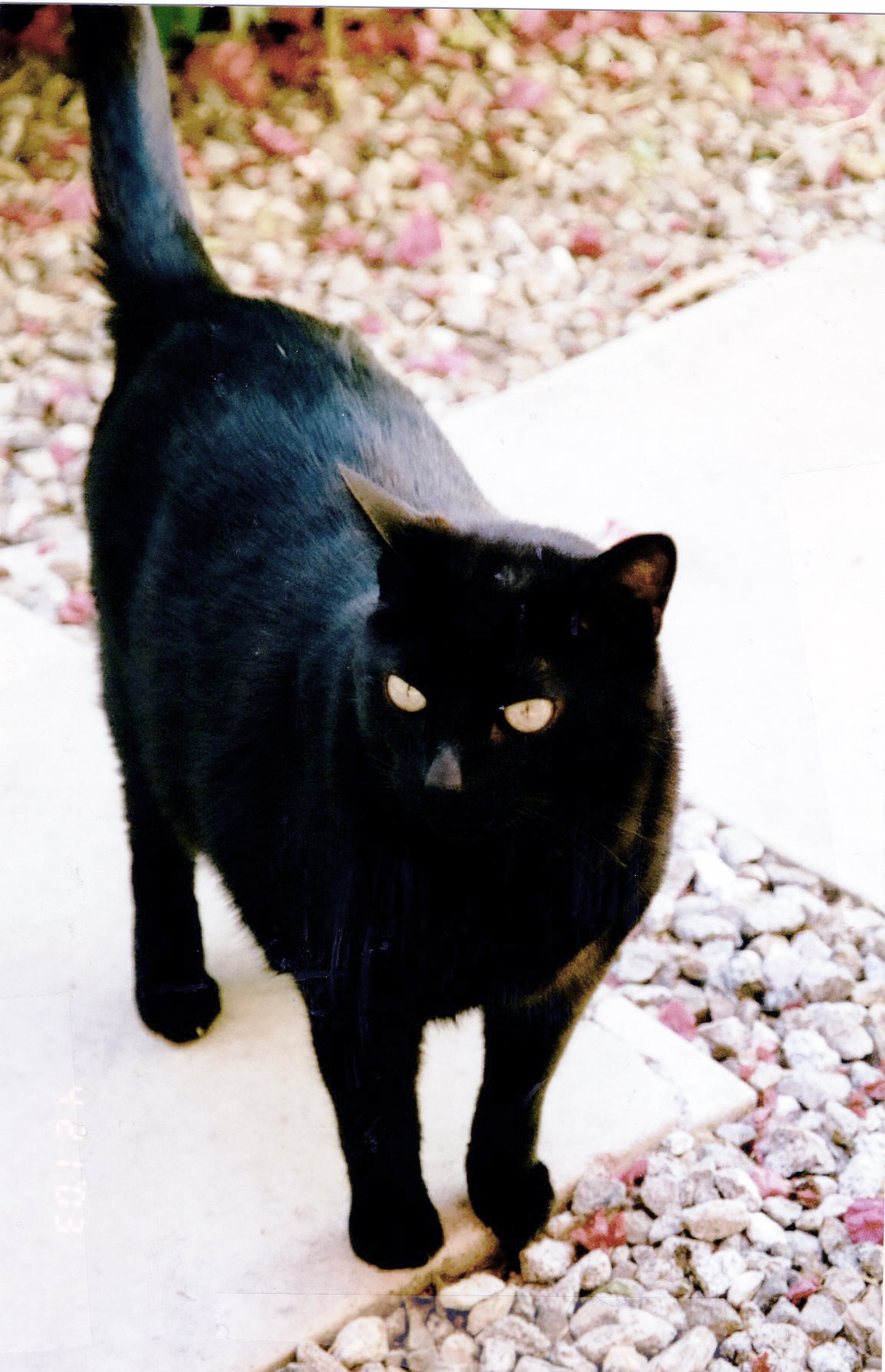
As always on such walks, I noticed the sounds: wind in leaves, the nearby river rolling softly over rocks, birds and crickets singing, and our footsteps. When we reached the park I was aiming for, one of my students found a friendly black cat and held him up. Part of the mindful condition is that we don’t talk or use phones for forty minutes. Her smile communicated all that was needed, and several of us gathered around her to pet the cat. Mindfully. Feeling the catness of the cat.felix

I watched carp in a lily pond, ducks on the river, and then crossed under a bridge to another part of the park. There, I saw a flock of birds reflected in gray water that was busy with a swarm of water-walking bugs, a moment of earth-sky-water symmetry that put my mind on pause. Pure perception uncluttered by the noise of thought.babyducks

A thin old tuxedo cat with a red collar trailed several students into a gazebo. He seemed to want human company, but unlike the black cat, he found no one to pay attention to him. When I went to pet him, the girls sitting in the gazebo were on their phones. Surrounded by nature’s beauty, free to enjoy silence, with a cat who wanted affection sitting at their feet, they were sucked into tiny screens.

On our return to campus, I stopped in front of another thing I’d never noticed before: a big yellow sign on the maintenance building that says OVERFILL ALARM. The class gathered in silence and looked at it. It was finally time to talk.

Does your brain have an overfill alarm? Do you override it and keep putting more in? What are the signs that it’s about to go off?

*****

Picture of black cat, Felix, courtesy of his owner, mystery author Sally Carpenter.

Music, Beauty, Wisdom, Bugs

Cricket_Drawing

On my last night in New Mexico for the summer, I listened to crickets as I left a Bandstand concert in Santa Fe. All of them kept the exact same beat throughout my fifteen minute walk to where I had parked my car, not single cricket out of sync with the rest. The bug music of the South is different. In Virginia at this time of year, cicadas ratchet away all day, and at night a polyphonic, polyrhythmic chorus begins. I meditate by going out on my deck, closing my eyes and deciding not to miss a note. It’s amazing how they produce this symphony by rubbing legs, or vibrating wings, or with specialized parts of their exoskeletons. Their bodies are musical instruments. (Did you know that Kokopelli, the flute player, was a bug? He’s identified with the musical cicadas but also with the stinging Robber Assassin Fly.)

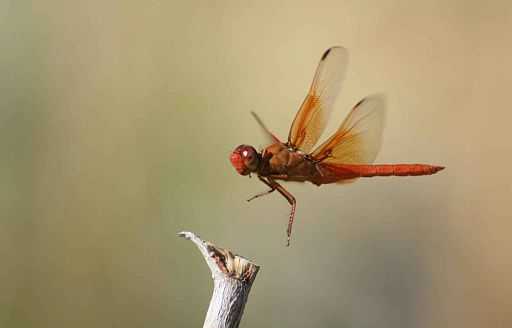
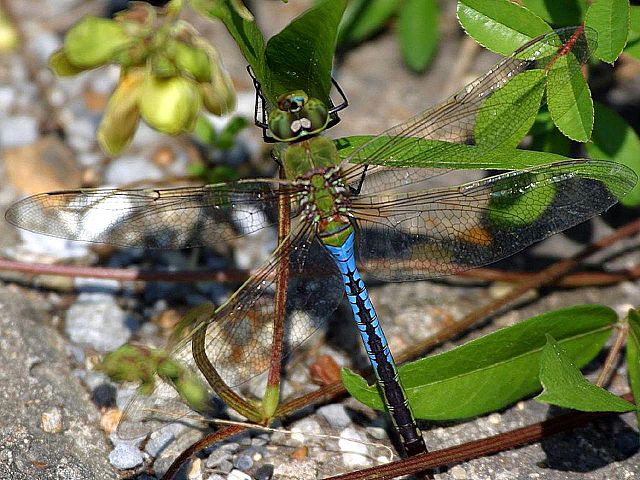
The crickets here who are making all the noise are tiny, like miniaturized versions. The dragonflies are delicate creatures, too, needle thin, brilliant green, orange-red, and sky blue, sometimes flying united, two fragile bodies connected in a mating dance. When I was in Maine, on a run through the green hilly countryside, I came across a farm with a clay pit where enormous colorful dragonflies hovered over the standing water, ten times larger than their southwestern Virginia cousins, like trucks compared to motorcycles. Flame_skimmer_insect_dragonflyBlue Dragonfliy

I’m not sure why insects are so large in less hospitable climates. New Mexico bugs will surprise people who think nothing can live in the desert. Think again. There are beetles and cockroaches out there that could carry a couple of fifty-cent pieces on their backs and not break a sweat (figuratively speaking).

If you’ve read The Outlaw Women, the short story prequel to the Mae Martin series, you know that Mae is not least bit squeamish about crawly critters. When it comes to this topic, more readers may identify with her friend Jamie, who enters the series in Shaman’s Blues. He’s appalled by spiders in particular and by things with too many legs in general. Personally, I like the many-leggeds, but with a few exceptions: roaches, flies, mosquitoes, biting ants and skunk beetles. I think I’ve mentioned before that bees and wasps sometimes walk on me when I do yoga outdoors, their delicate almost weightless feet on my skin. On close inspection, they’re quite beautiful. Some of them have bright yellow legs, a classy touch like the hubcaps that match the paint job on 1950s cars.

At a yoga and meditation retreat a number of years ago, Goswami Kriyananda came in a minute or two late to give his talk. He had stopped to help a fly that was trapped between a window and the screen. He opened the window, and then the screen, and closed the glass so the fly could go outdoors. He said it kept walking around and around on the screen in the same pattern it had before he offered it its freedom. With his warm and gentle humor, he said it reminded him of humans.

Bat Medicine

640px-Free-tailed_bats

On a recent evening, I walked to the wetland at the edge of the Rio Grande for the bat-rise at sunset, the silent dance of dark forms against the golden sky, and remembered that I’d written about it a few years ago. I let the bats swoop around me and silence my mind into clarity for a while, and then came back and found that old post. The bats are still sacred and healing to me, so here it is again.

*****

I began re-reading Linda Hogan’s book of essays Dwellings and Michael Harner’s The Way of the Shaman at the same time. This pairing of readings couldn’t be more dissimilar in style, content and purpose. I finished the latter book quickly, but took my time with the first. It’s too beautiful to hurry through.

Poet and novelist Hogan, a member of the Chickasaw tribe, writes of the spirituality inherent in the natural world. Her insights into the relationships between living creatures and our own souls is anchored in places and in specific experiences—going to hot springs in a cave, or working at a bird sanctuary. She doesn’t write about animals or the earth in general, but this piece of earth, this particular sunflower, this colony of mud-building bees. When she cites other writers, often scientists, she finds passages so beautiful they flow into her own essays like the breath of the same breeze. Her topics range from wolves, to the Amazon rainforest, to the life cycle of water and rock, to the deeper meaning of ape language experiments, and more.

These essays wake the reader up to the aliveness of every moment, as the author hears the song of corn, or discovers the liquid, graceful, wing-wrapped mating of two bats she rescued from their fall back into hibernation in a sudden spring chill. “I put them in a warm corner outside, nestled safe in dry leaves and straw. I looked at them several times a day. Their fur, in the springtime, was misted with dewy rain. They mated for three days in the moldering leaves and fertile earth, moving together … then apart, like reflections on a mirror, a four-chambered black heart beating inside the closed tissue of wings.”

In addition to this subtle observation of their beauty, she sees the bats from a Native spiritual perspective. “The bat people are said to live in the first circle of holiness. Thus, they are intermediaries between our world and the next. Hearing the chants of all life around them, they are listeners who pass on the language and songs of many things to human beings who need wisdom, healing and guidance in our lives, we who forget where we stand in the world.”

This forgetting where we stand is Hogan’s theme. We need to heal ourselves back into what she refers to in her novel Power as “the real human beings”. If you love language, you will love this book, and you may come away from it loving every living creature, every crack in a rock, every sound when the wind blows, as if you had never seen and heard and known them before. I hope you will, like I did, love this book so much you want to read it again and again.

Harner’s book is almost the opposite of Hogan’s. An anthropologist turned shamanic trainer, he does his best to distill the essence of shamanism into a kind of how-to book for modern people. After an introductory chapter in which he tells of his studies with the Jivaro tribe, he intentionally presents shamanism divested of culture, land, language and tradition. Even the animals are not real creatures that walk the earth and breathe and live their lives, but animal spirits, guardians and guides for humans, and plants are also their spirit essence, for use in healing humans.

His citations are dense and thickly strewn, sometimes without any background on the culture or lives of people he is citing. That, however, is his point. This is shamanism as modern medicine, a world-wide range of healing traditions pared down to their “active ingredients.” Shamans from Australia to North America use quartz crystals, drums, rattles and dances. Shamans all over the world take journeys to find knowledge, and have power relationships with animal spirits. He turns these elements into a kind of recipe for being a shaman. Maybe it works for some people, but for me the best parts of this book are the direct quotations from real shamans such as the “sucking doctor” Essie Parrish, rather than the parts about modern Americans “dancing their animals.”

Compared to my experience of traditional ceremonies, or even to running outdoors, or dreaming, neo-shamanism feels incomplete, but then I wasn’t reading with the intention of putting it into practice. I had read the book before and gone to a workshop with Harner at an alternative therapies conference years ago, and already knew I wasn’t going to use this for spiritual guidance. It was research for a novel, Soul Loss, in which one character is a teacher of neo-shamanism—not based on Harner himself, only on the kind of practice that he teaches—and I needed to refresh my recollections.

I dreamed once that I turned into a bat. In this form I flew though the dome of an art gallery and then descended to the bottom floor as the blue outline of bat, a bat made of twilight sky. In Truth or Consequences, I like to walk down to the Rio Grande at that low blue time of evening in the summer and let the bats surround me at the edge of the little wetland where redwing blackbirds sing by day. While the bats dance for bugs, I can stand in the midst of them, and they swoop close without ever touching me, perfectly aware in their busy flight, flawless pilots of their world of sound. To me the animals themselves feel more sacred than a journey to find my “power animal.” This bat immersion is the bat medicine I need.

Monsoon, Moon and Mandala

Luna023

Finally. A real monsoon.

The sky had to work up to it. After a couple of weeks with temperatures in the upper nineties and low hundreds, it took a few days of clouds and passing sprinkles to cool things off enough that rain could survive its trip to the ground without evaporating in mid-air in those beautiful but maddening long gray brushstrokes. This is a tough place to be a water droplet, but at last they came together in a grand, full-sized storm. And then the power went out. I tried not to think about how long it would be off or what would happen to the week’s groceries I had just put away. I stumbled and groped my way outside and sat under the overhanging roof to watch the rain, feel the cool (probably eighty-something) night air, and enjoy the view of T or C without lights. Occasional passing cars lit the streets, but the only steady glow was from the full moon behind the storm and one tiny cloud-hole with a star in it. My neighbors a few doors down were already sitting outside, their voices softer than the rain.

Having had little time for writing all day, I brought paper and pen out with me to do the mandala for the book in progress. I could see well enough by the clouded moonlight, and it didn’t have to be a work of art. This process was due, like the rain. I had to work up to it with eight chapters first, to see who was going to be in this book and get a sense of where the conflicts and connections would be. Able to see well enough to draw, I made a circle with the names of my protagonist and her significant other in the center and all the other characters’ names around them, connected in complex patterns that swirled around the outside and wove through the inside of the circle. It was satisfying, and will remind me of relationships and loose ends and potential allies as well as enemies. This is as close as I get to an outline, and I will refer back to it often. I got the mandala idea from Writing as a Sacred Path by Jill Jepson, which I found in Santa Fe’s magical Ark Books several years ago. Every book I’ve written has had a mandala.

I finished it and the moon emerged. The rain was over and big puddles reflected the moon back at herself from the streets and alleys. Then the power returned. My neighbors and I stood at the same time, and as if we were driven to light like moths we went inside to the electric glare, leaving the moon behind.


Picture: Luna023 by Cezar Suceveanu

Petrichor—An Ode to New Mexico Rain

Dominguez-Escalante_NCA_(8930993249)

The smell of rain in the desert is so special it has a name: petrichor. As moisture touches rocks and soil that have been hot and dry, they release a scent of minerals and plant oils and something else I can’t place. It’s the smell of life, I think.

When I crossed the state line from Texas into New Mexico last week it was pouring, with lightning so intense it flashed pale purple. At the same time, the last faint light of evening shifted through rain on the horizon like a pale gray aurora borealis. I parked at the rest area at Glen Rio and got out and danced in a backward spin, softly singing Michael Hearn’s lovely sweet song “New Mexico Rain,” not caring or noticing if anyone saw or heard me. It was that good to be back and to have my homecoming blessed with a storm.

Today we had a long, gentle rain, the kind the Navajos call female rain. I went running in it, on a favorite trail at Elephant Butte Lake State Park. Quails peeped, crickets chirped, and there were no other sounds but the rain, my steps and my breath. The sand was firm under my feet, the lake glowed silver-blue, and low puffs of clouds floated across the flat cone-top of an extinct volcano, making it look as if it had come back to life. The subtle greens of plants whose names I don’t know—feathery and blue-tinged, needle-like and yellow-green—glowed in the diffuse light. Wet lava rocks shone black or red as their pores soaked up the water. At each curve in the trail, the rain scent varied, mingling with juniper at times, stronger when the rain increased, fainter when it faded. Normally, I work on plot problems, writing scenes in my head as I run, but today my mind was quiet, my attention captured by sounds, textures colors and petrichor.

There’s not one special memory linked to this scent, just a sense of place. Of the earth itself within the borders that delineate New Mexico, a place where the Pueblo people are dancing for the rain. When that rain touches me, I feel as though something is released in me as well from the rocks. My heart knows who I am.Siler_pincushion_cactus_(6002291928)

Leaves in Mud, Leaves in Sky

trees

Standing on a riverbank, I found myself absorbed in watching the motion of a low-growing tree branch that had been snagged by the current. Dead leaves in water, moving yet going nowhere drifting back and forth in the mud. The swaying was hypnotic. I broke the trance and looked up at the rest of the tree, vital and full of color in a bright blue sky. There was so much more.

It made me think of how much may lie beyond our ordinary perception, how much of reality we may miss. Not only the beauties we fail to notice, or the colors that bees can see and the sounds that dogs can hear, but the worlds that dreams walk through, the shamanic realms.

The Sacred Lands

New Mexico’s Native peoples have sacred places on their land. The idea that the earth itself is a holy thing may resonate with people of all cultures—especially once they’ve experienced the spaciousness and silence of the desert. I often blog about the joys and beauties of the Land of Enchantment, but of course there are conflicts and challenges here as well. The hardest choices are not those between good and evil but between two goods. Between short-term benefits and long-term preservation. Between much-needed money today and clean water and untainted land in the future.

The following article from the Santa Fe Reporter describes the effect of fracking for oil and gas in Navajo communities—places that some of you may know personally and that others may know through Tony and Anne Hillerman’s books. I usually write about things that that move toward the positive—whether through the enjoyment of an experience or a good book or through the practice of mindfulness—so this topic may seem like a detour, but I don’t see it that way. Sometimes, moving through conflict constructively is the only way forward. I felt admiration for Daniel Tso when I read this story and wanted to share it. It takes courage to speak up and bear witness.

http://www.sfreporter.com/santafe/article-10976-fractured-communites.html